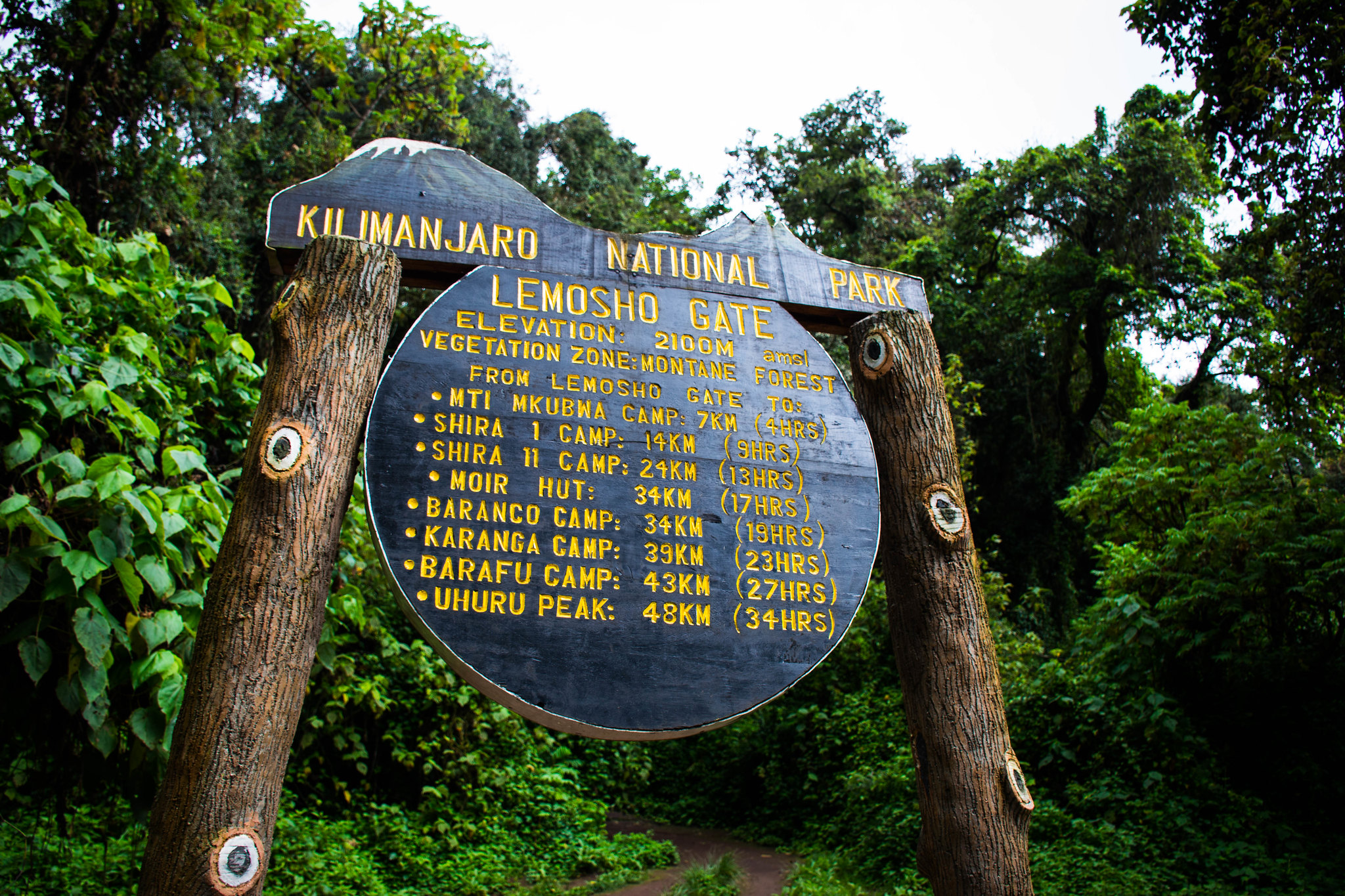
Mount Kilimanjaro is not only Africa’s highest mountain—it is also one of the most unique trekking destinations in the world. As you climb from the base to the summit at 5,895 meters (19,341 ft), you pass through five distinct climate zones, each with its own landscape, weather, and ecosystem.
This incredible journey is like walking from the equator to the Arctic in just a few days.
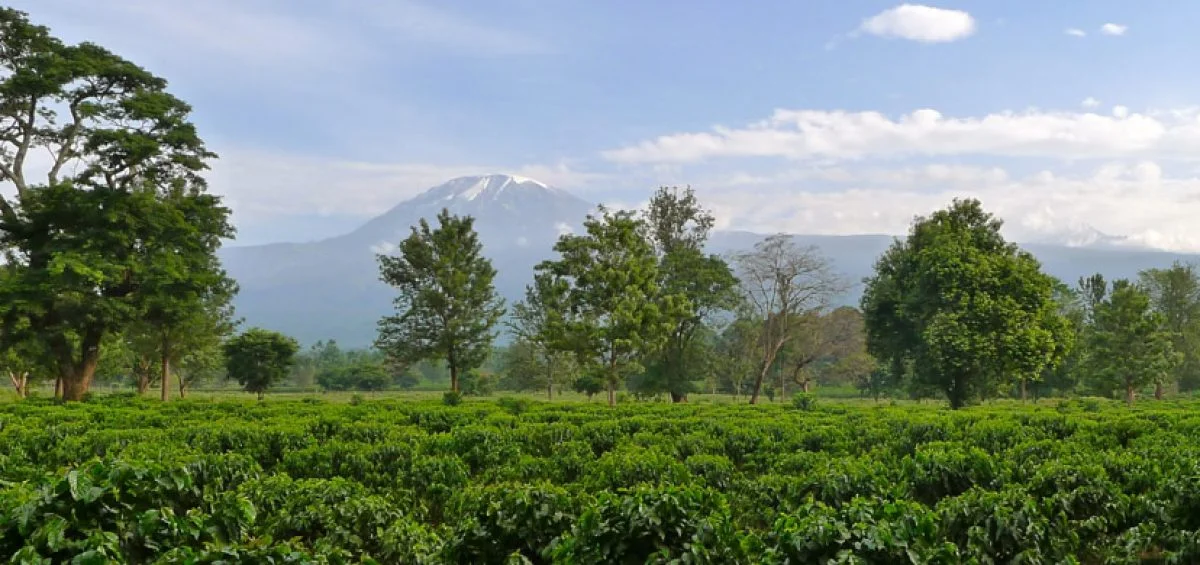
The journey begins on the lower slopes of Kilimanjaro, where the land is rich, green, and full of life. This area is home to local communities, especially the Chagga people, who have farmed this fertile land for generations. You will see: Banana and coffee farms Small villages and local life Rich soils and agricultural activity Wildlife is limited, but you may spot small animals like bush babies and various bird species.
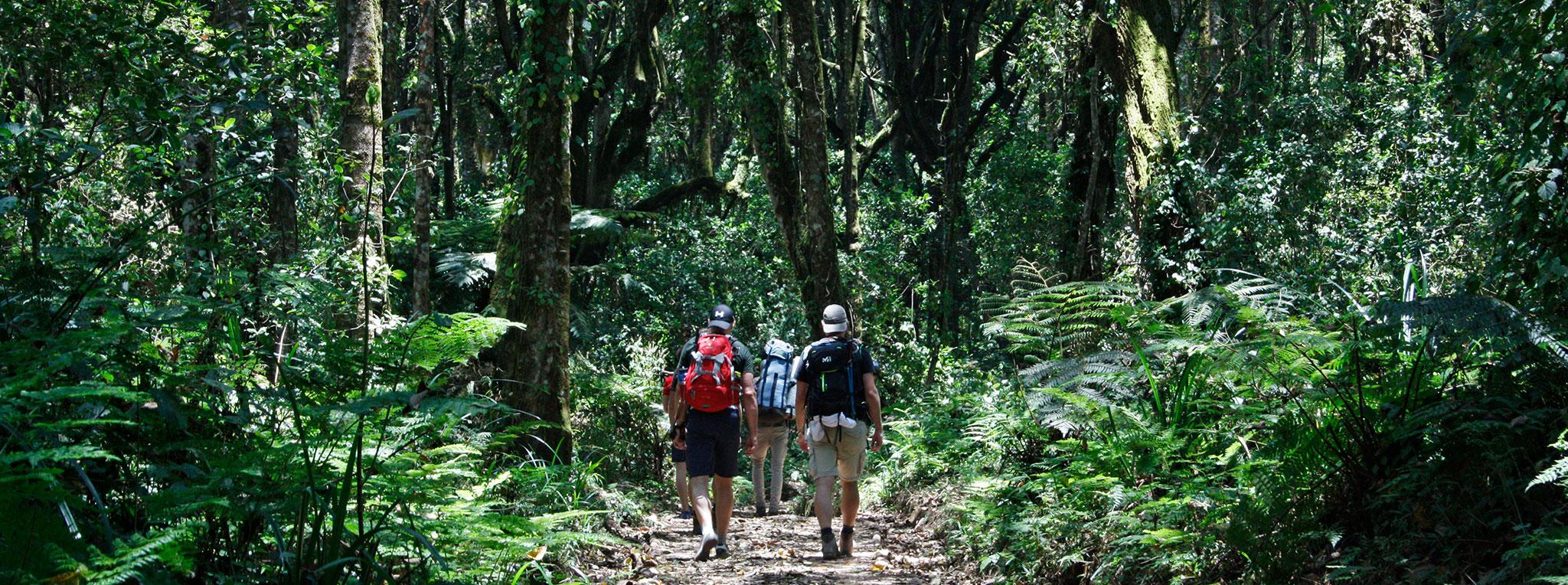
As you continue climbing, you enter a dense and humid rainforest. This zone is full of thick vegetation and is one of the most beautiful parts of the mountain. You can expect: Tall trees, ferns, and moss-covered paths High humidity and occasional rain Rich biodiversity Wildlife may include: Colobus and blue monkeys Baboons Forest birds and, occasionally, larger animals like buffalo This zone is vibrant and full of life, although animals can be difficult to spot due to thick vegetation.
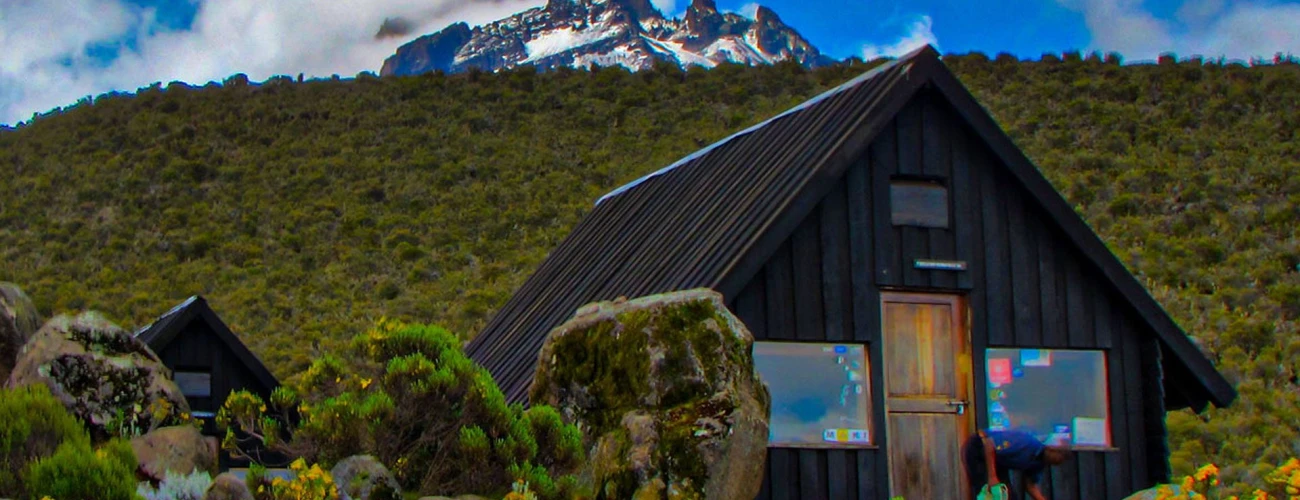
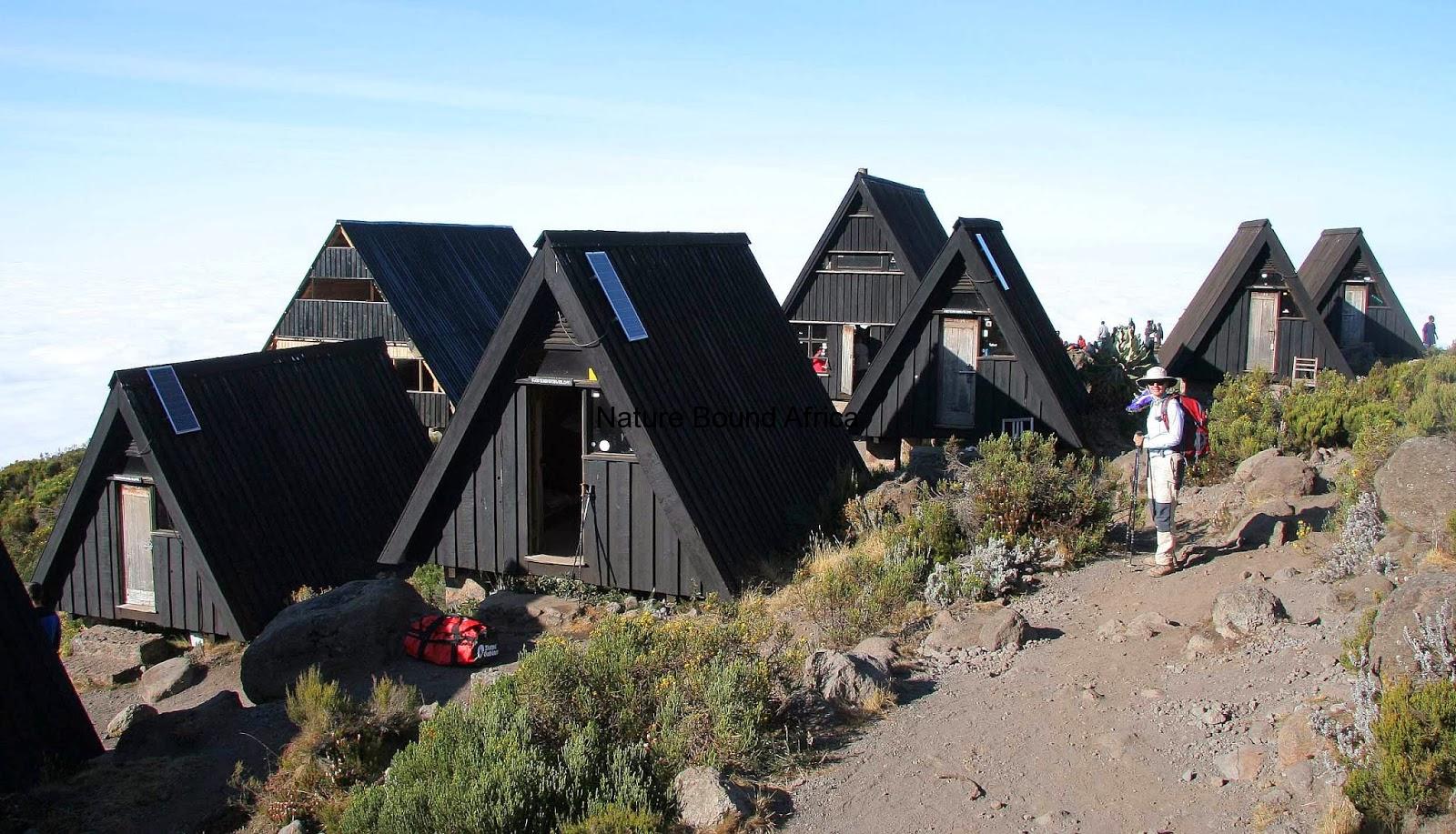
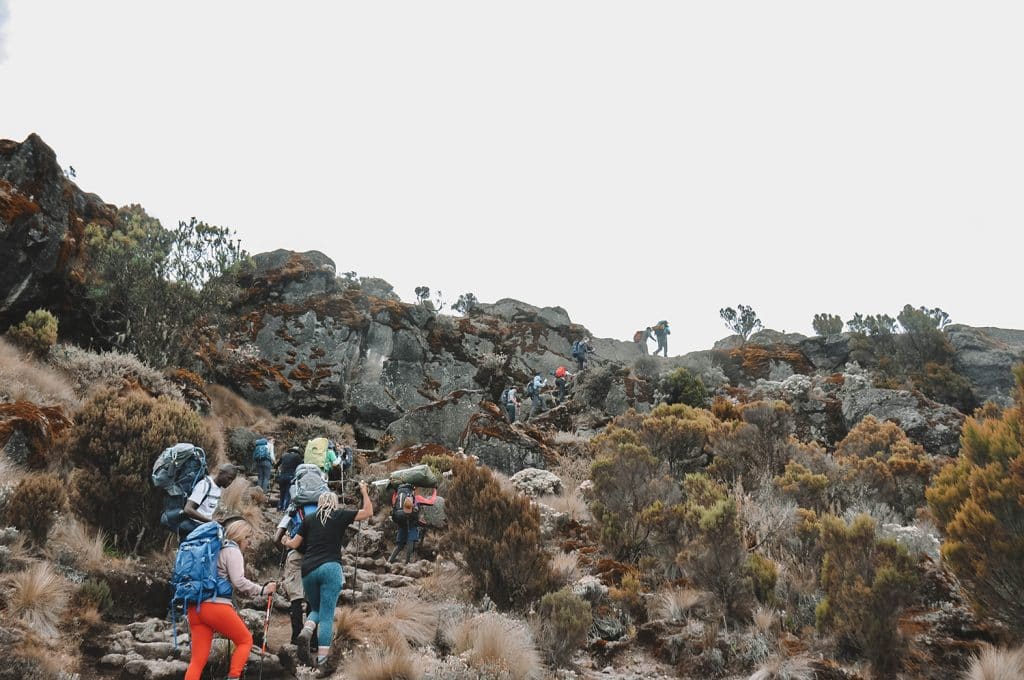
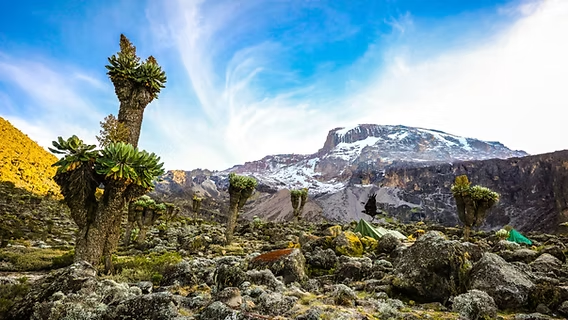
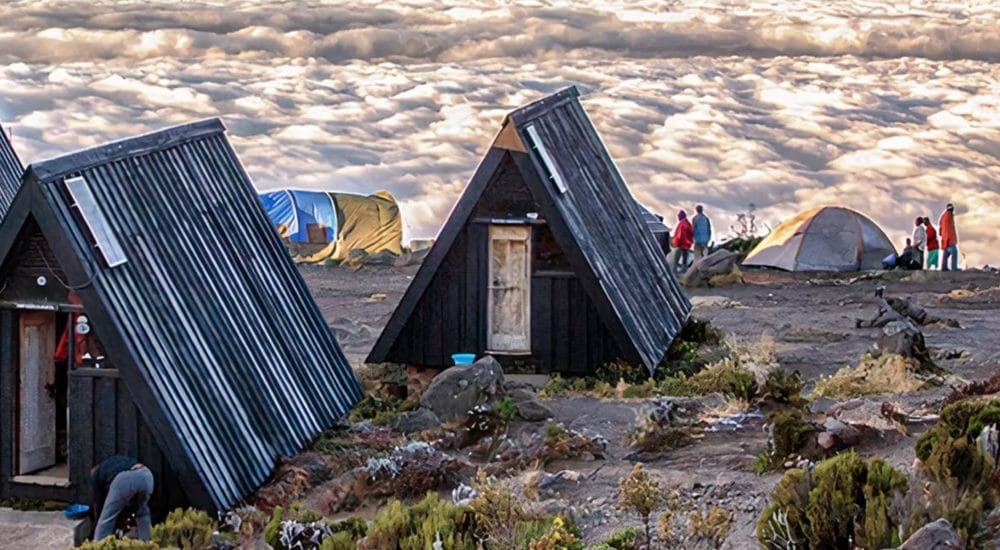
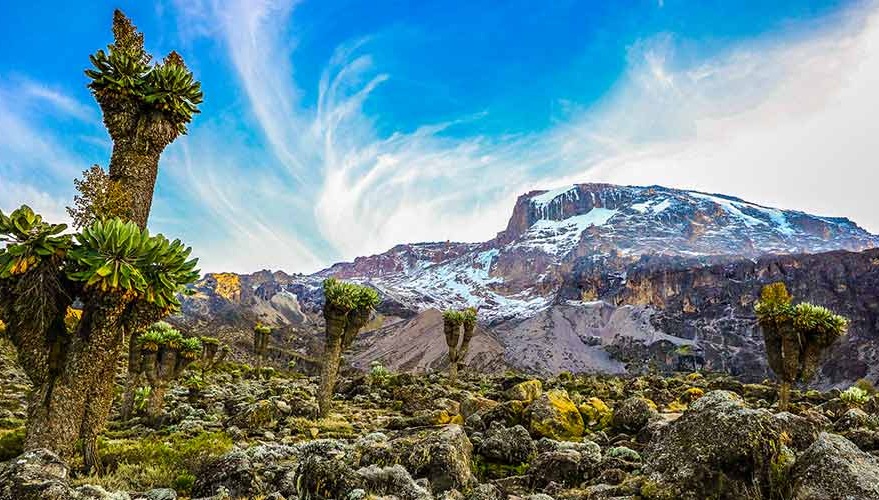
Leaving the rainforest behind, the landscape opens up into a cooler and drier environment. Vegetation becomes less dense, and the scenery starts to change dramatically. Highlights include: Giant heather and tall grasses Unique plants like giant lobelias and groundsels Wide open views of the mountain Temperatures vary greatly here—warm during the day and cold at night. This is also where some climbers begin to feel the effects of altitude, making proper acclimatization very important.
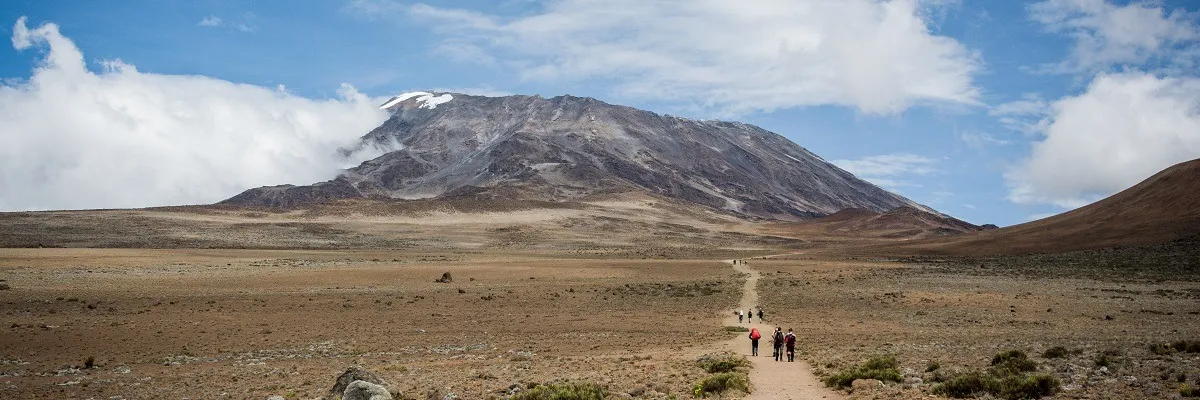
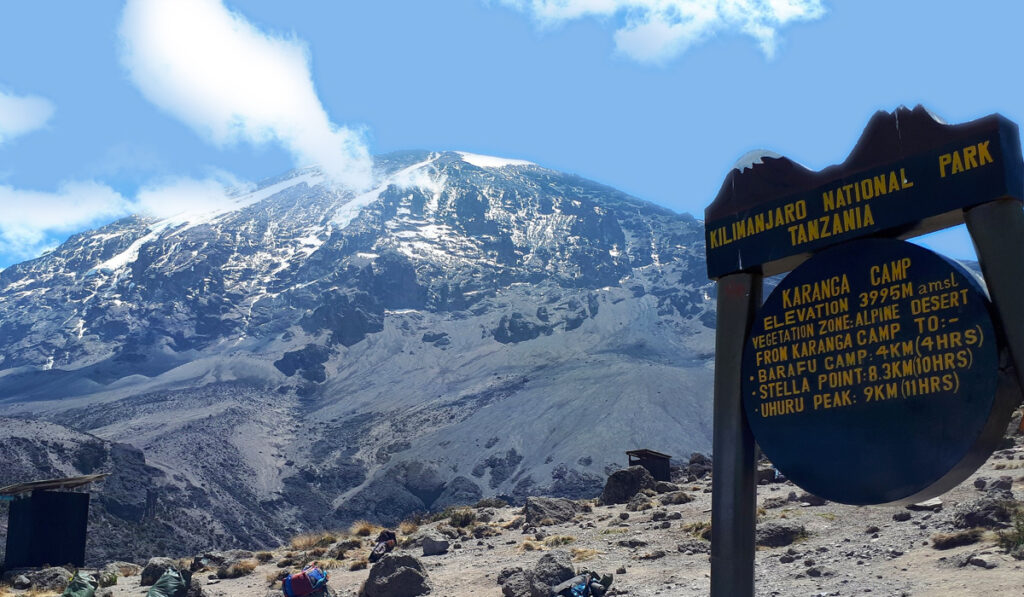
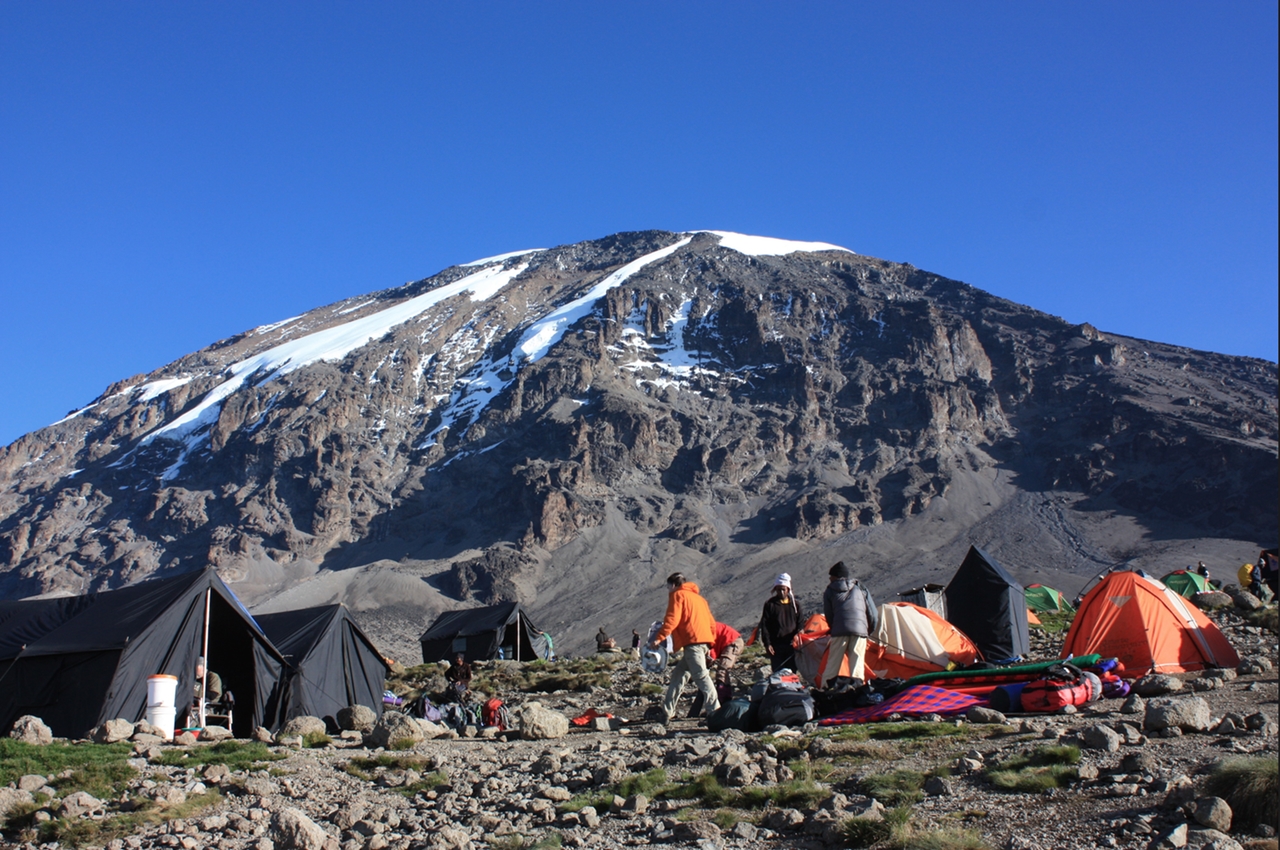
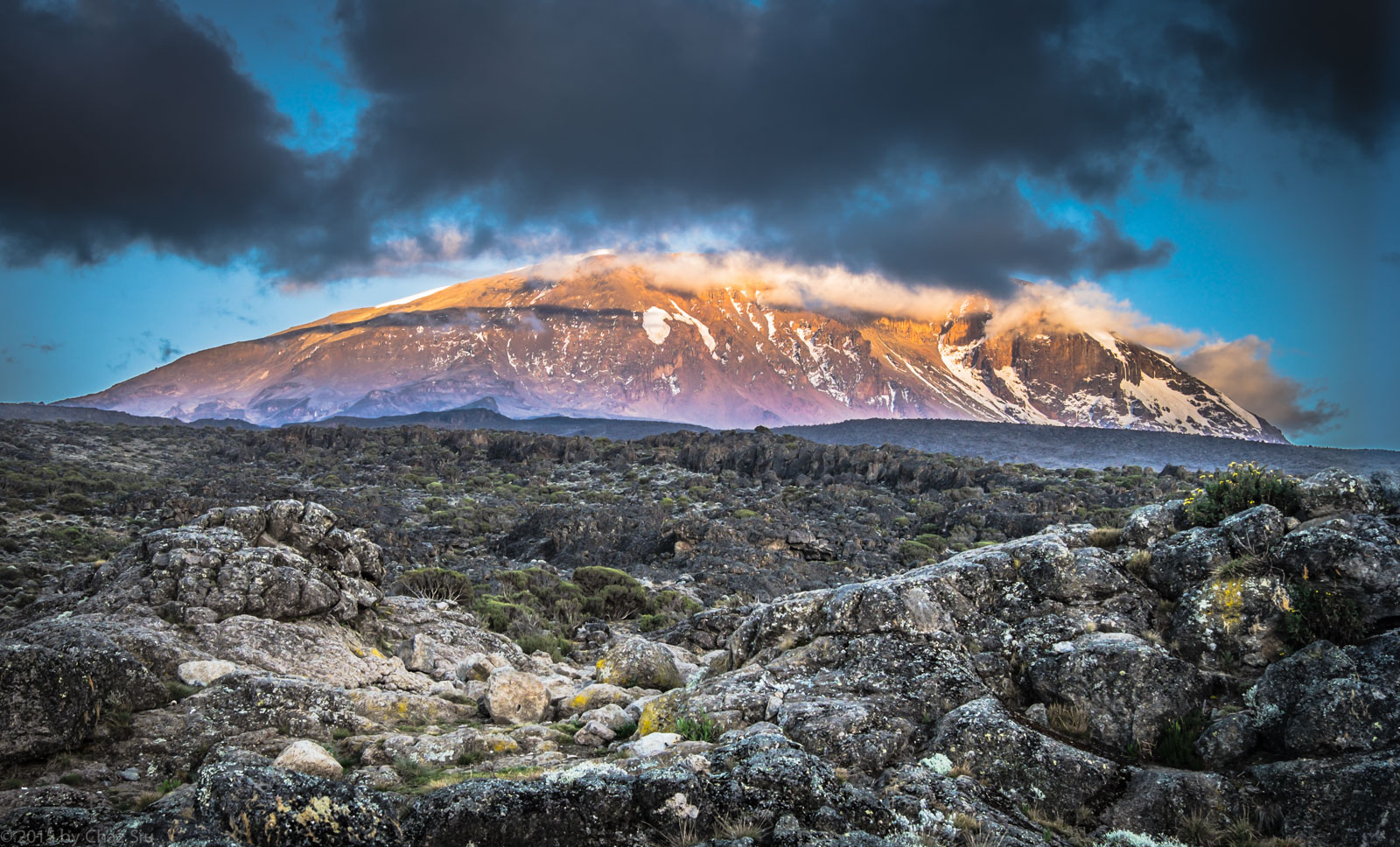
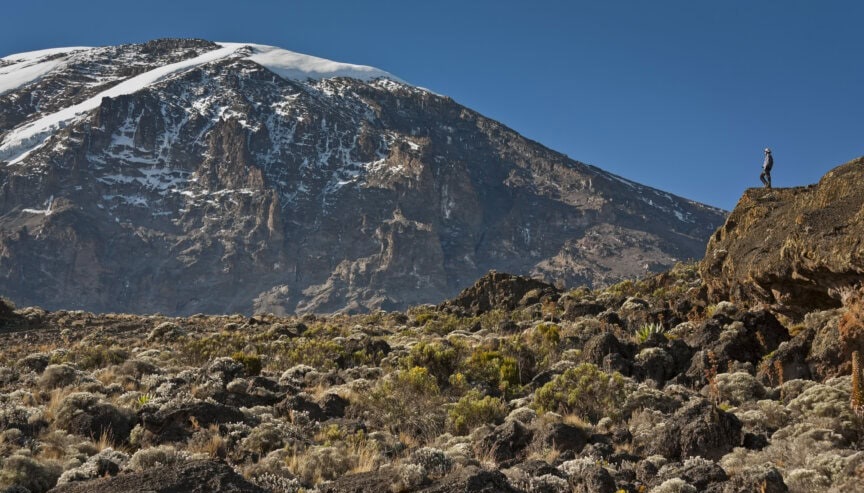
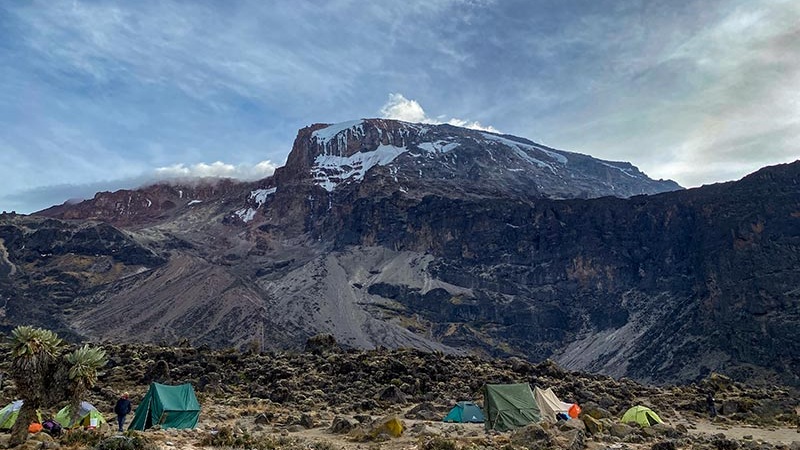
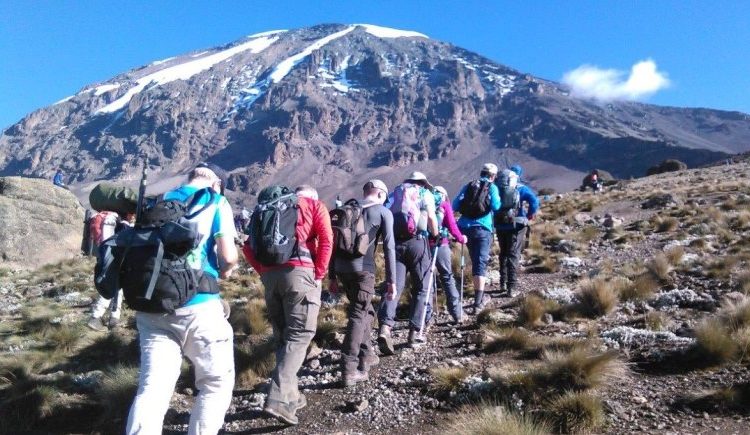
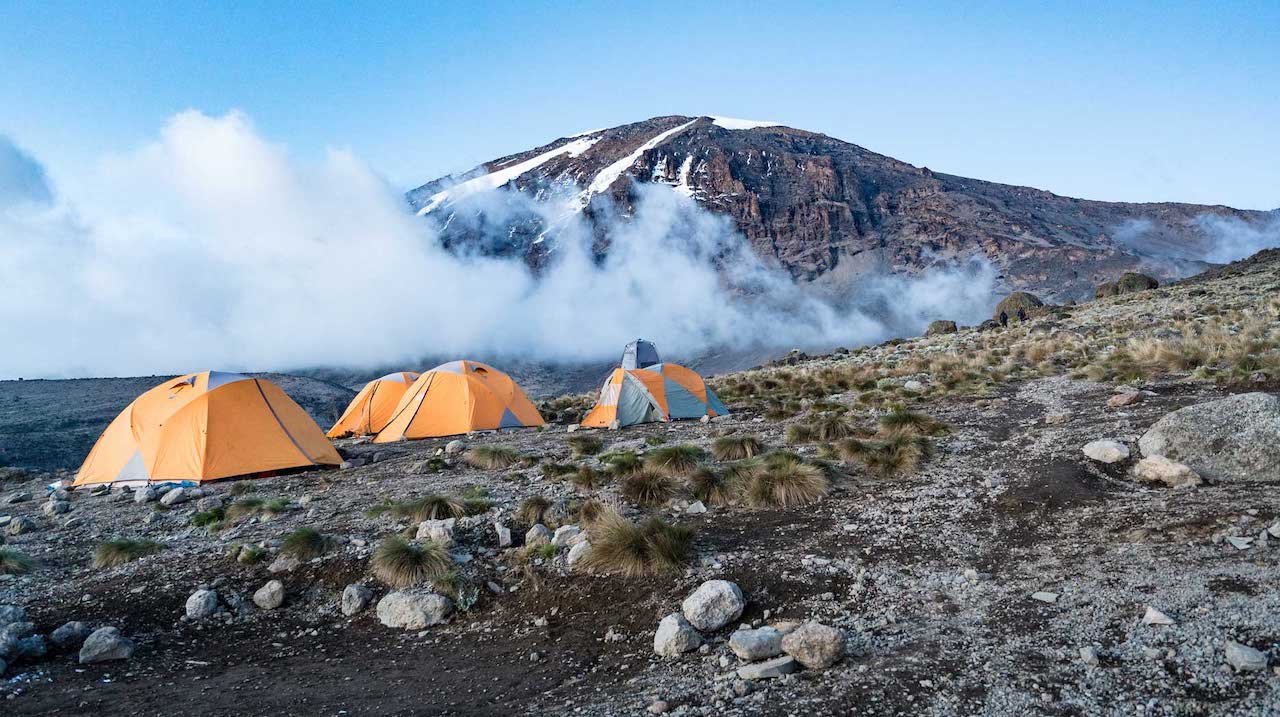
This zone is dry, harsh, and dramatic. Rainfall is very low, and the environment becomes more like a desert, despite the high altitude. You will notice: Rocky terrain and volcanic landscapes Strong sunlight during the day Freezing temperatures at night There is very little vegetation or wildlife here due to the extreme conditions. However, the views of the summit and glaciers become more impressive as you climb higher.
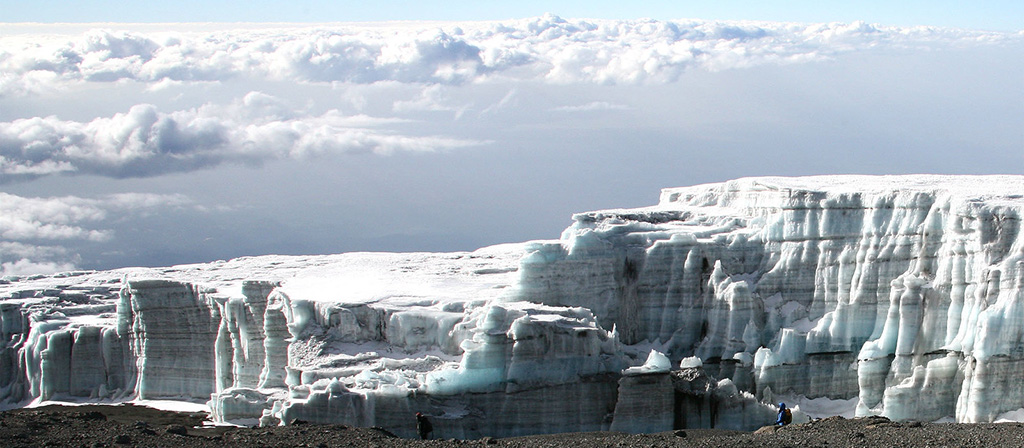
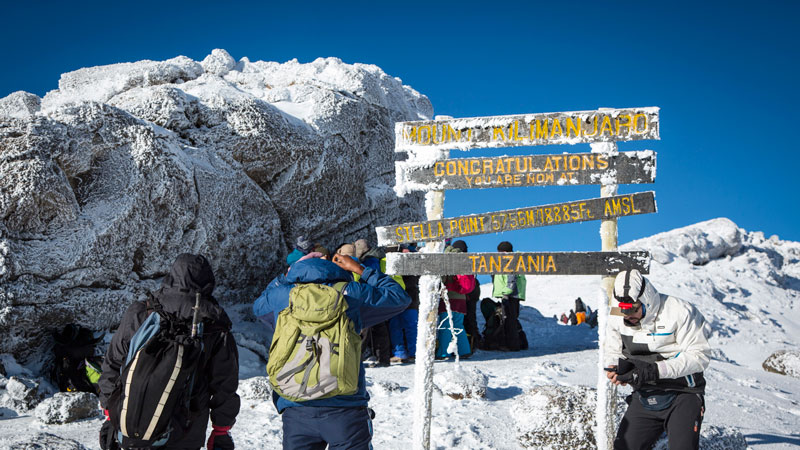
This is the final and most challenging zone, leading to the summit at Uhuru Peak. Conditions here are extreme, with very low oxygen levels and freezing temperatures. Characteristics of this zone: Ice, snow, and glaciers Loose volcanic scree No vegetation or animal life The biggest challenge here is altitude. With significantly reduced oxygen levels, every step requires effort. Climbers usually pass through this zone quickly, aiming to reach the summit and descend safely.
Climbing Kilimanjaro means experiencing five different ecosystems in one . From tropical farms to icy glaciers, every step offers something new and unforgettable. At Marangu Treks Travel, we guide you through each of these zones safely and comfortably, ensuring proper acclimatization and giving you the best chance to enjoy the journey and reach the summit successfully.
Understanding these climate zones helps you prepare better for your climb. With the right guidance, equipment, and pace, your journey through Kilimanjaro’s diverse landscapes will be an experience of a lifetime.