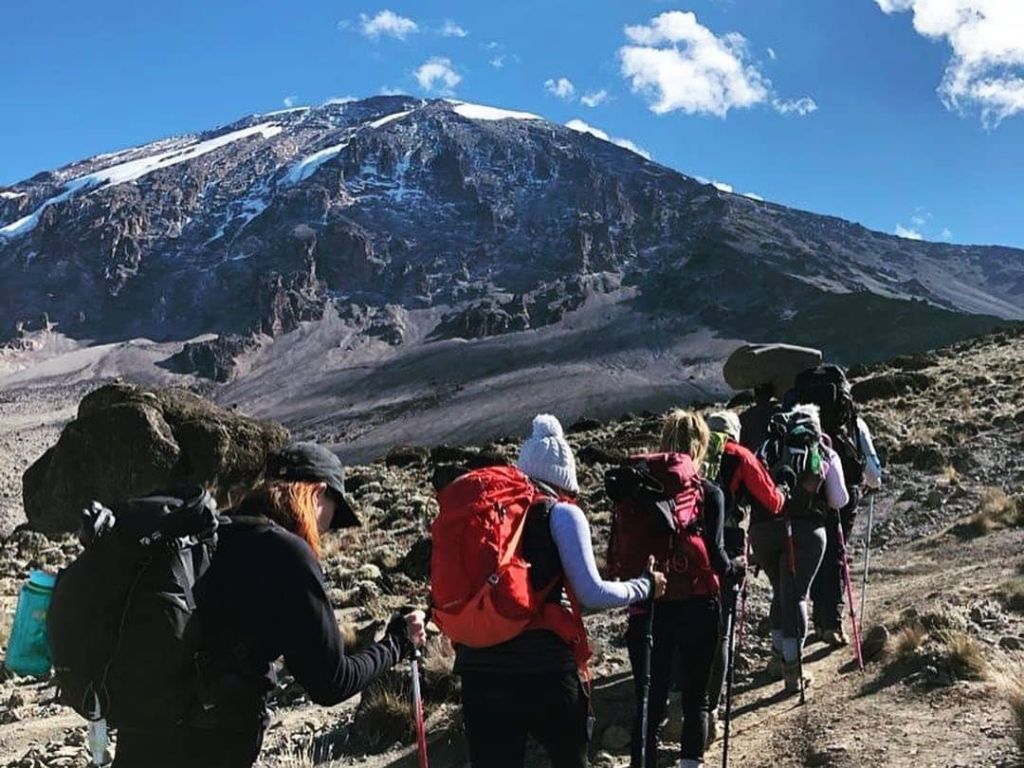
Climb Mount Kilimanjaro with Marangu Treks Travel
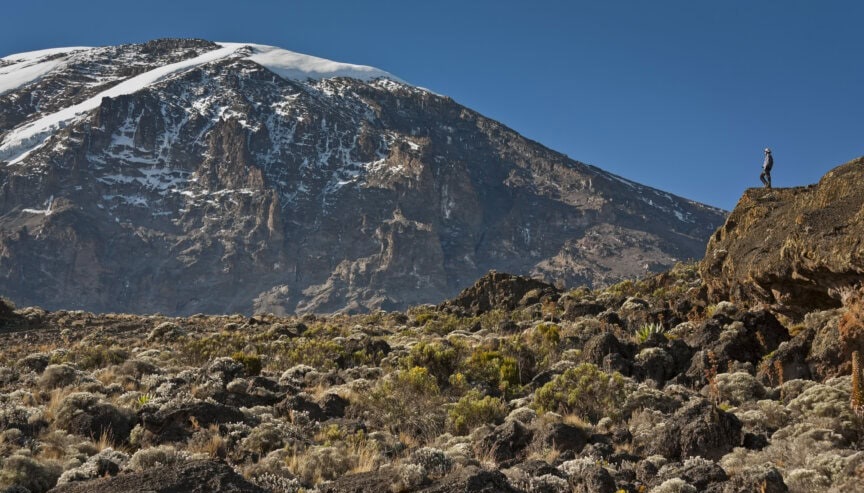
Mount Kilimanjaro is Africa's highest mountain and the tallest free-standing mountain in the world, rising majestically above the plains of Tanzania. Every year it attracts thousands of adventurers from around the globe seeking a once-in-a-lifetime experience.
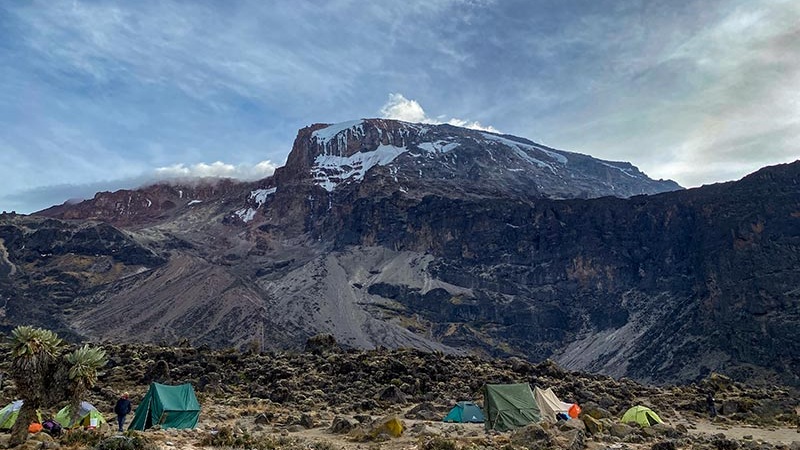
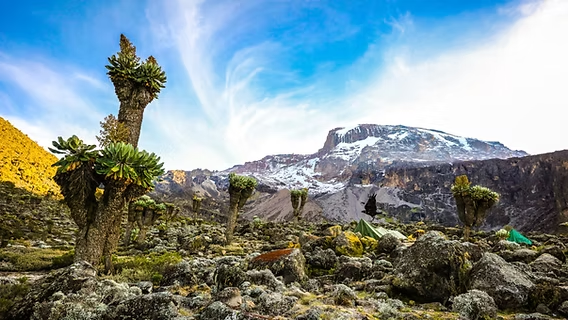
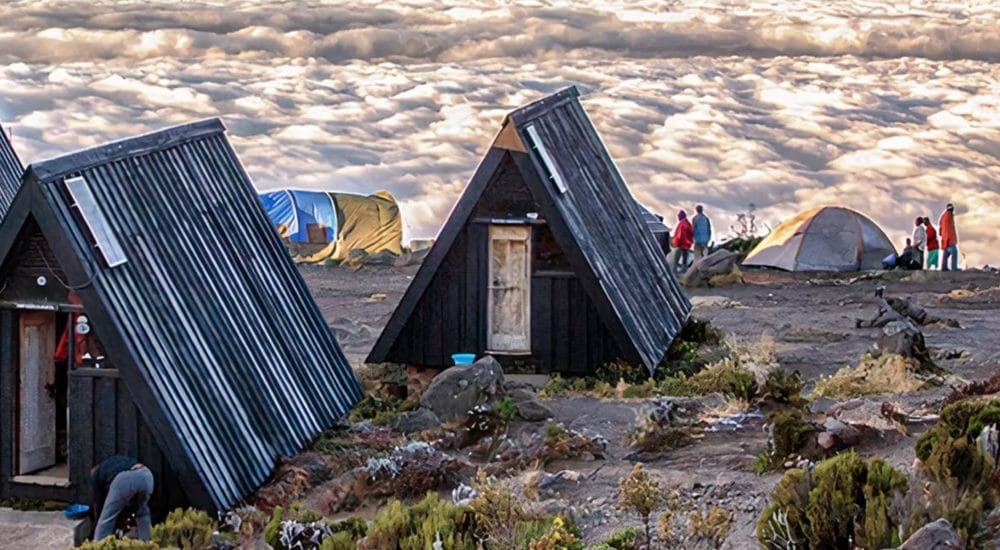
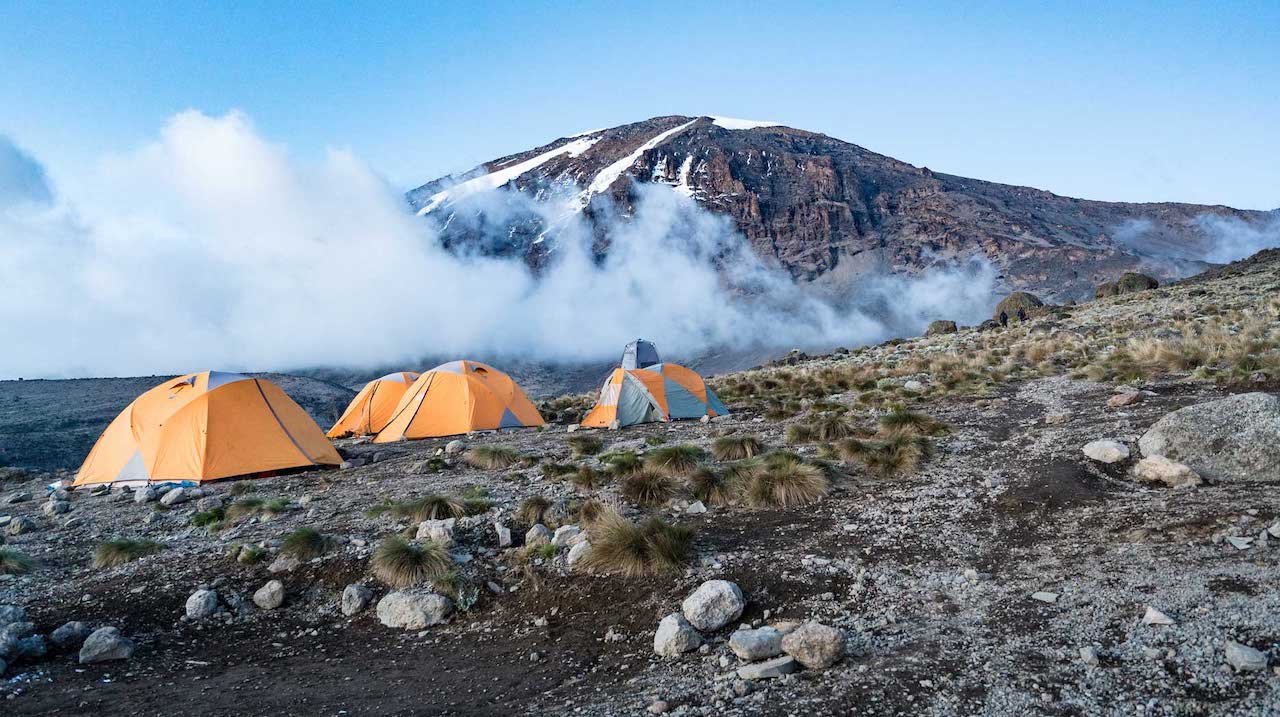
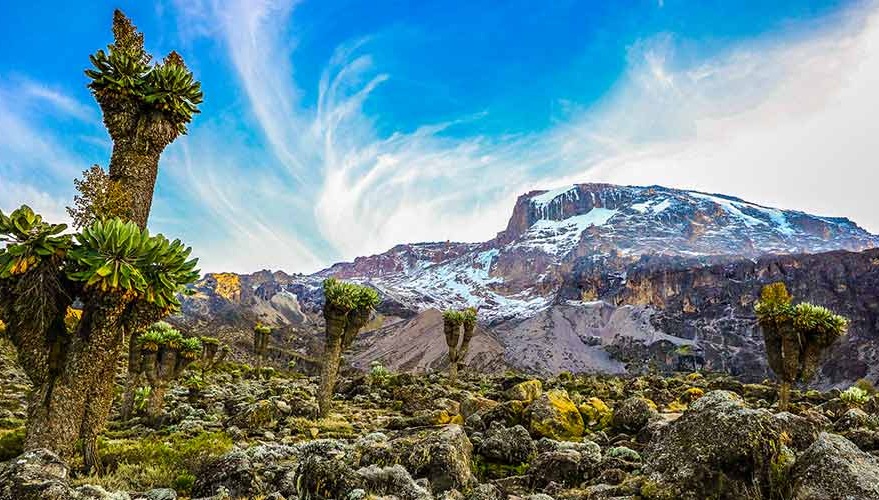
Climbing Kilimanjaro is a unique journey, often described as walking from the tropics to the Arctic within a single week. Along the way you pass through an incredible range of ecosystems, from lush rainforest filled with monkeys and exotic birds to alpine deserts and finally the snow-capped summit known as the "Roof of Africa."
A UNESCO World Heritage Experience
In 1987, UNESCO designated Kilimanjaro as a World Heritage Site in recognition of its outstanding natural beauty. During a typical climb you move through a new ecological zone roughly every day and a half:
Each stage offers new scenery, wildlife and unforgettable views. Learn more about the Kilimanjaro zones →
The Reward: Standing on the Roof of Africa
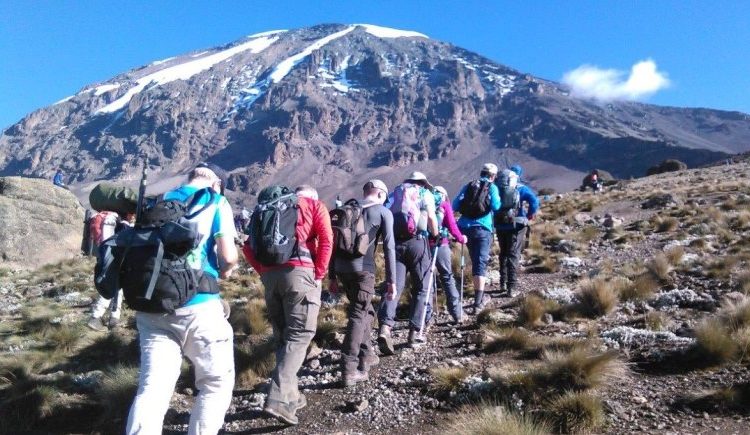
Reaching the summit after several days of trekking is an unforgettable achievement. At Uhuru Peak you are rewarded with panoramic views over the African savannah and the Great Rift Valley. The sense of accomplishment, combined with the beauty of the surroundings, makes this journey truly life-changing.
Can Anyone Climb Kilimanjaro?
Many people dream of climbing Kilimanjaro but wonder if it's possible. The good news: you don't need technical climbing experience. With proper preparation, determination and support from an experienced team like Marangu Treks Travel, reaching the summit is absolutely achievable. If you are in good health and reasonably fit, you can make it to the top.
How to Increase Your Chances of Success
To maximise your chances of reaching the summit and enjoying your trek, we recommend:
- Training with regular hikes a few months before your trip
- Investing in high-quality trekking gear
- Maintaining a steady pace during the climb
- Staying well-hydrated and nourished
- Allowing your body time to acclimatise
Altitude sickness is the main reason climbers fail to reach the summit. That's why we emphasise slow, steady progress and constant monitoring throughout your journey.
Choosing the Best Kilimanjaro Route
There are seven main routes to climb Kilimanjaro, each offering different experiences in terms of scenery, difficulty, duration and crowd levels. Not sure which fits you? Read our guide on which route to choose.
What is the safest Kilimanjaro itinerary?
The safest and most successful climbs are typically 7–8 day itineraries, which give your body enough time to adjust to the altitude. Longer routes significantly increase your chances of reaching the summit comfortably and safely. Key factors that make a climb safer include:
- Longer itineraries (7–8 days) for better acclimatisation
- Experienced guides who monitor your health daily
- Gradual ascent profiles following the "climb high, sleep low" principle
- Flexible pacing based on your condition
- Safety equipment such as oxygen and medical kits
Why the Lemosho Route Is Highly Recommended
Among all routes, Lemosho is widely considered one of the best and safest options. It offers:
- A longer and more gradual ascent
- Excellent acclimatisation profile
- Stunning and diverse scenery
- Higher summit success rates
- Less crowding compared to popular routes
Why Choose Marangu Treks Travel?
At Marangu Treks Travel we are committed to a safe, enjoyable and unforgettable Kilimanjaro experience. Our experienced guides and support staff are dedicated to helping you stand on the Roof of Africa. We combine:
- Expert knowledge of the mountain
- High safety standards
- Personalised service
- Strong summit success rates