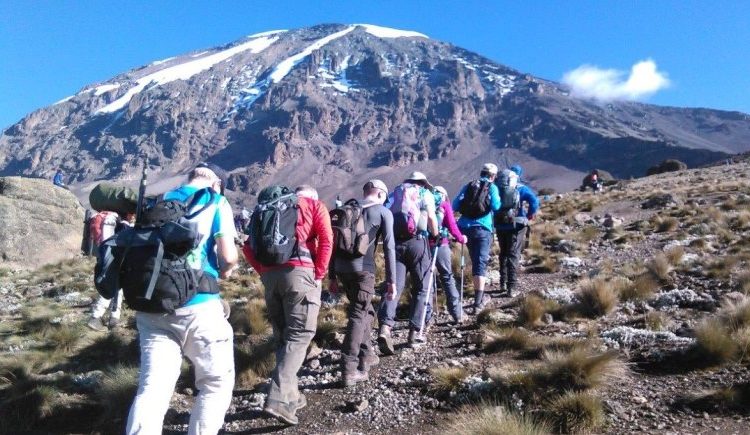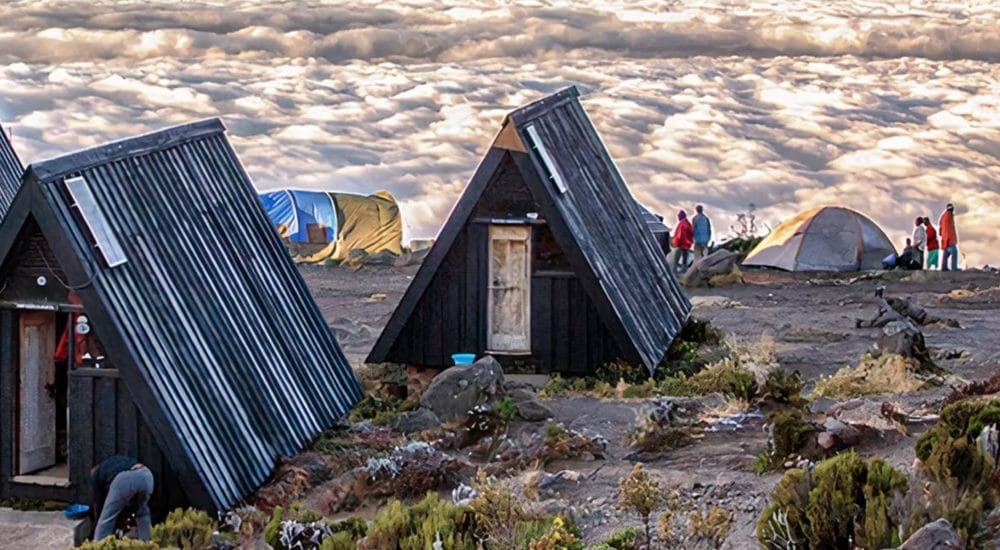
The 7-day Machame Route is the most recommended option for climbing Mount Kilimanjaro via this trail. By spreading the climb over an additional day, this itinerary allows for better acclimatization and significantly increases summit success rates.
The extra day reduces fatigue, improves altitude adaptation, and provides a more enjoyable trekking experience. It is ideal for first-time climbers and those who want a safer, more gradual ascent.
Day 1: Machame Gate (1,800m) → Machame Camp (3,000m)
Distance: 11 km
Hiking Time: 5–7 hours
Habitat: Rainforest
The trek begins through dense rainforest with gradual elevation gain. The trail is rich in wildlife and vegetation.
By evening, you arrive at Machame Camp, where you rest and prepare for the journey ahead.
Overnight: Machame Camp
Day 2: Machame Camp (3,000m) → Shira Camp (3,840m)
Distance: 5 km
Hiking Time: 4–6 hours
Habitat: Moorland
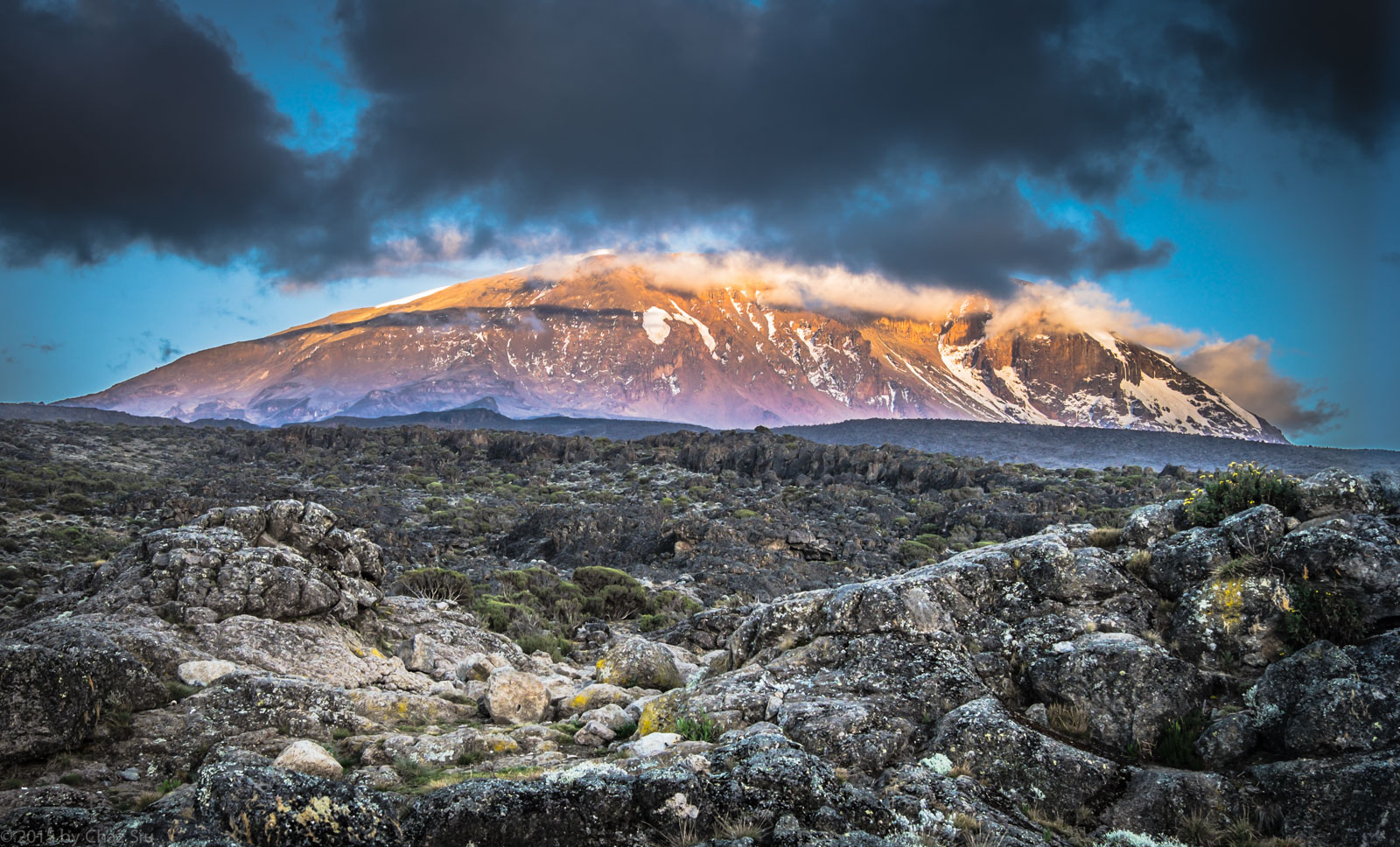
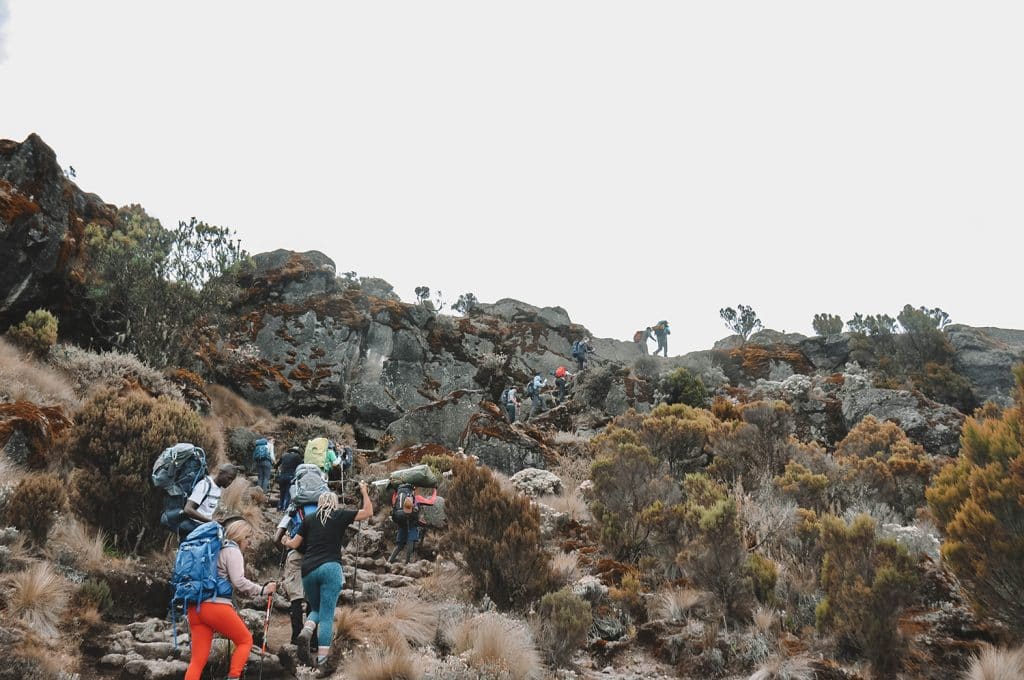
The trail climbs out of the forest into open moorland. The views expand as you gain altitude, revealing the vast Shira Plateau.
The pace remains steady to support acclimatization.
Overnight: Shira Camp
Day 3: Shira Camp (3,840m) → Lava Tower (4,630m) → Barranco Camp (3,950m)
Distance: 10 km
Hiking Time: 6–8 hours
Habitat: Semi-desert
Climbers ascend to Lava Tower before descending into Barranco Valley. This day is critical for acclimatization and helps reduce altitude sickness risk.
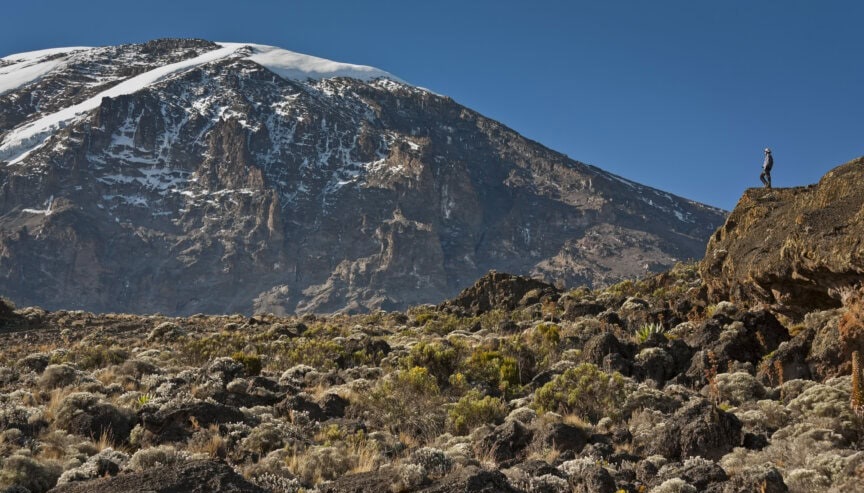
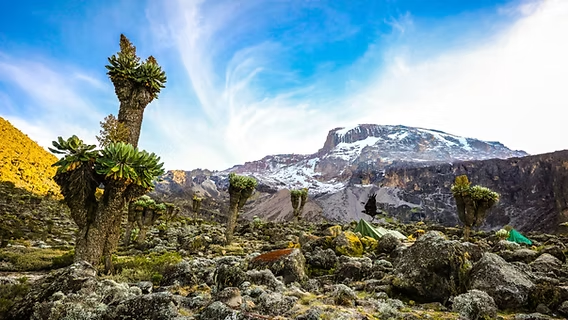
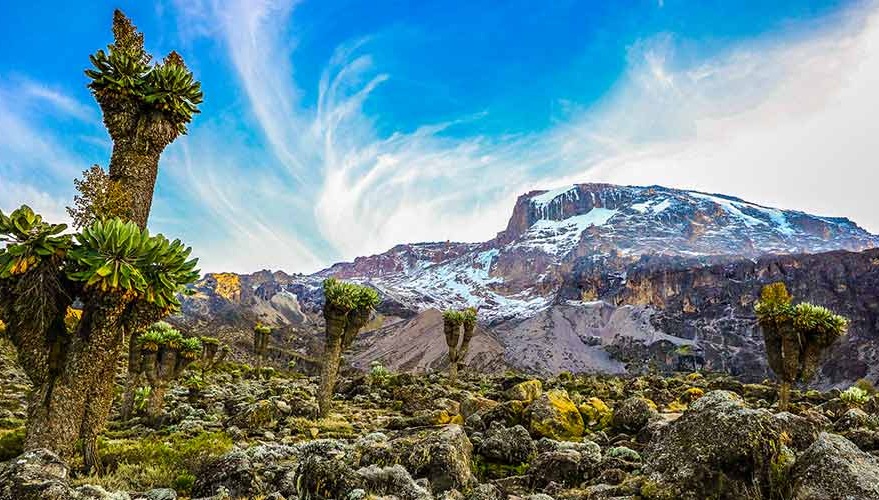
The scenery is dramatic, with volcanic rock formations and unique high-altitude plants.
Overnight: Barranco Camp
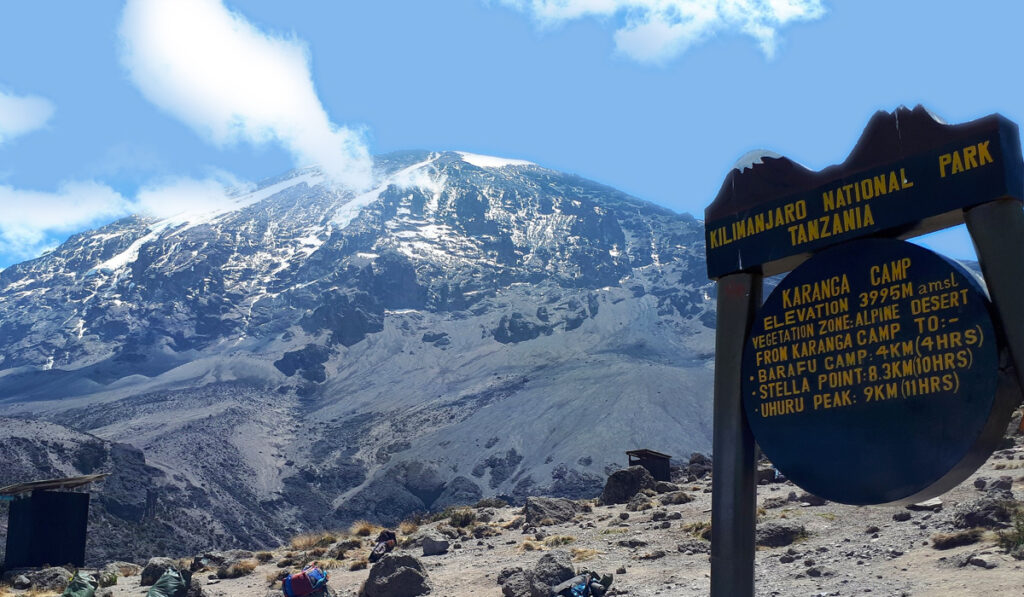
Day 4: Barranco Camp (3,950m) → Karanga Camp (4,035m)
Distance: 5 km
Hiking Time: 4–5 hours
Habitat: Alpine desert
After climbing the Barranco Wall, trekkers continue through ridges and valleys toward Karanga Camp.
This is a moderate day that supports gradual altitude adjustment.
Overnight: Karanga Camp
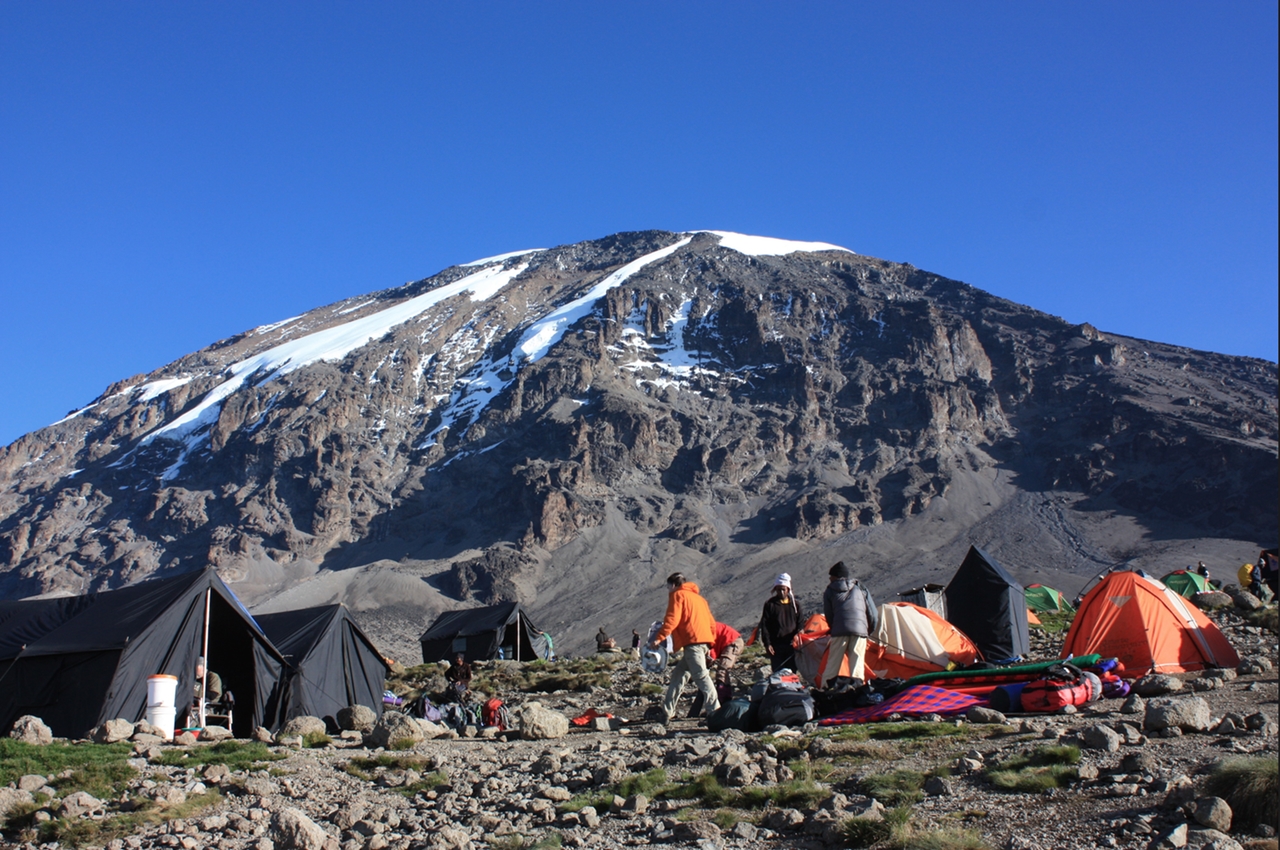
Day 5: Karanga Camp (4,035m) – Acclimatization Day
Distance: 3–4 km (short hike)
Hiking Time: 3–4 hours
Habitat: Alpine desert
This extra day is dedicated to acclimatization. Climbers take a short hike to a higher elevation and return to camp.
This improves oxygen adaptation and prepares the body for the summit push.
Overnight: Karanga Camp
Day 6: Karanga Camp (4,035m) → Barafu Camp (4,640m)
Distance: 4 km
Hiking Time: 3–4 hours
Habitat: Alpine desert
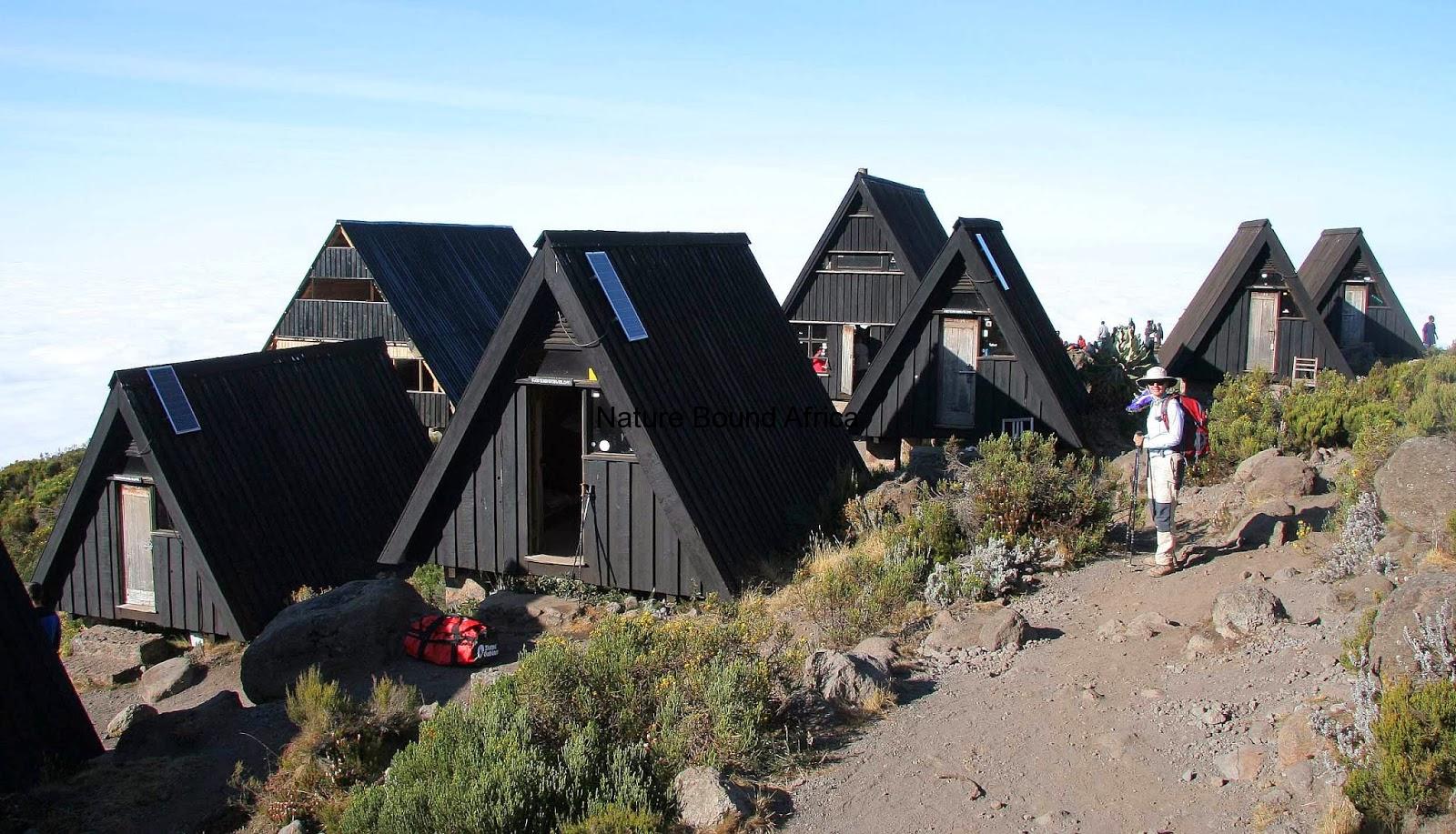
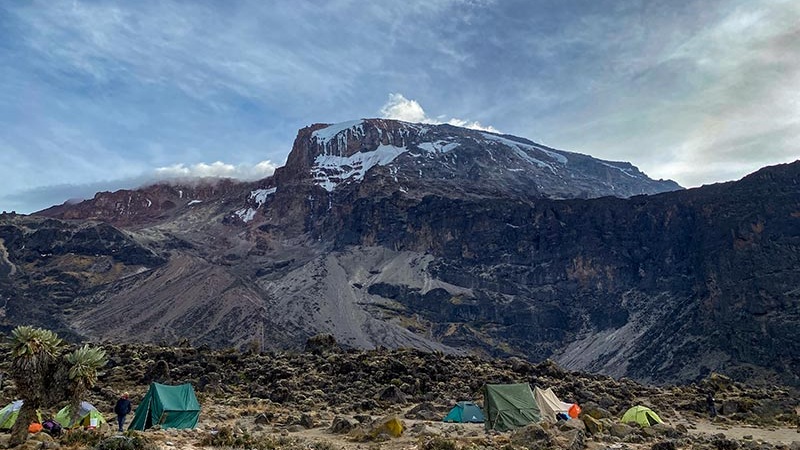
A gradual climb leads to Barafu Camp. After lunch and rest, climbers prepare equipment and sleep early before the summit attempt.
Overnight: Barafu Camp
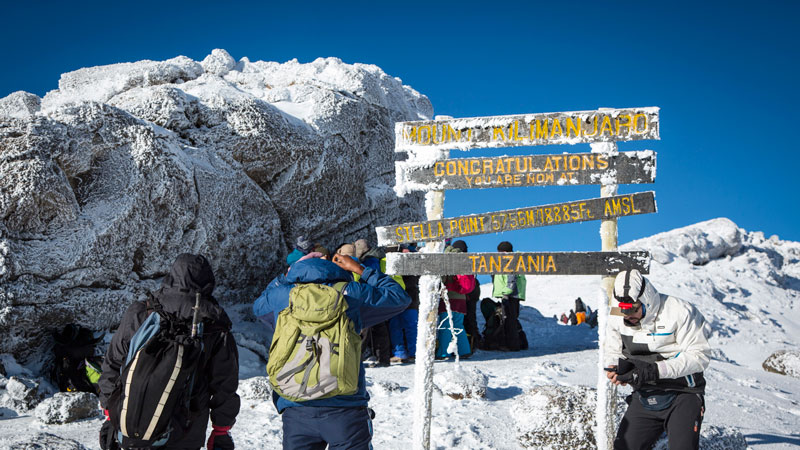
Day 7: Barafu Camp → Uhuru Peak (5,895m) → Mweka Gate (1,640m)
Distance: 20 km
Hiking Time: 12–15 hours
Habitat: Arctic → Rainforest
The summit push begins at midnight. After reaching Uhuru Peak, climbers descend to Barafu Camp briefly, then continue down through Mweka Camp and onward to Mweka Gate.
This is the final and most demanding day, ending with celebration and certificate presentation.
✔ Higher summit success rate
✔ Better acclimatization
✔ Reduced fatigue and altitude risk
✔ More enjoyable trekking pace