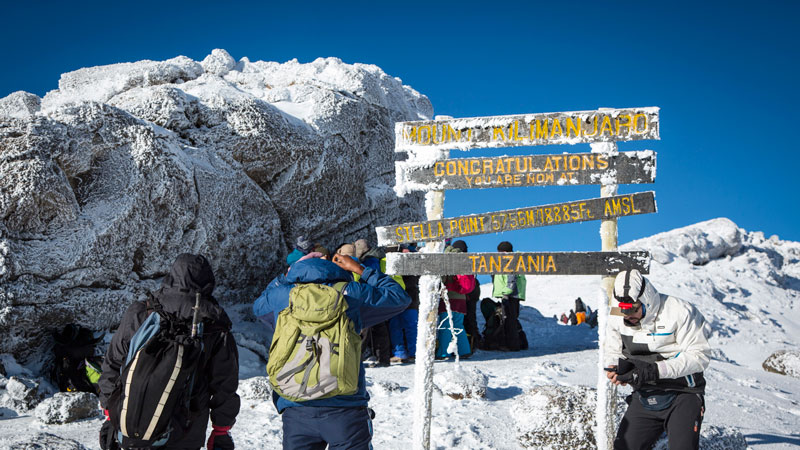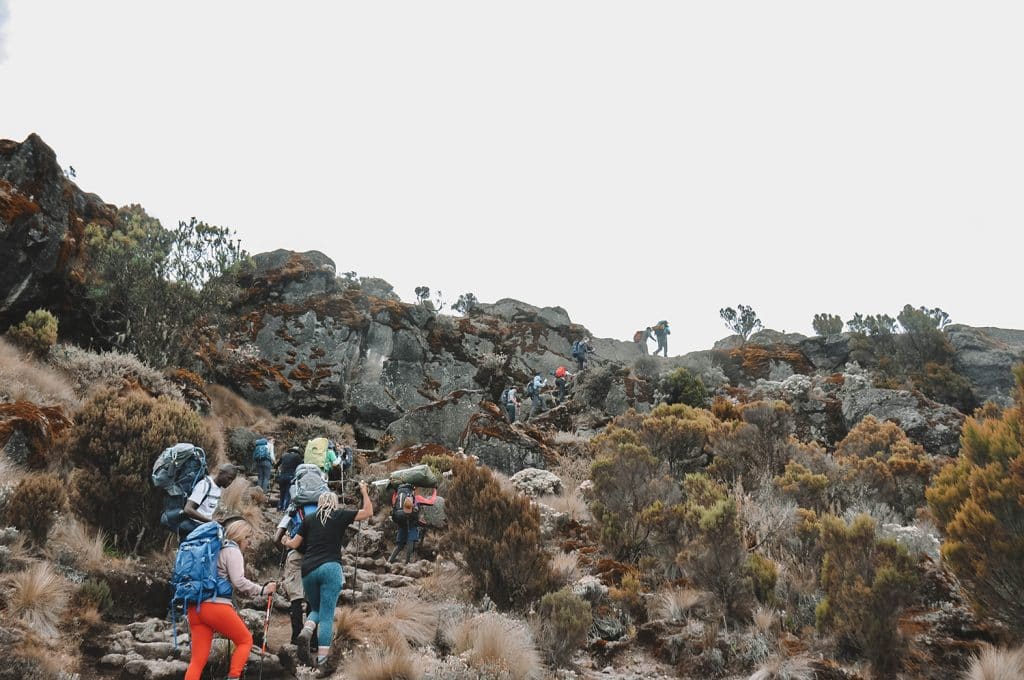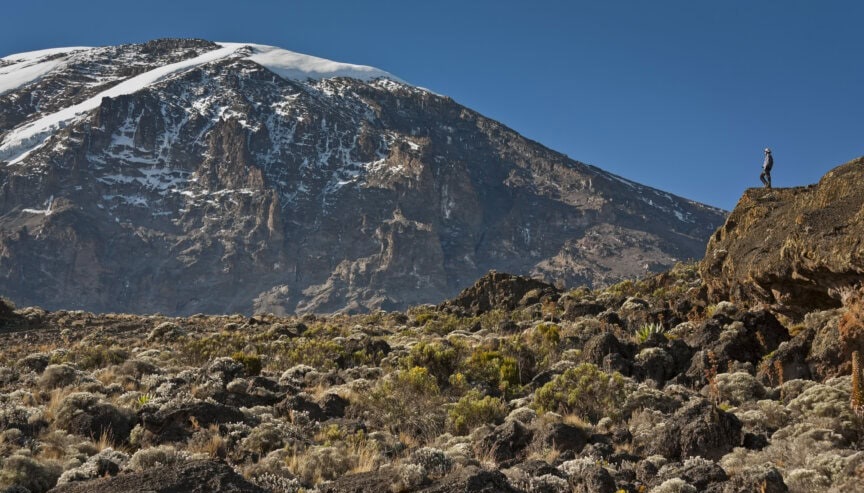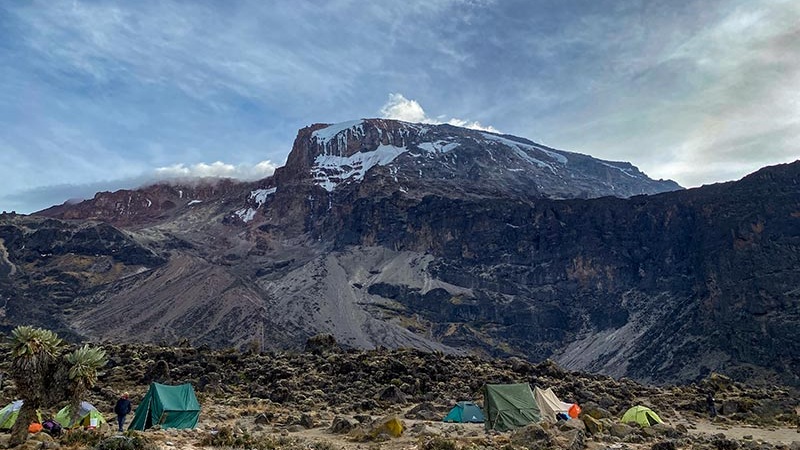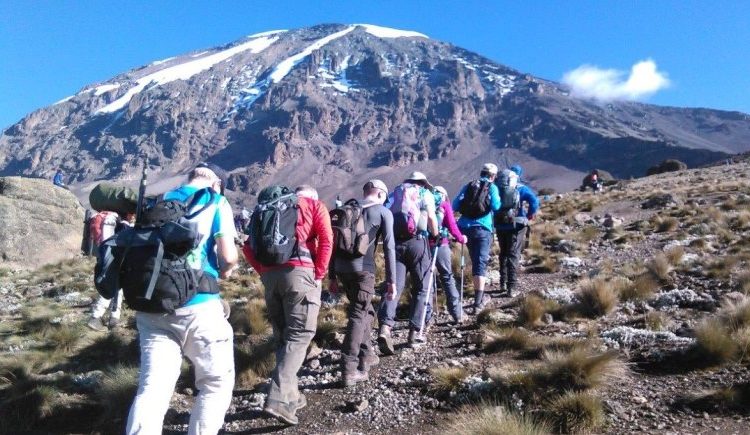
Climbing Mount Kilimanjaro is an incredible adventure—but success depends heavily on having the right gear. Due to the mountain’s dramatic climate changes (from tropical forest to arctic summit), proper equipment is essential for safety, comfort, and performance.
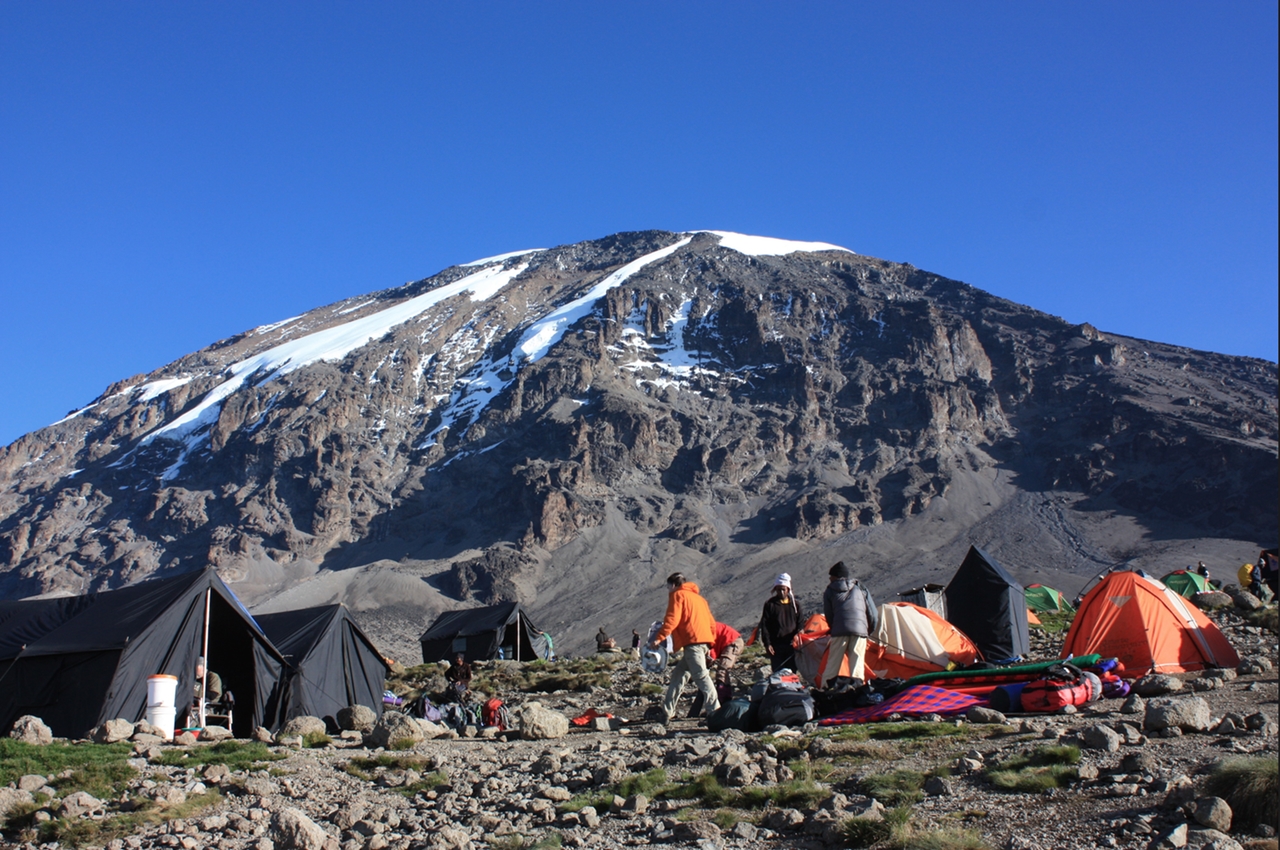
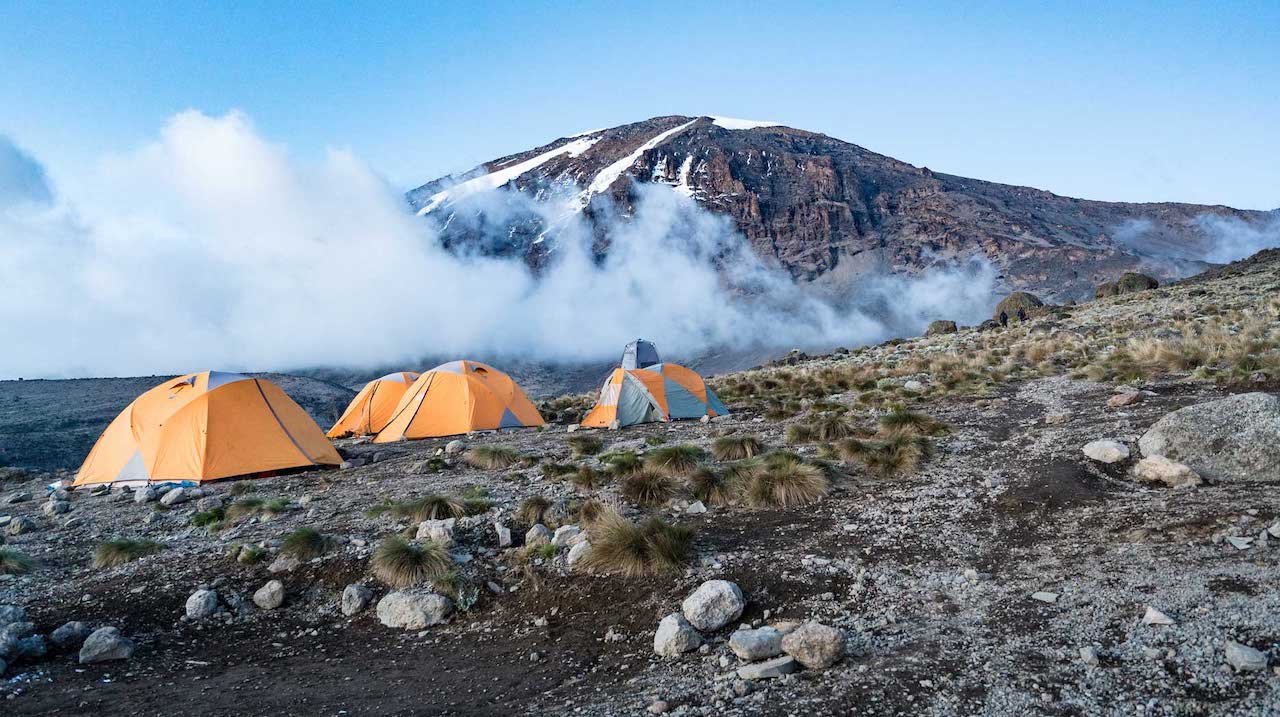
While we provide all communal equipment (tents, meals, cooking gear, and camping logistics), climbers are responsible for bringing their personal gear and clothing.
Don’t worry if you don’t have everything—you can rent any missing gear upon arrival, ensuring you’re fully equipped without the need to travel with bulky items.
A proper layering system helps regulate body temperature across changing conditions:
→ 1 Waterproof jacket (breathable, with hood)
→ 1 Insulated jacket (down or synthetic, with hood)
→ 2 Soft jackets (fleece or soft-shell)
→ 3 Long sleeve shirts (lightweight, moisture-wicking)
→ 1 Short sleeve shirt (optional)
→ 1 Waterproof pants (breathable, side zips recommended)
→ 2 Hiking pants
→ 1 Fleece pants (warm layer)
→ 1 Shorts (optional)
→ 1 Long underwear (base layer)
→ 4 Moisture-wicking underwear
→ 3 Sports bras (for women)
→ Brimmed hat (sun protection)
→ Knit hat (warmth)
→ Neck gaiter (dust, wind, warmth)
→ Warm gloves (preferably waterproof)
→ Lightweight fleece gloves
→ Waterproof hiking boots (well broken-in)
→ 4 pairs of wool or synthetic socks
→ Gaiters (optional, for mud/snow protection)
→ Sunglasses (UV protection is critical at altitude)
→ Waterproof backpack cover (optional)
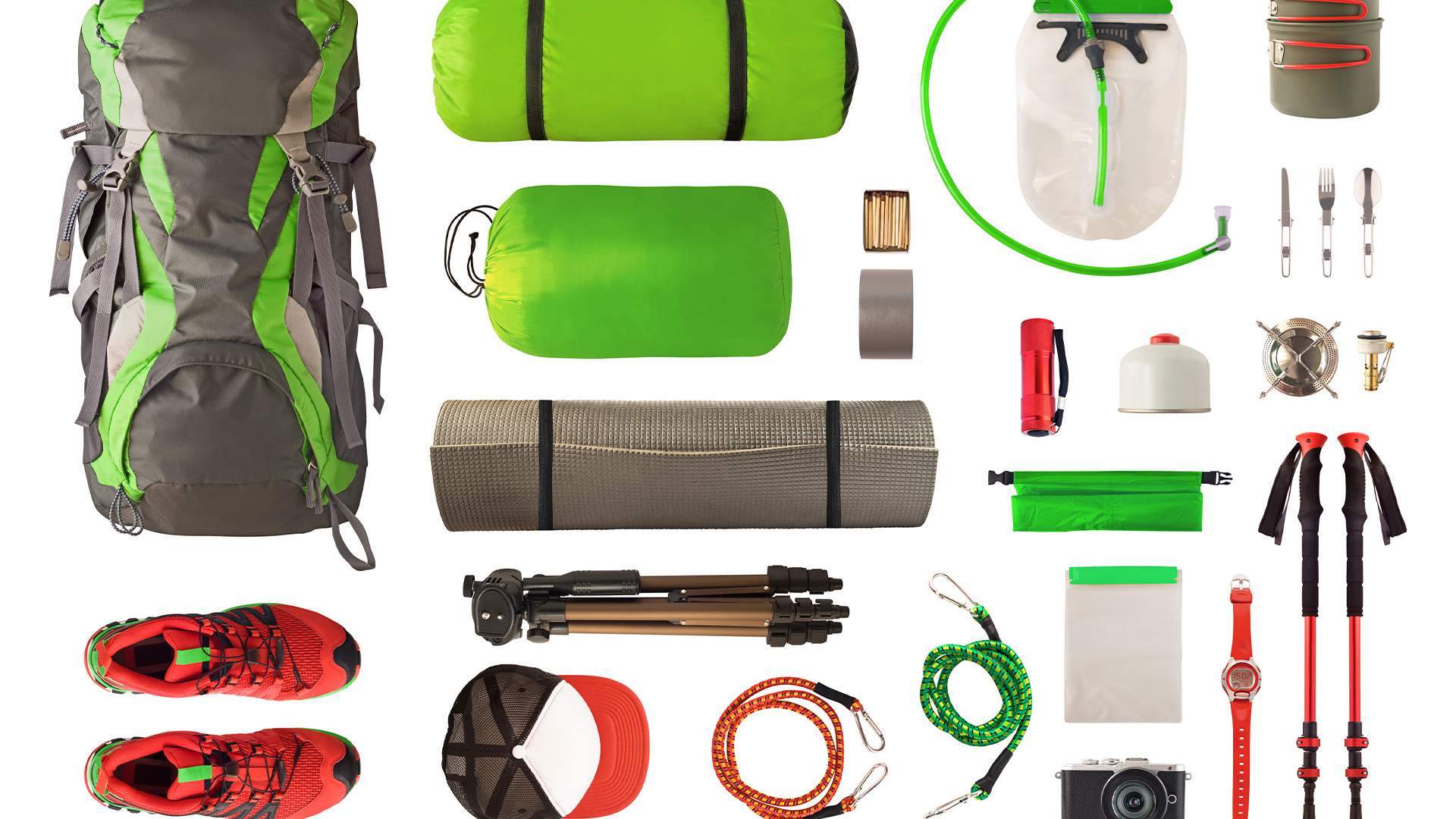
→ 1 Water bottle (1 liter / 32 oz)
→ 1 Hydration bladder (3 liters recommended)
→ Quick-dry towel (optional)
→ Pee bottle (recommended for nighttime use)
→ Dry bags or packing sacks to keep gear organized and dry
→ 4-season sleeping bag (can be rented)
→ Sleeping pad (optional; foam pad provided)
→ Camp pillow (optional)
→ Trekking poles (highly recommended; can be rented)
→ Headlamp with extra batteries
→ Duffel bag (70–90L, carried by porters)
→ Daypack (30–35L, carried by you)
→ Toiletries
→ Prescription medications
→ Sunscreen & lip balm
→ Insect repellent (DEET recommended)
→ Basic first aid kit
→ Hand sanitizer
→ Toilet paper & wet wipes
→ Snacks (high-energy, lightweight)
→ Electrolytes (optional but helpful)
→ Camera with spare batteries (optional)
→ Passport
→ Visa (available on arrival at Kilimanjaro International Airport)
→ Travel insurance documents
→ Vaccination certificates
→ Trip confirmation/receipt
To make your journey easier, we offer high-quality gear rental services on arrival.
This allows you to:
→ Travel lighter
→ Save money on expensive equipment
→ Access proper mountain-grade gear
Whether you’re missing a sleeping bag, trekking poles, jackets, or other essentials—we’ve got you covered.
Climbing Kilimanjaro is not a technical climb, but it is a serious high-altitude trek. The right gear can make the difference between a difficult experience and an unforgettable one.