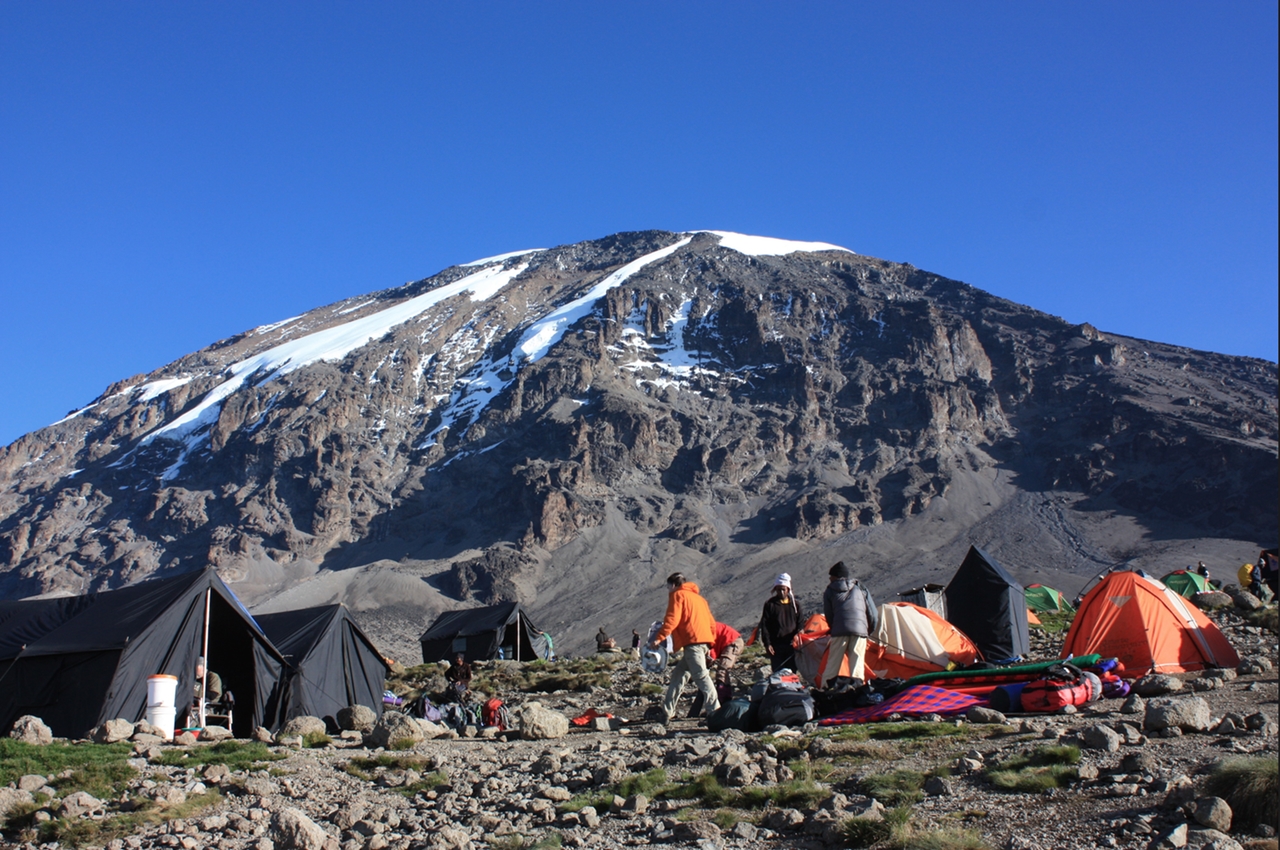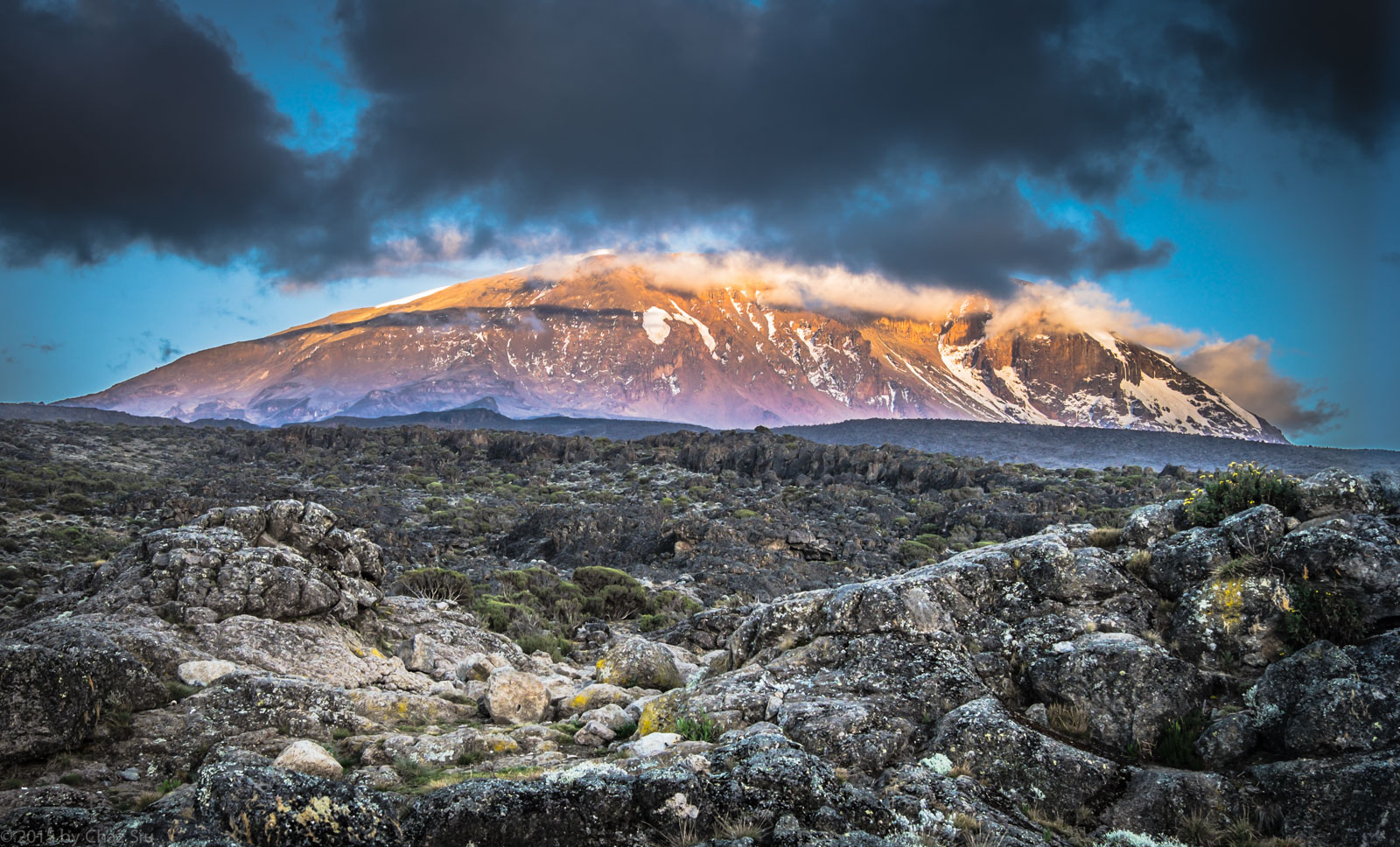
The 9-day Northern Circuit Route is the most comprehensive and safest way to climb Mount Kilimanjaro. It offers the best acclimatization profile, lowest crowd levels, and the most diverse scenery as it circles around the entire mountain.
This itinerary maximizes summit success by allowing gradual altitude gain and proper recovery time, making it ideal for both beginners and experienced climbers.
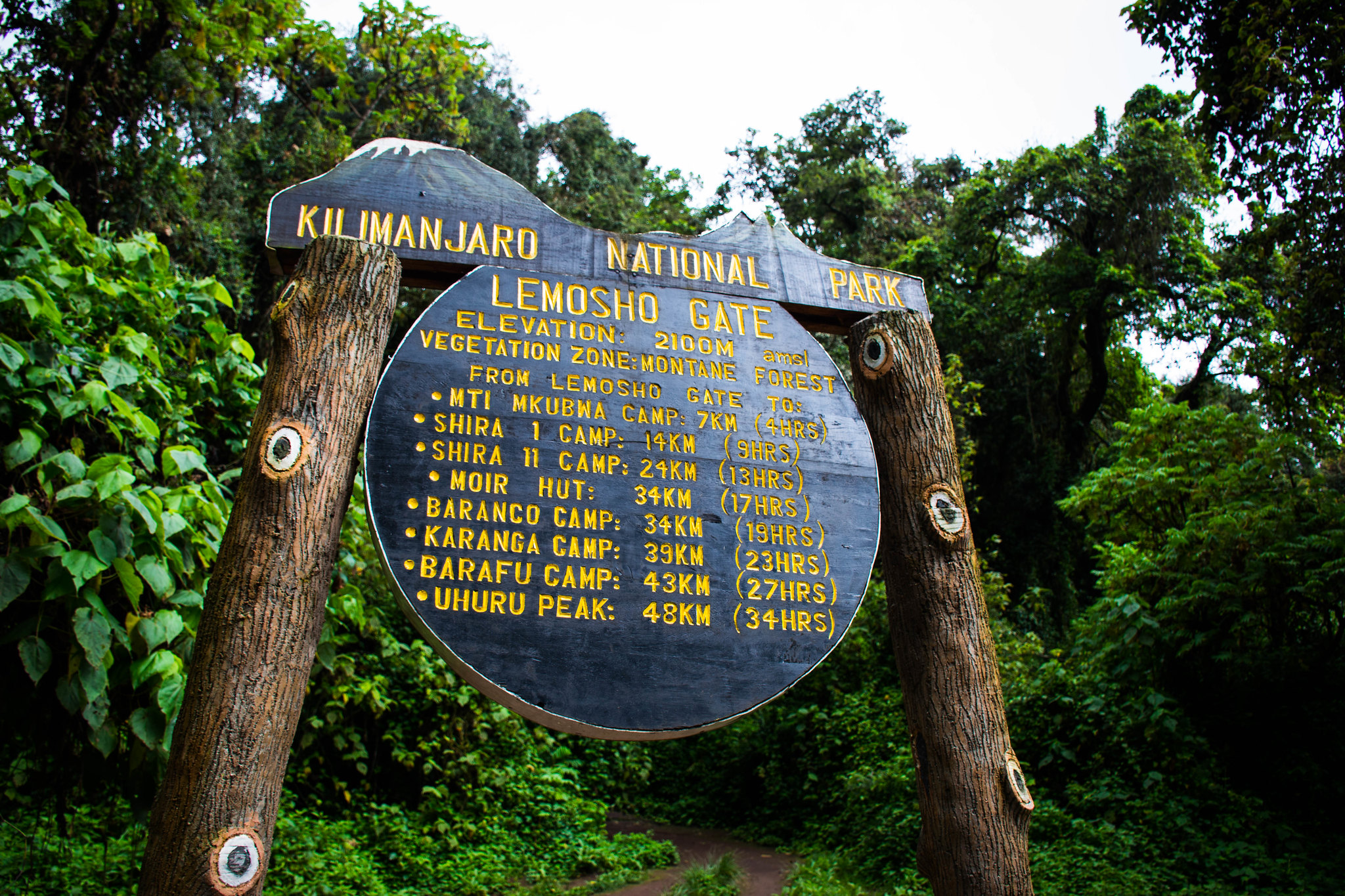
Day 1: Lemosho Gate (2,100m) → Mti Mkubwa Camp (2,650m)
Distance: 7 km
Hiking Time: 3–4 hours
Habitat: Rainforest
After registration, the trek begins through dense rainforest filled with tall trees, moss-covered trunks, and rich wildlife. The trail is gentle and shaded, allowing your body to ease into the climb.
You may encounter black-and-white colobus monkeys and hear tropical birds along the way. The air is humid but fresh.
Arrival at Mti Mkubwa Camp (meaning “Big Tree Camp”) provides a peaceful first night in the forest.
Day 2: Mti Mkubwa Camp (2,650m) → Shira 1 Camp (3,500m)
Distance: 8 km
Hiking Time: 5–6 hours
Habitat: Moorland
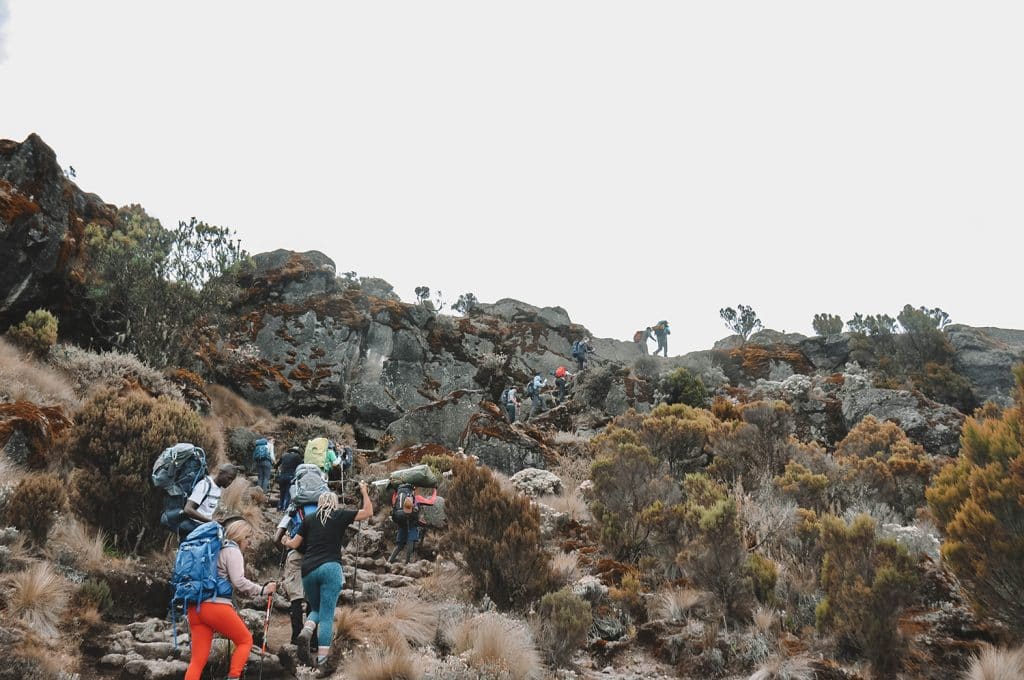
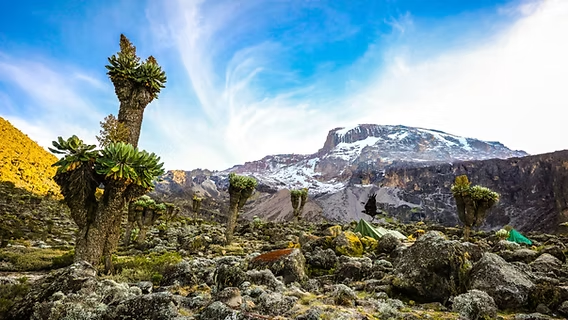
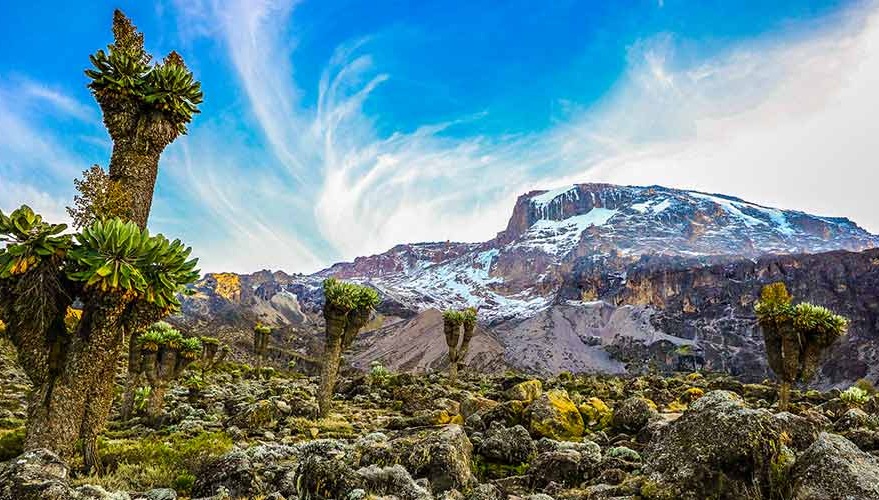
Leaving the rainforest behind, the trail climbs steadily into moorland. The vegetation becomes shorter, with giant heather and volcanic rock formations.
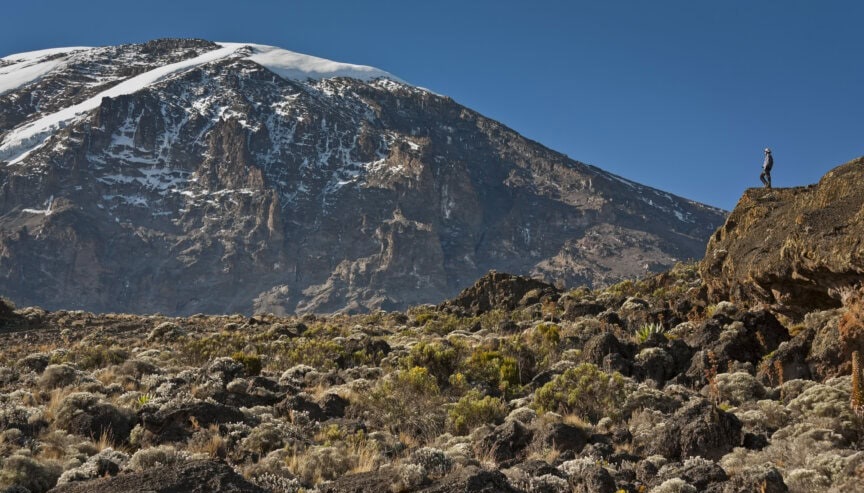
The air becomes cooler and drier, and you’ll begin to notice the effects of altitude. On clear days, the first full views of Kibo Peak appear.
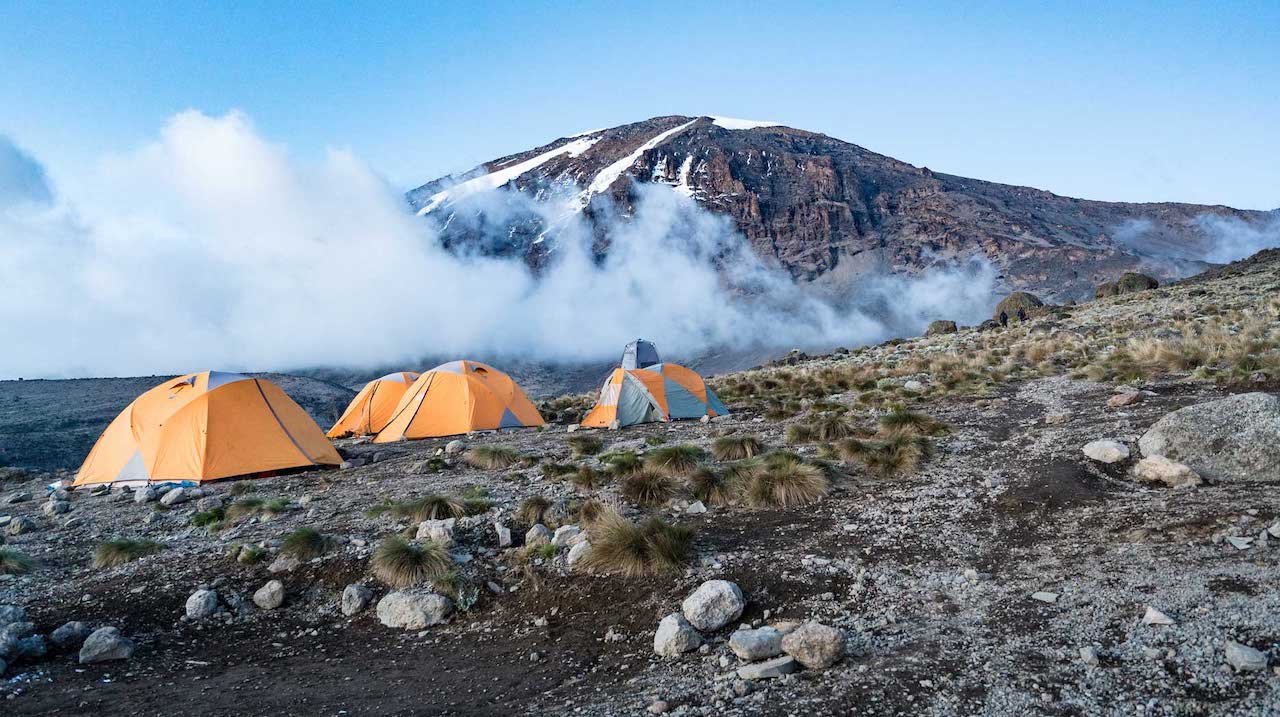
Shira 1 Camp is located on the western edge of the Shira Plateau, offering expansive views.
Day 3: Shira 1 Camp (3,500m) → Shira 2 Camp (3,840m)
Distance: 7 km
Hiking Time: 3–4 hours
Habitat: Moorland
This is a relatively easy and scenic day. The trail crosses the Shira Plateau, one of the largest high-altitude plateaus in the world.
The gentle ascent allows for effective acclimatization while enjoying wide, open landscapes and panoramic views of the mountain.
You arrive early at Shira 2 Camp, giving time to rest and hydrate.
Day 4: Shira 2 Camp → Lava Tower (4,630m) → Moir Hut (4,200m)
Distance: 10 km
Hiking Time: 6–8 hours
Habitat: Alpine desert
This is a crucial acclimatization day. The trail climbs steadily to Lava Tower, a volcanic rock formation at over 4,600 meters.
Many climbers begin to feel the altitude here. After lunch, you descend to Moir Hut, applying the “climb high, sleep low” principle.
The landscape is rugged and dramatic, with little vegetation and wide views.
Day 5: Moir Hut (4,200m) → Buffalo Camp (4,020m)
Distance: 12 km
Hiking Time: 5–7 hours
Habitat: Alpine desert
The route now turns north, entering a remote and less-traveled part of Kilimanjaro.
The trail is quiet and peaceful, offering a true wilderness experience. You traverse ridges and valleys with expansive views toward Kenya.
Buffalo Camp is located in a secluded area with stunning scenery and minimal crowds.
Day 6: Buffalo Camp (4,020m) → Third Cave Camp (3,800m)
Distance: 8 km
Hiking Time: 4–5 hours
Habitat: Alpine desert
A shorter and relatively gentle day. The trail undulates across the northern slopes, maintaining a steady pace.
This section is less steep, allowing your body to recover while continuing acclimatization.
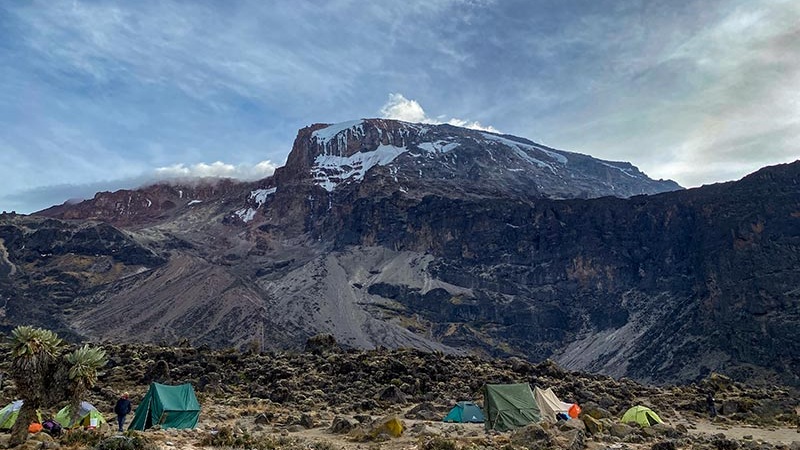
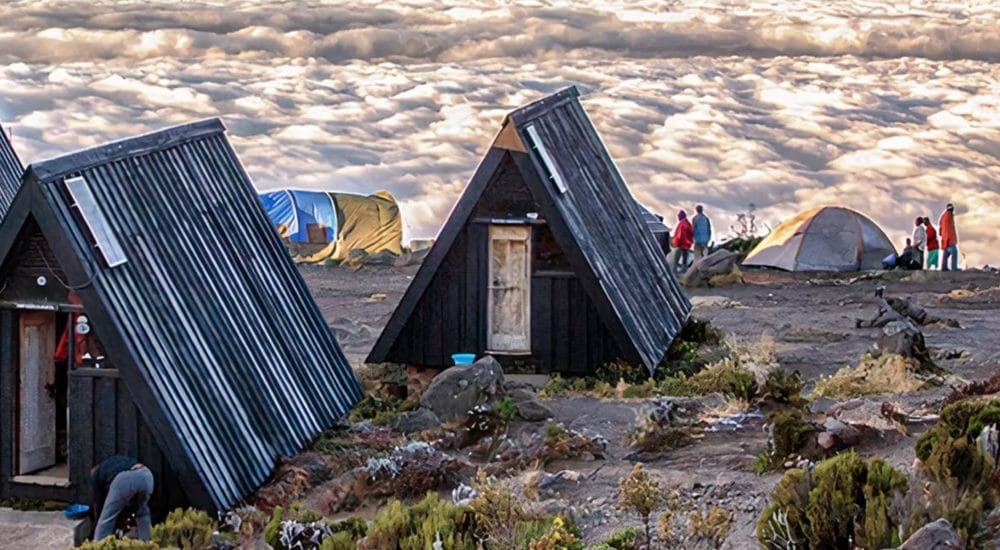
Third Cave Camp offers a quiet and comfortable resting point before the final ascent phase.
Day 7: Third Cave Camp (3,800m) – Acclimatization Day
Distance: 4–5 km (optional hike)
Hiking Time: 3–4 hours
Habitat: Alpine desert
This important acclimatization day includes a short hike to higher elevation before returning to camp.
This strategy improves oxygen efficiency and prepares your body for the summit push.
The rest of the day is spent relaxing, hydrating, and conserving energy.
Day 8: Third Cave Camp (3,800m) → Kibo Hut (4,700m)
Distance: 9 km
Hiking Time: 5–6 hours
Habitat: Alpine desert
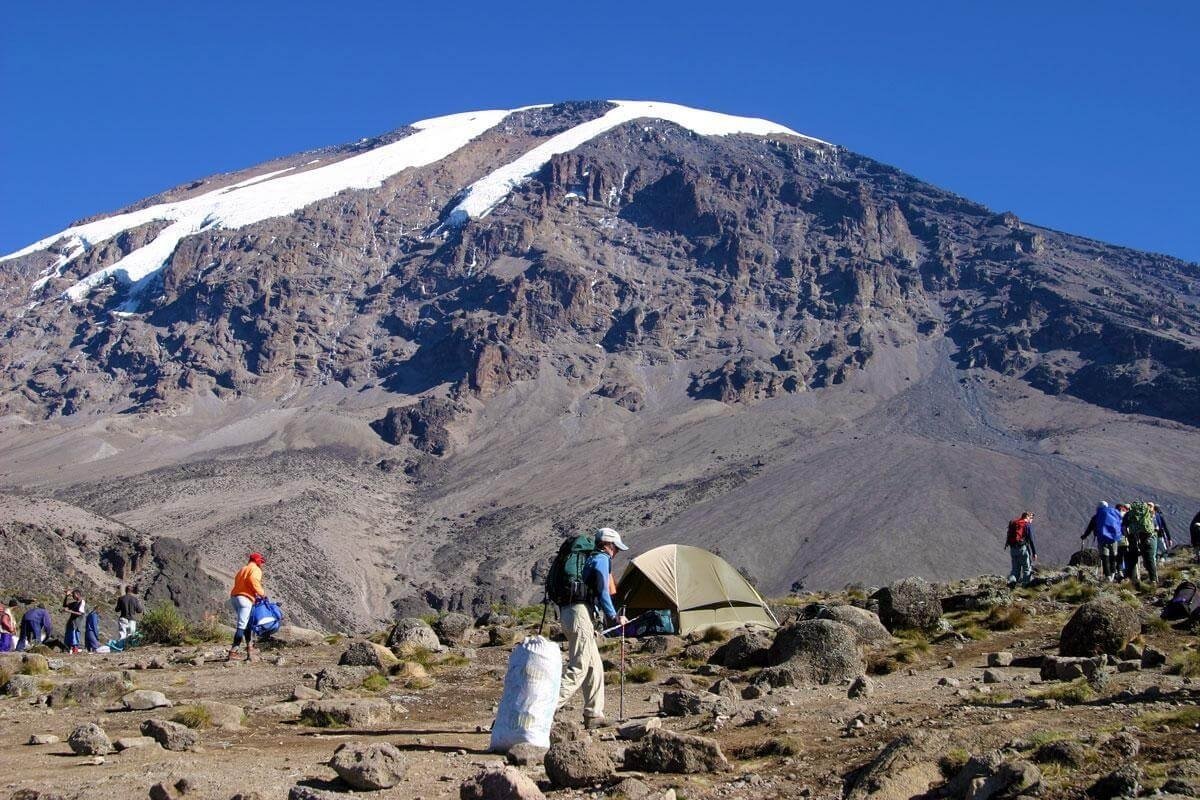
The trail gradually ascends toward Kibo Hut, crossing barren, rocky terrain.
You’ll notice the environment becoming harsher, with colder temperatures and thinner air.
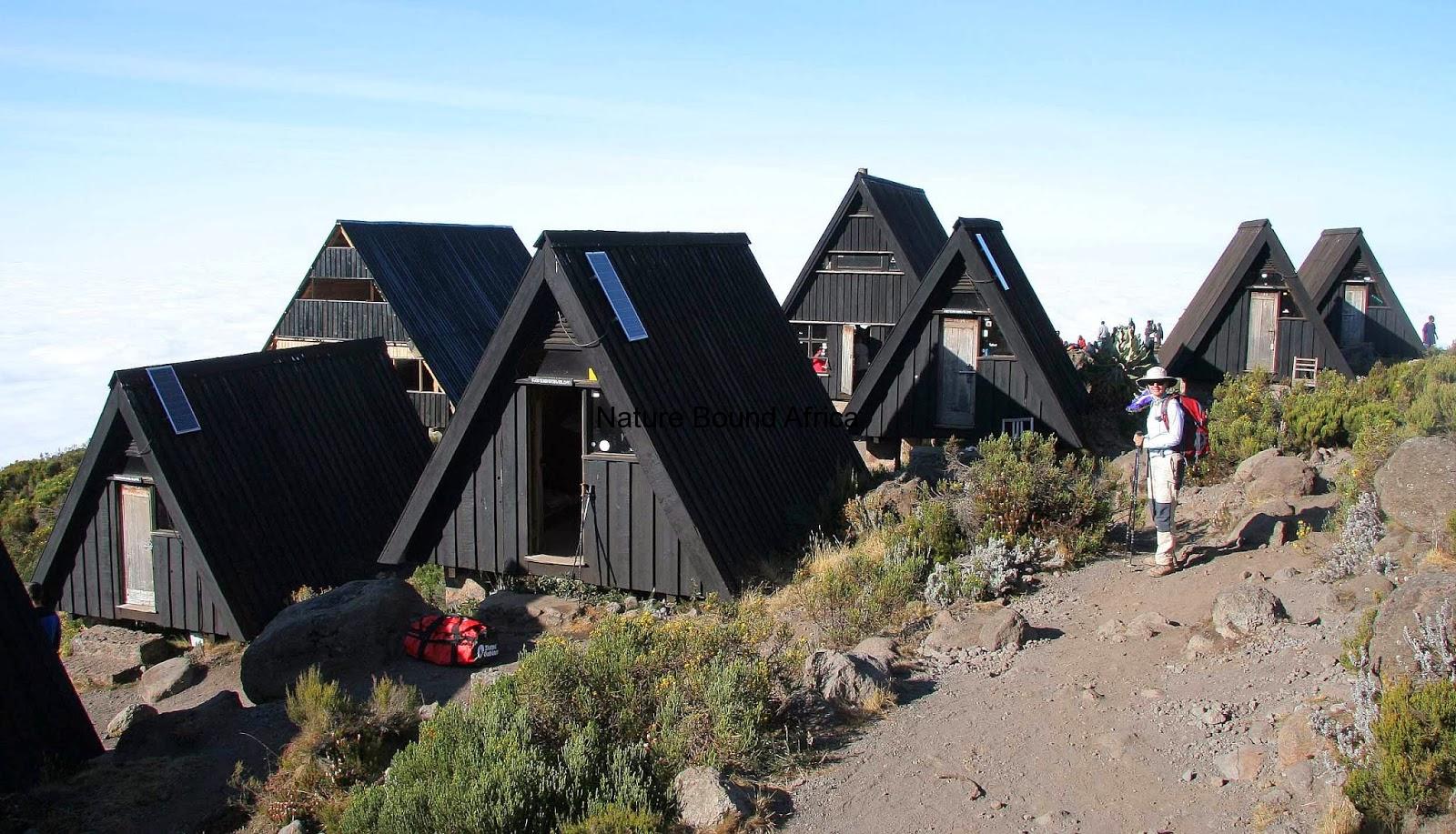
Upon arrival, you rest, eat an early dinner, and prepare gear for the summit attempt. Sleep is limited as you wake around midnight.
Day 9: Kibo Hut → Uhuru Peak (5,895m) → Mweka Gate (1,640m)
Distance: 22 km
Hiking Time: 12–15 hours
Habitat: Arctic → Rainforest
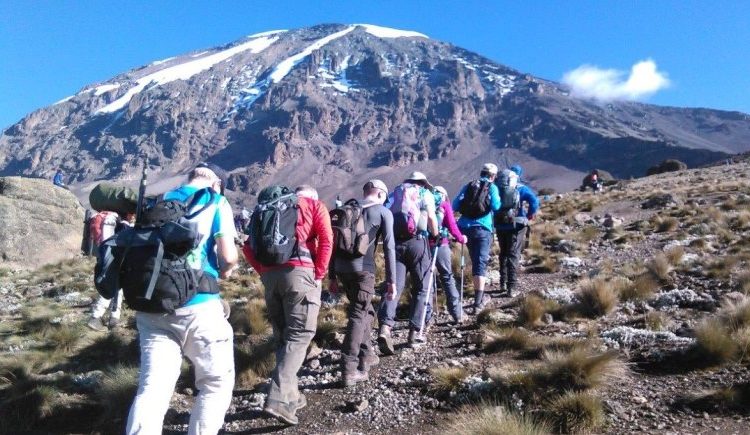
The summit attempt begins around midnight. The climb is slow and steady, with frequent breaks.
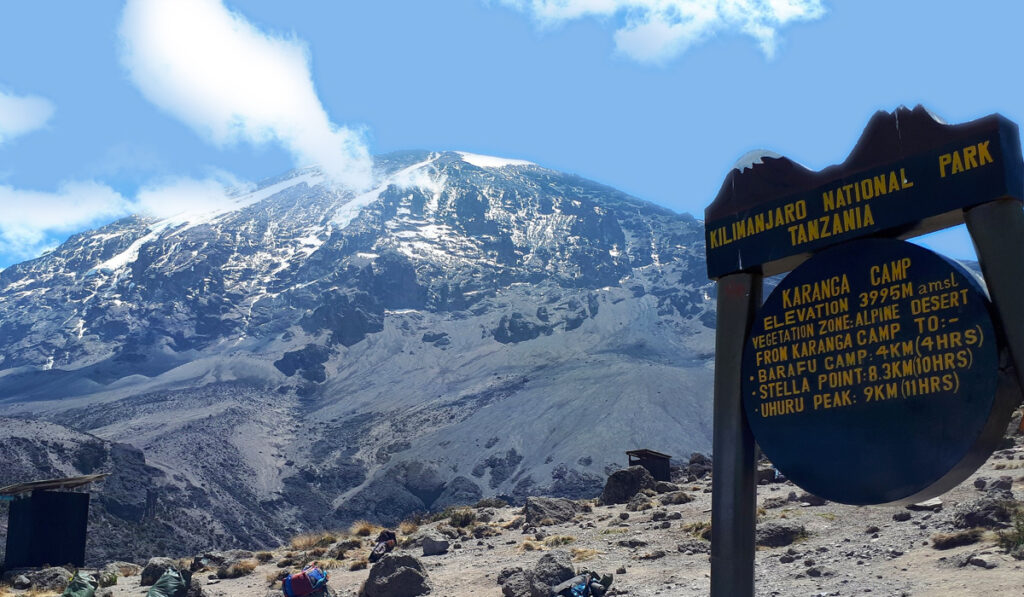
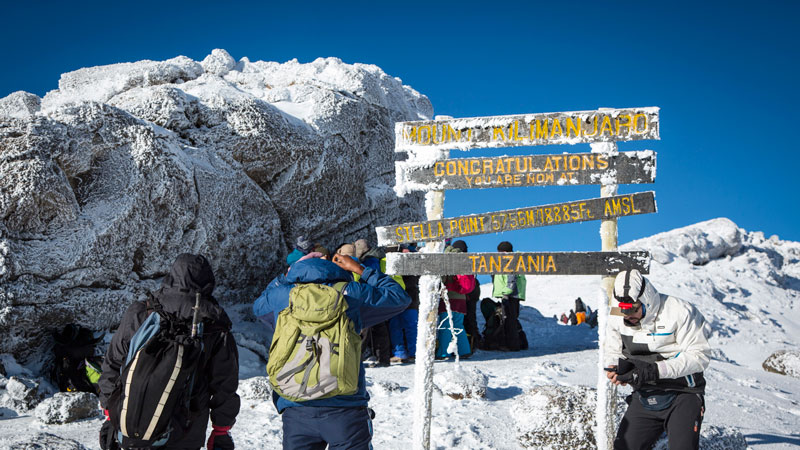
You reach Stella Point at sunrise, then continue along the crater rim to Uhuru Peak, the highest point in Africa.
After celebrating and taking photos, you descend carefully back to Kibo Hut for a short rest, then continue down to Mweka Gate through changing vegetation zones.
This is the longest and most demanding day, but also the most rewarding.
✔ Shorter Duration – Ideal for climbers with limited time but still wanting to summit Mount Kilimanjaro
✔ Lower Cost – Fewer days mean reduced park fees, crew costs, and overall trip price
✔ Still Excellent Acclimatization – The route design still provides very good altitude adaptation
✔ Less Time on the Mountain – Suitable for those who prefer a quicker adventure
✔ Strong Success Rate – Still offers a high chance of reaching Uhuru Peak compared to shorter routes
⚠️ Note: Slightly less acclimatization than the 9-day option
Best for: Fit trekkers who want a high success rate with less time and cost, while still enjoying the full Northern Circuit experience.