The 7-day Umbwe Route provides a slightly longer and safer version of this challenging trail on Mount Kilimanjaro.
By adding an extra acclimatization day, this itinerary improves summit success rates and reduces the risk of altitude sickness. While still steep and demanding, it becomes more manageable and enjoyable compared to the 6-day option.
Day 1: Umbwe Gate (1,600m) → Umbwe Cave Camp (2,850m)
Distance: 11 km
Hiking Time: 5–7 hours
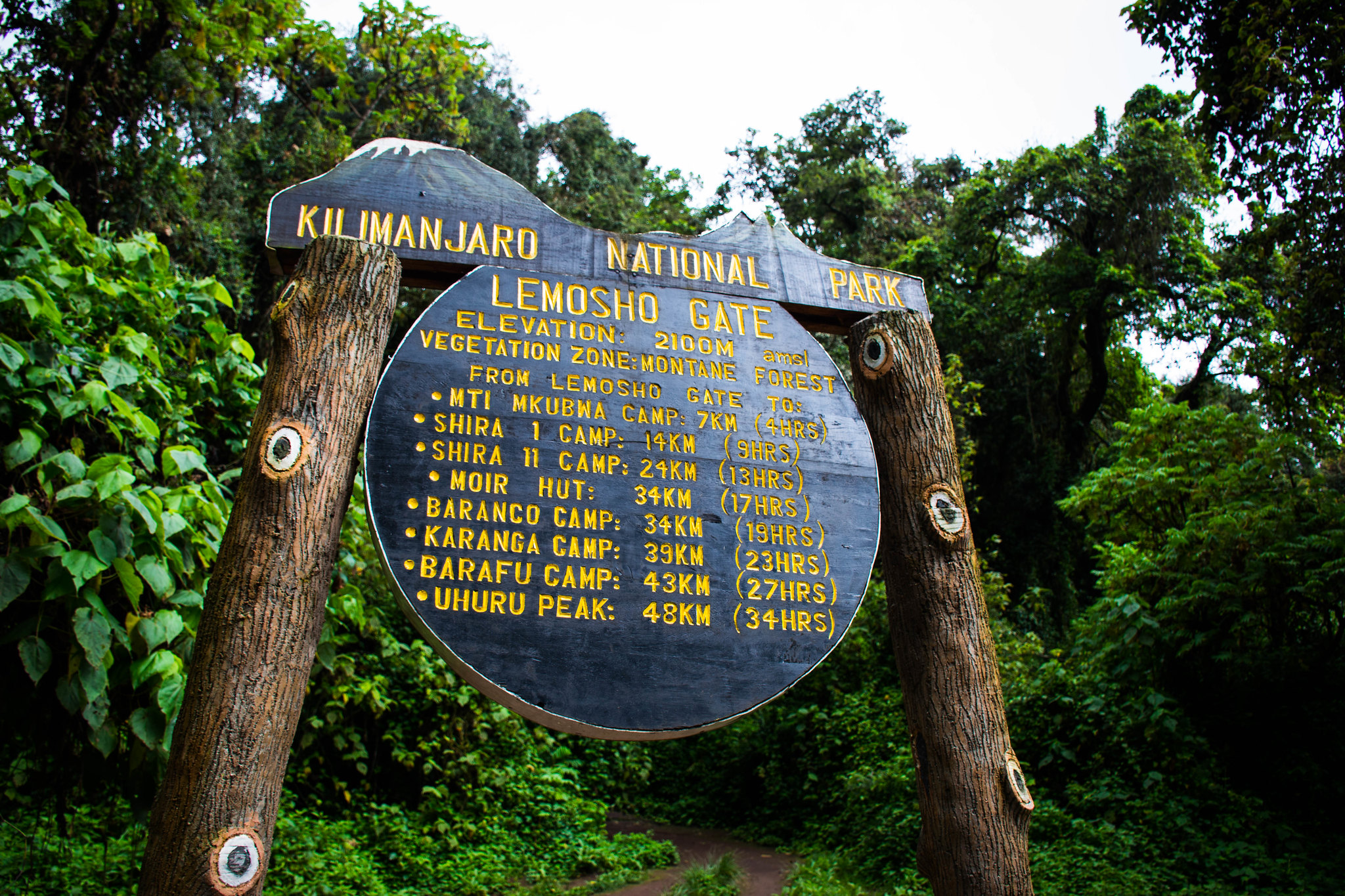
Habitat: Rainforest
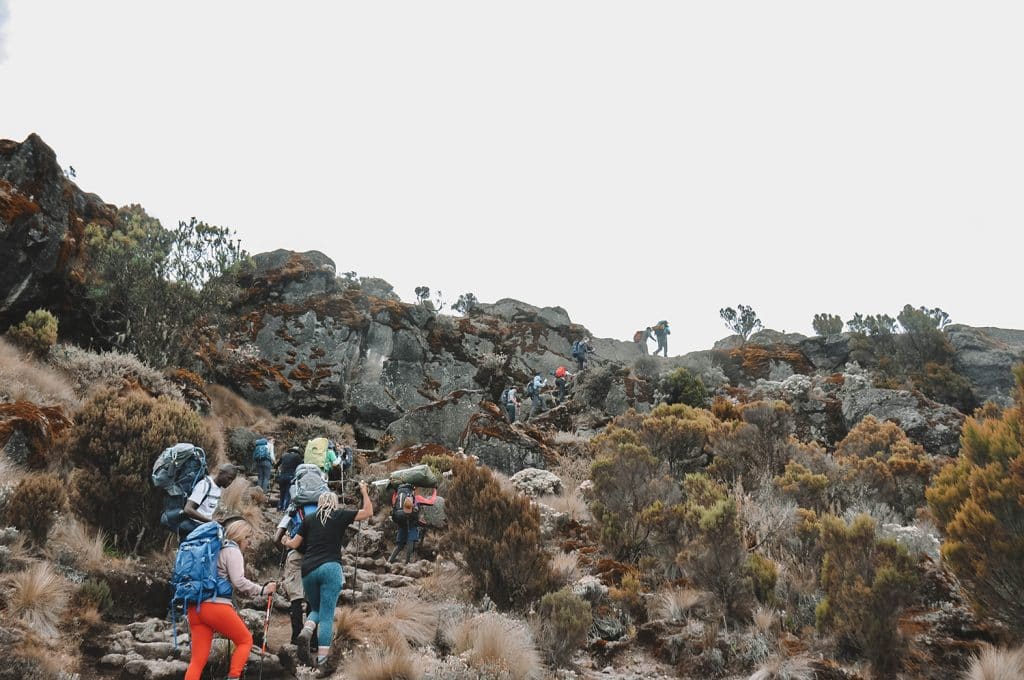
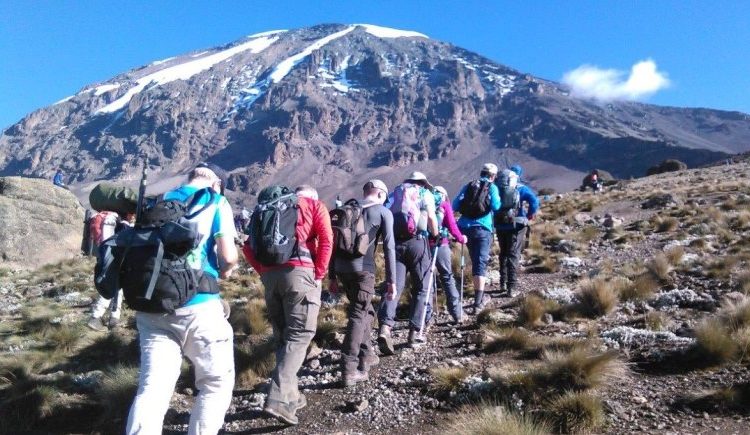
The trek begins with a steep climb through dense forest. The trail is narrow and less crowded, offering a remote experience.
Overnight: Umbwe Cave Camp
Day 2: Umbwe Cave Camp (2,850m) → Barranco Camp (3,950m)
Distance: 6 km
Hiking Time: 4–5 hours
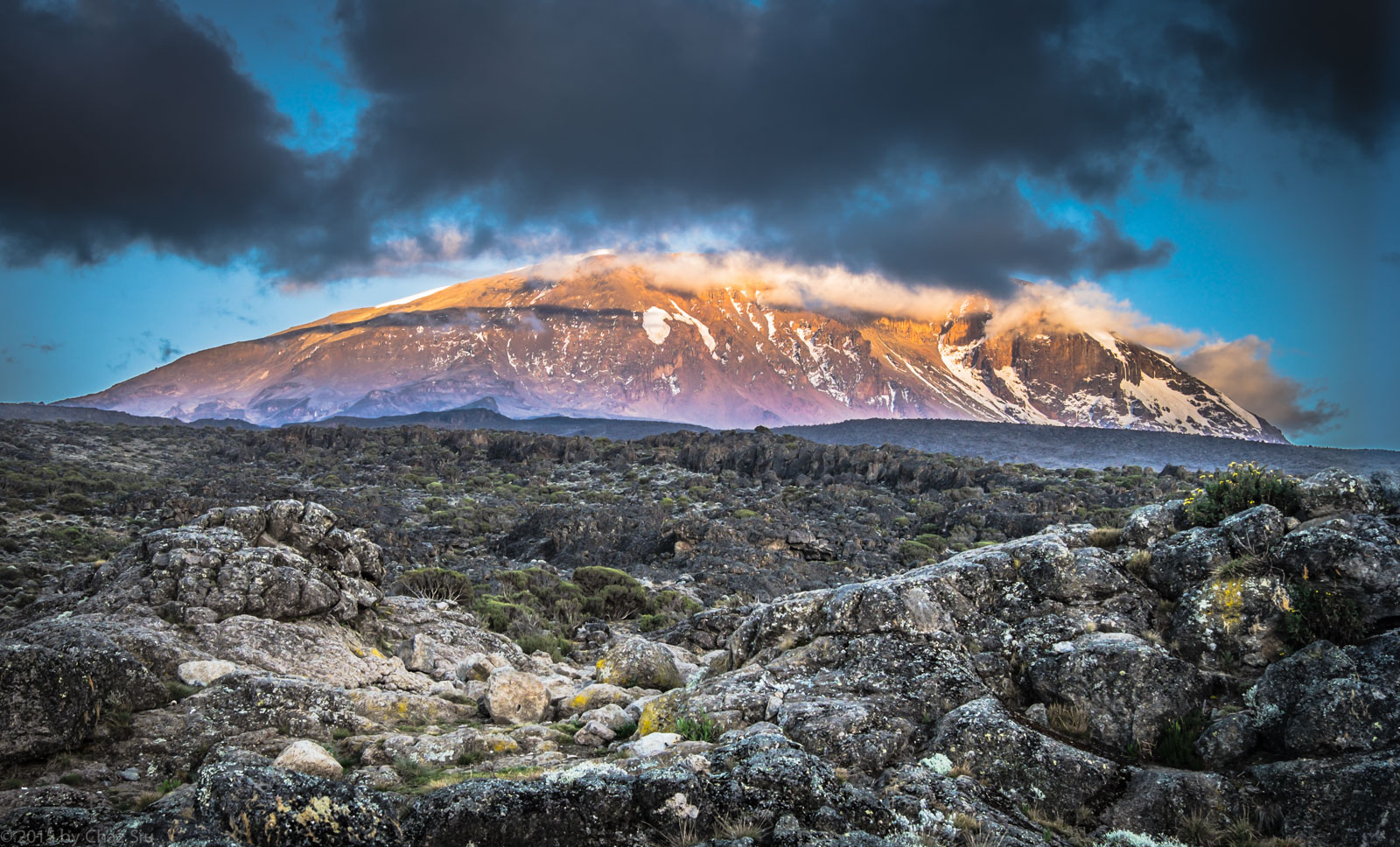
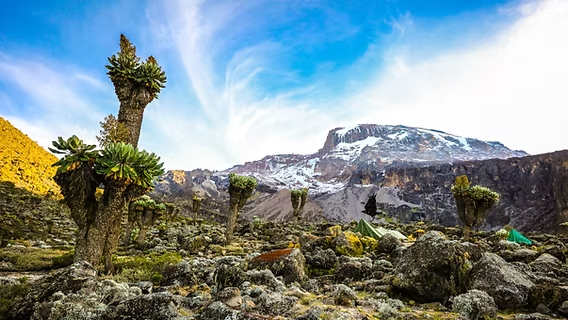
Habitat: Moorland
The trail ascends steeply, transitioning into moorland. The route joins the Machame Route at Barranco Camp.
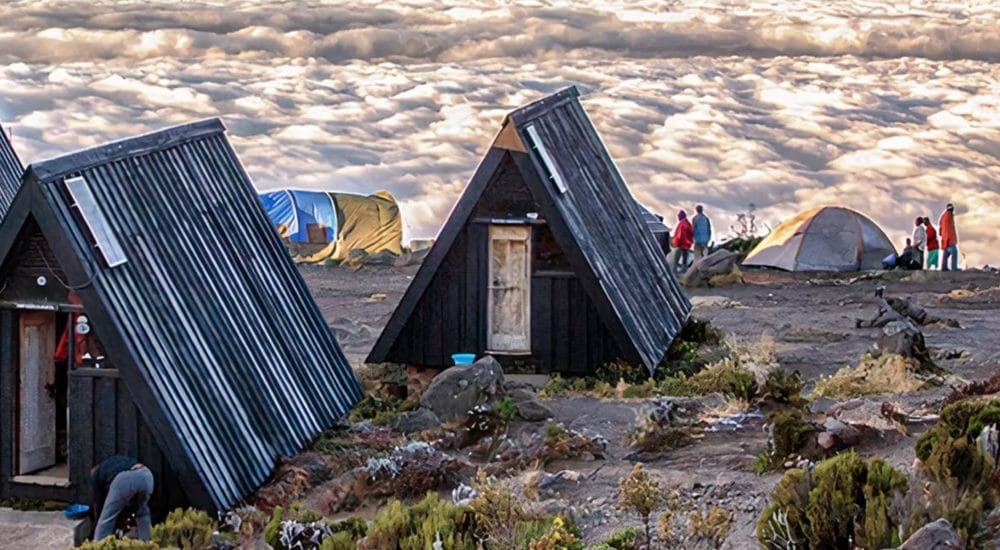
Overnight: Barranco Camp
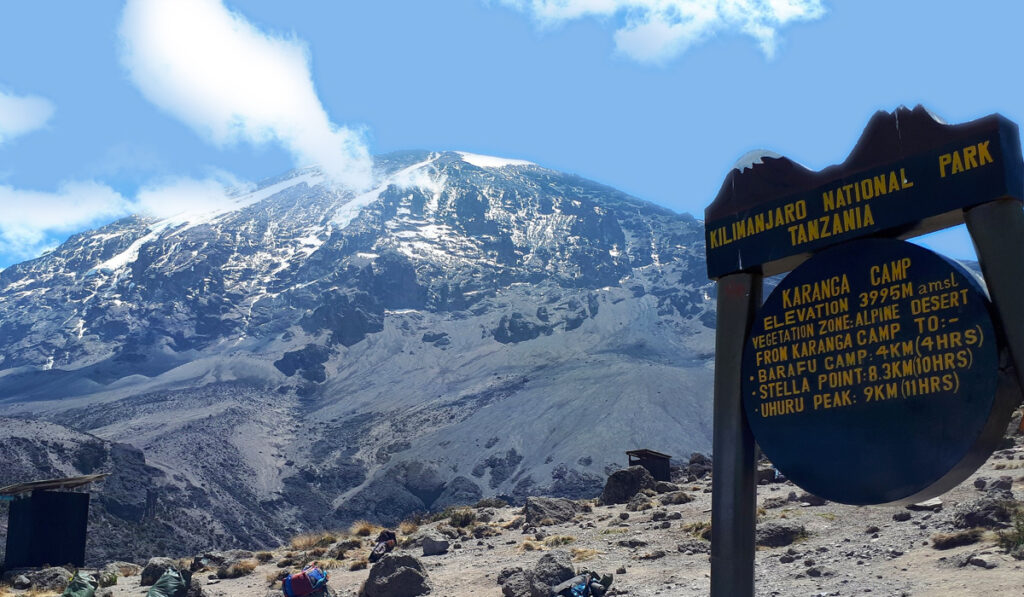
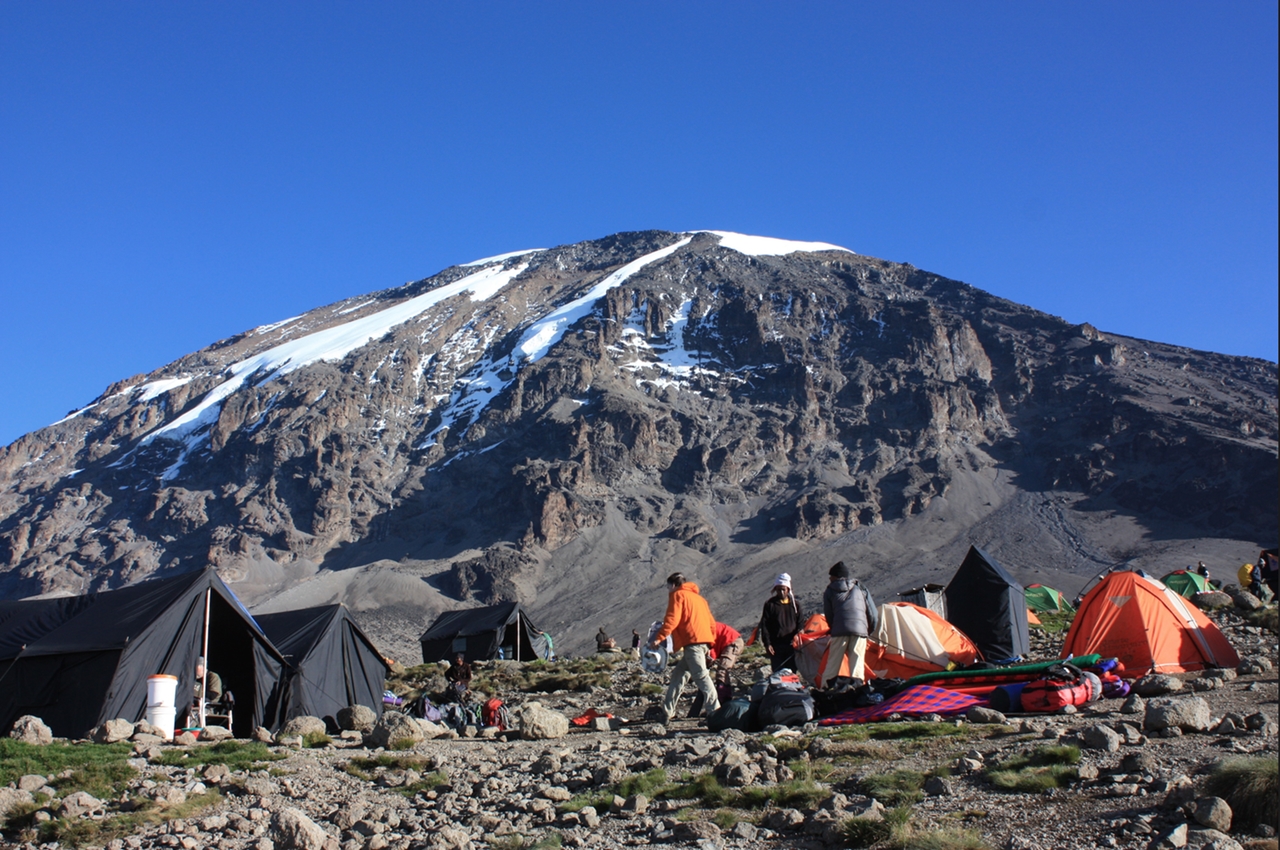
Day 3: Barranco Camp (3,950m) → Karanga Camp (4,035m)
Distance: 5 km
Hiking Time: 4–5 hours
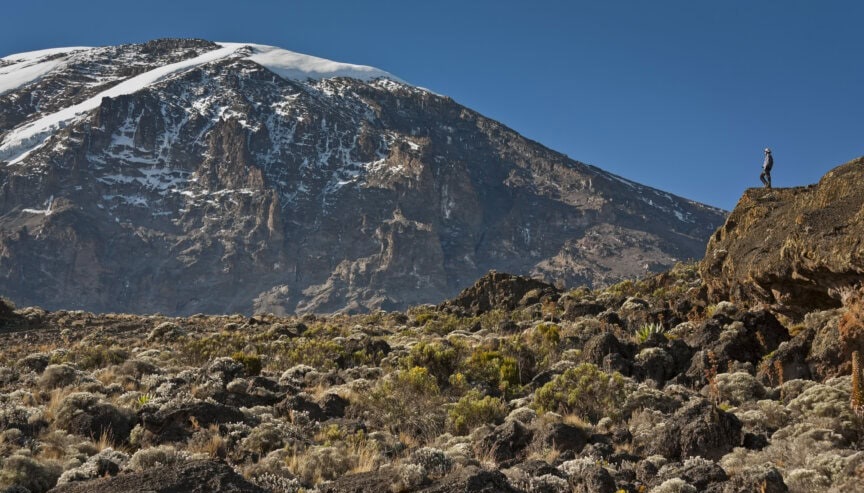
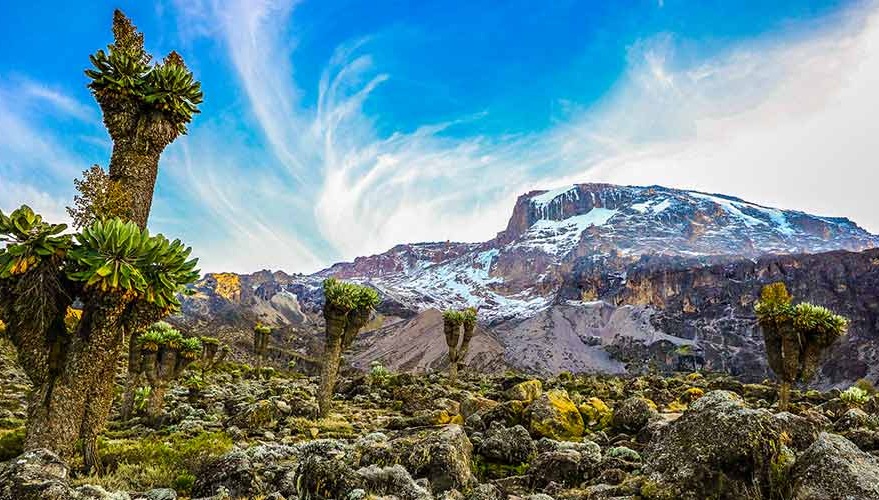
Habitat: Alpine desert
Climb the Barranco Wall and continue to Karanga Camp through ridges and valleys.
Overnight: Karanga Camp
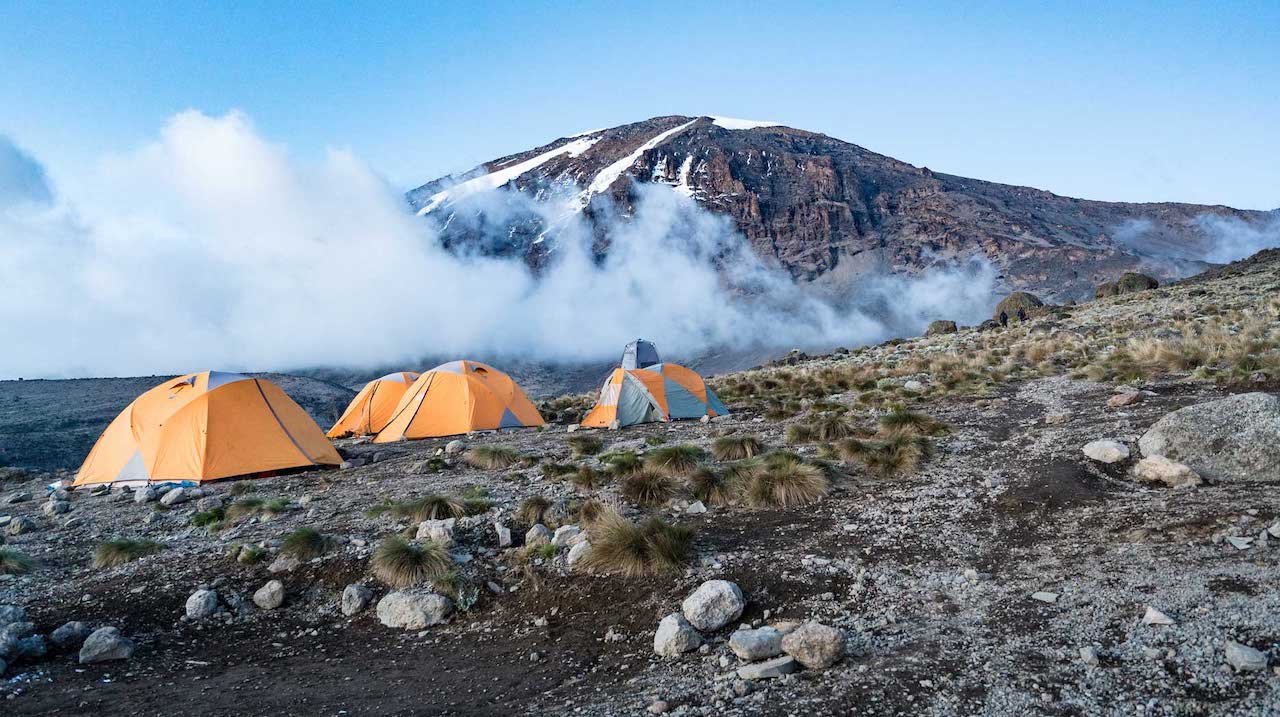
Day 4: Karanga Camp (4,035m) – Acclimatization Day
Distance: 4–5 km (optional hike)
Hiking Time: 3–4 hours
Habitat: Alpine desert
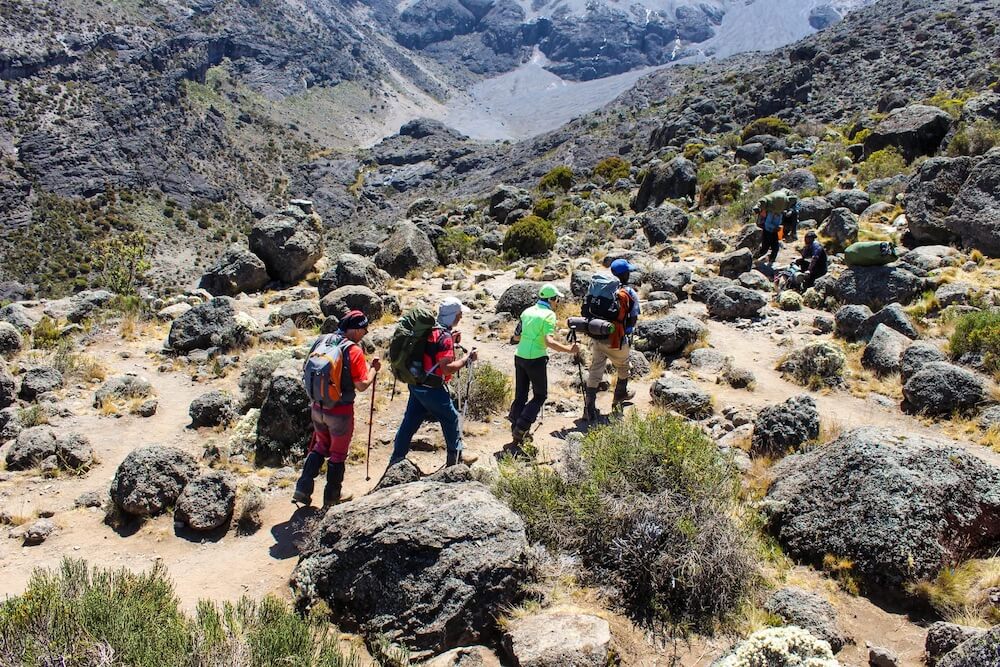
This extra day allows climbers to hike to a higher altitude and return to camp.
This improves acclimatization and prepares the body for the summit push.
Overnight: Karanga Camp
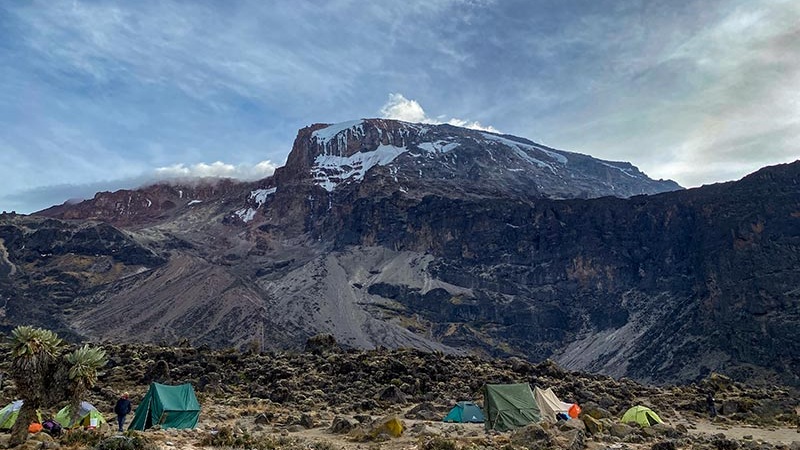
Day 5: Karanga Camp (4,035m) → Barafu Camp (4,640m)
Distance: 4 km
Hiking Time: 3–4 hours
Habitat: Alpine desert
A short climb leads to Barafu Camp. Rest and prepare for summit night.
Overnight: Barafu Camp
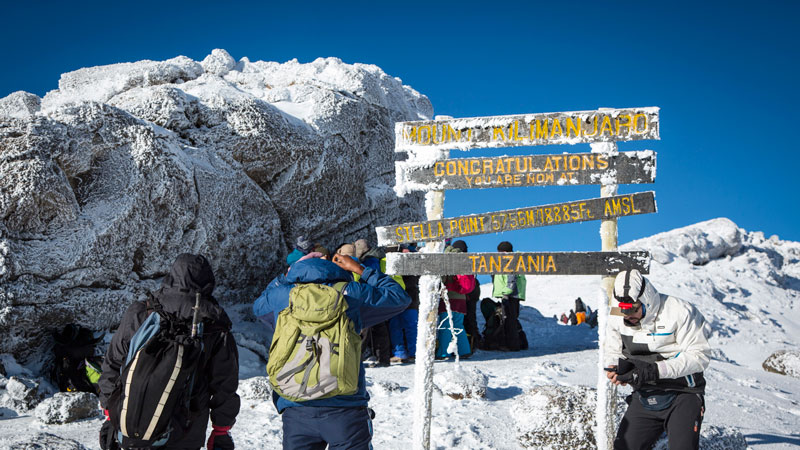
Day 6: Barafu Camp → Uhuru Peak (5,895m) → Mweka Camp (3,100m)
Distance: 17 km
Hiking Time: 10–14 hours
Habitat: Arctic → Moorland
Midnight summit attempt to Uhuru Peak. After reaching the summit, descend to Mweka Camp.
Overnight: Mweka Camp
Day 7: Mweka Camp (3,100m) → Mweka Gate (1,640m)
Distance: 10 km
Hiking Time: 4–5 hours
Habitat: Rainforest
Final descent through lush forest to Mweka Gate.
Receive certificates and celebrate your achievement.
✔ Better acclimatization
✔ Higher summit success rate
✔ Reduced altitude risk
✔ More manageable pace on a steep route