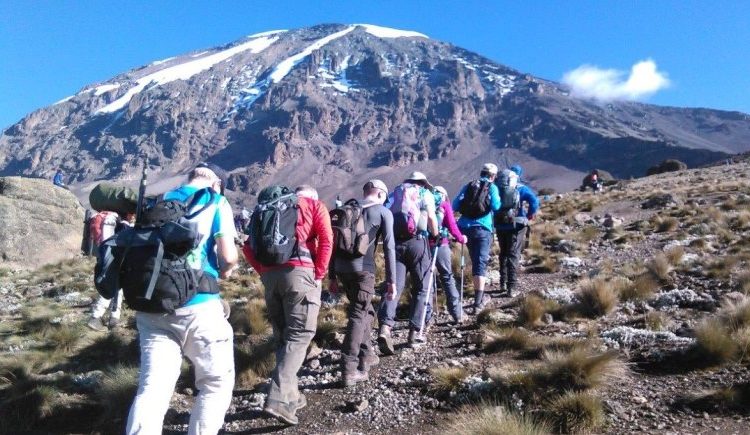
The Londorossi Route (western approach) is one of the most scenic and well-balanced ways to climb Mount Kilimanjaro. Beginning in a remote rainforest and crossing the vast Shira Plateau, this route offers a quieter start before joining the southern circuit.
With seven days on the mountain, climbers benefit from gradual acclimatization, manageable trekking distances, and a higher summit success rate, making it ideal for both beginners and experienced trekkers.
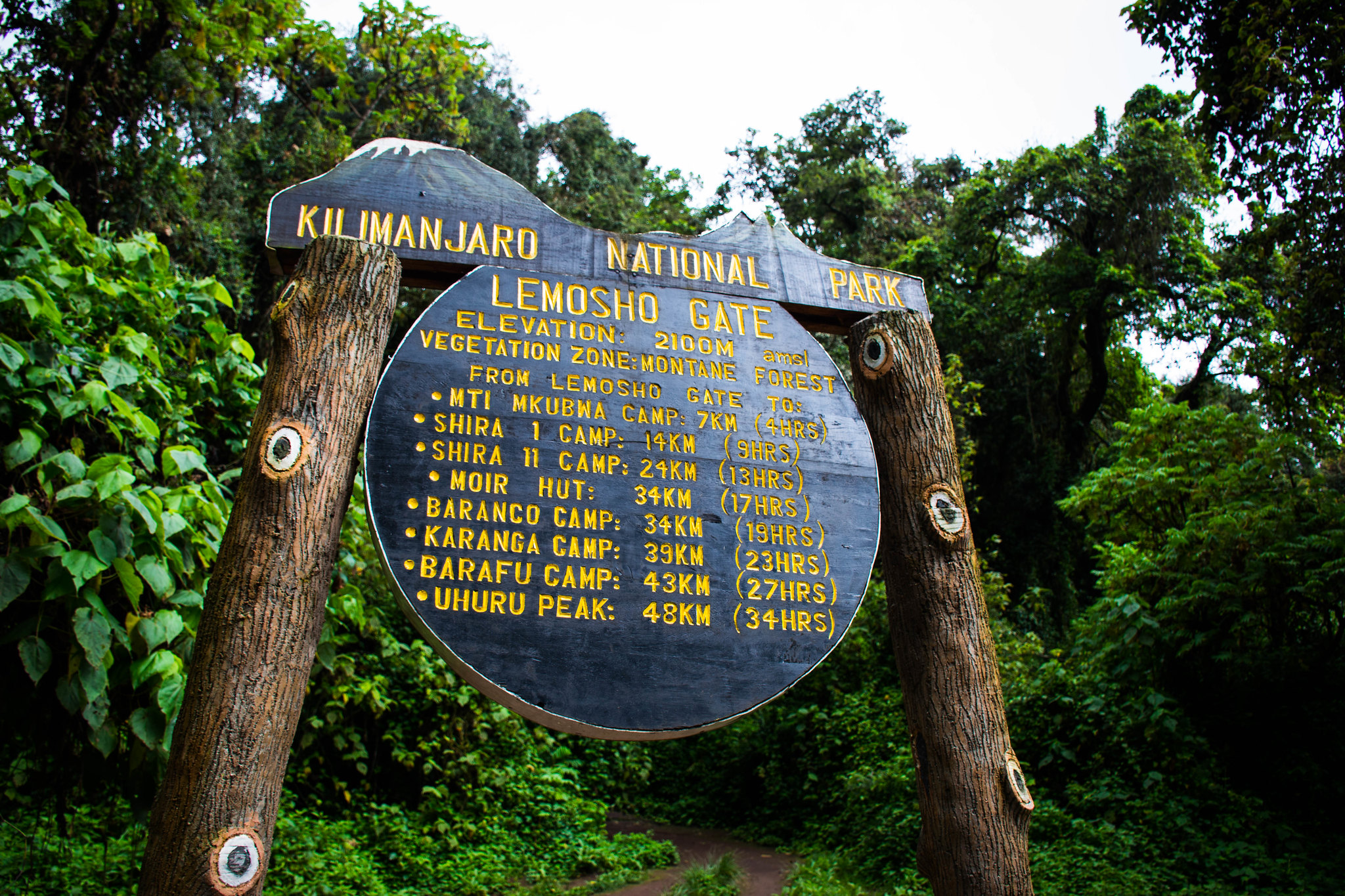
Day 1: Londorossi Gate (2,100m) → Mti Mkubwa Camp (2,650m)
Distance: 7 km | Hiking Time: 3–4 hours
Habitat: Rainforest
Your adventure begins with registration at Londorossi Gate, followed by a short drive to the trailhead. The trek starts in dense, untouched rainforest, where towering trees, hanging moss, and thick undergrowth create a magical atmosphere.
The trail is narrow and shaded, with soft forest floor underfoot. You may spot black-and-white colobus monkeys swinging through the canopy or hear the calls of tropical birds. The air is humid but fresh, providing a gentle introduction to the climb.
After a steady but relaxed hike, you arrive at Mti Mkubwa (“Big Tree”) Camp, a peaceful clearing surrounded by forest. Here, you settle in, enjoy your first hot meal on the mountain, and rest under the sounds of nature.
Day 2: Mti Mkubwa Camp (2,650m) → Shira 1 Camp (3,500m)
Distance: 8 km | Hiking Time: 5–6 hours
Habitat: Moorland
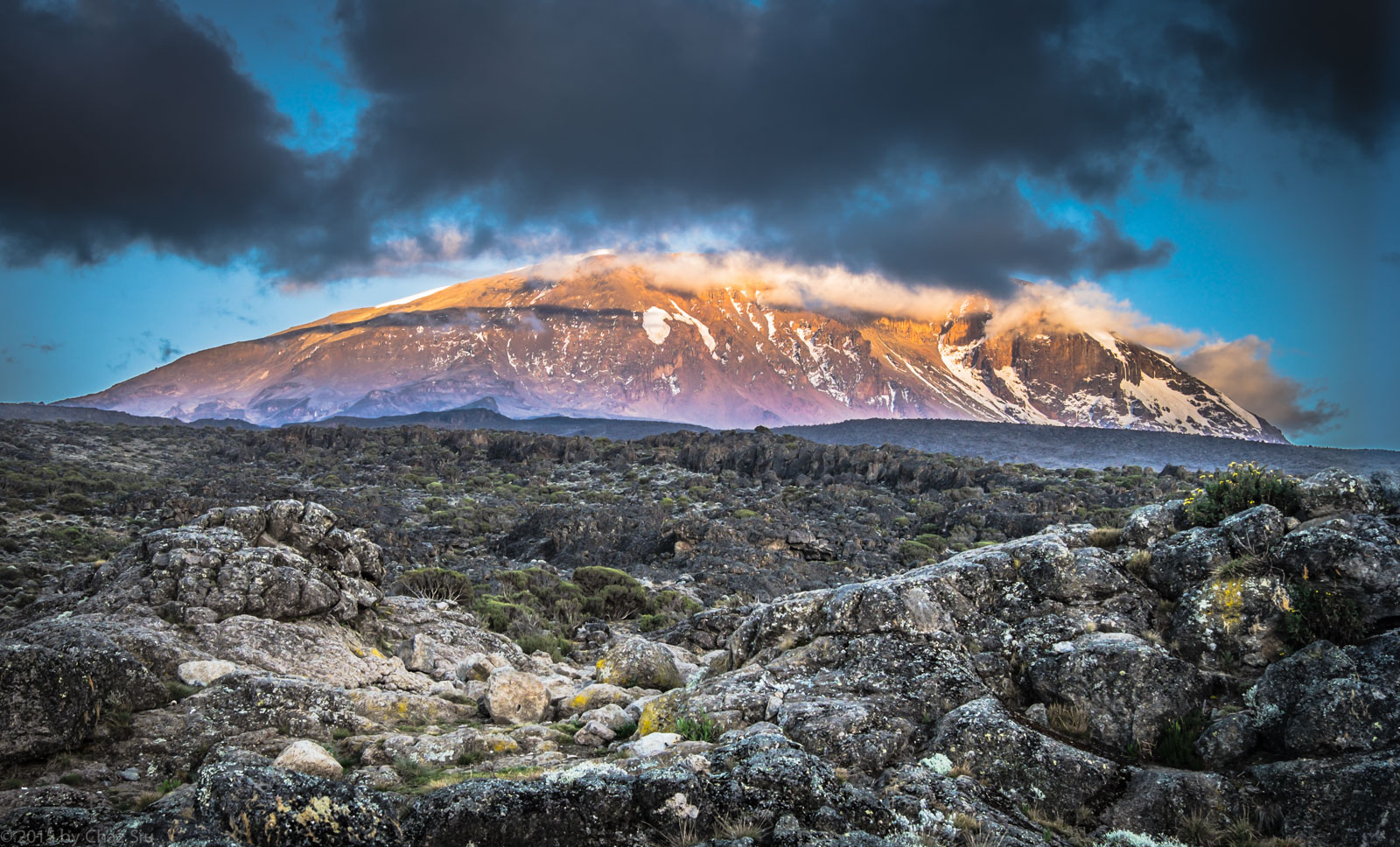
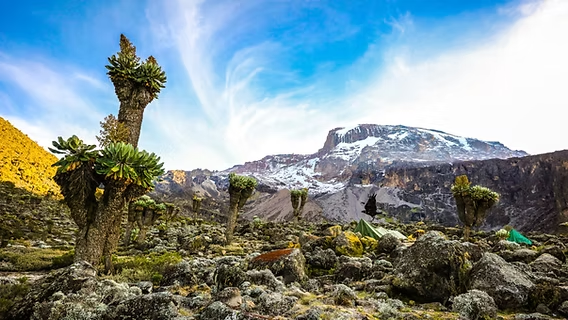
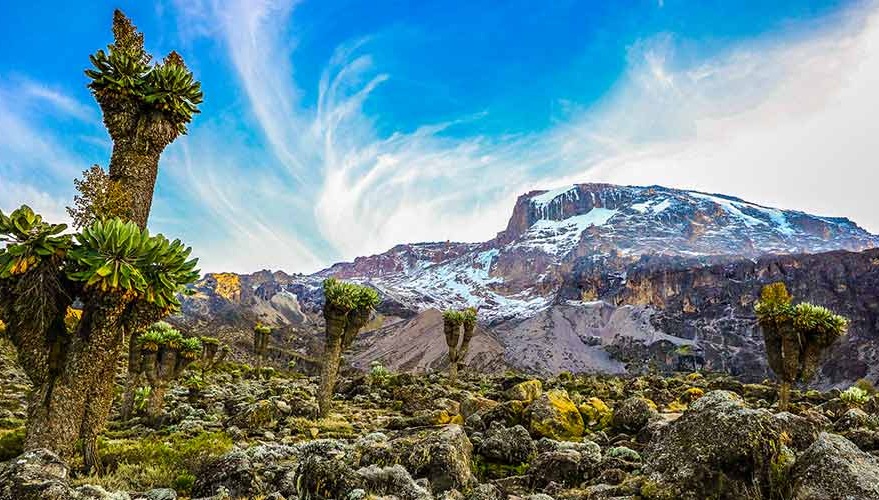
Leaving the forest behind, the trail climbs steadily into moorland. The landscape opens dramatically, revealing rolling hills, volcanic rocks, and giant heather plants.
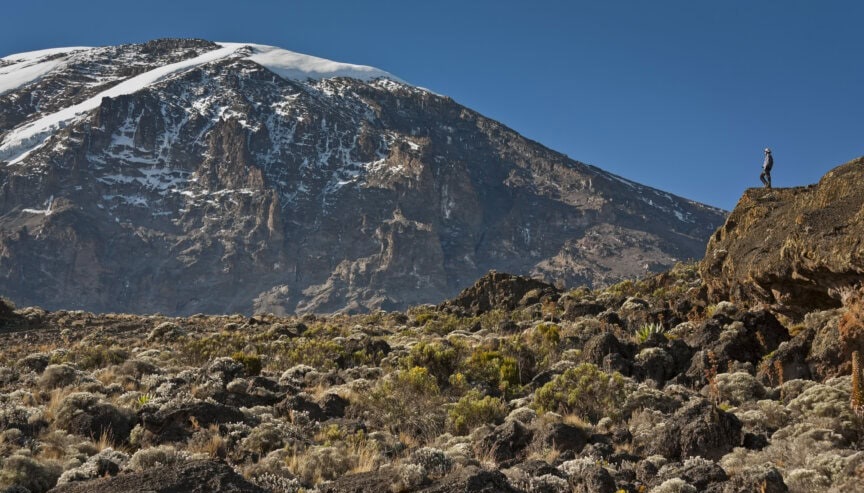
The air becomes cooler and drier, and the first signs of altitude may begin to appear. As you gain elevation, you are rewarded with your first clear views of Kibo Peak, rising above the plateau.
Shira 1 Camp is located on the western edge of the Shira Plateau, offering expansive views and stunning sunsets. The sense of space and openness here is truly breathtaking.
Day 3: Shira 1 Camp (3,500m) → Shira 2 Camp (3,840m)
Distance: 7 km | Hiking Time: 3–4 hours
Habitat: Moorland
This is a relatively easy and scenic day, designed to support acclimatization. The route crosses the Shira Plateau, one of the largest high-altitude plateaus in the world.
The terrain is wide and open, with low vegetation and volcanic rock formations stretching as far as the eye can see. The slow pace allows your body to adjust to the altitude while enjoying uninterrupted views of the mountain.
You arrive at Shira 2 Camp early, giving you time to rest, hydrate, and take in the panoramic surroundings.
Day 4: Shira 2 Camp → Lava Tower (4,630m) → Barranco Camp (3,950m)
Distance: 10 km | Hiking Time: 6–8 hours
Habitat: Semi-desert
Today is a key acclimatization day. The trail gradually ascends toward Lava Tower, a striking volcanic rock formation standing over 4,600 meters.
As you climb higher, the air becomes thinner, and the landscape turns rugged and barren. Reaching this altitude is challenging, but it plays a crucial role in helping your body adapt.
After spending some time at Lava Tower, you descend to Barranco Camp. This “climb high, sleep low” strategy significantly improves acclimatization.
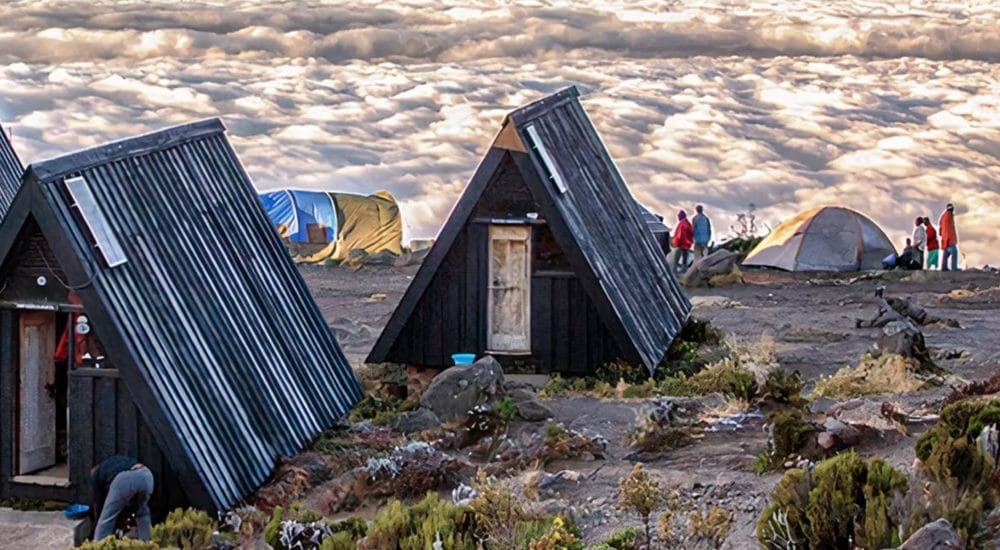
Barranco Camp is one of the most beautiful camps on the mountain, set in a valley surrounded by towering cliffs and giant senecio plants.
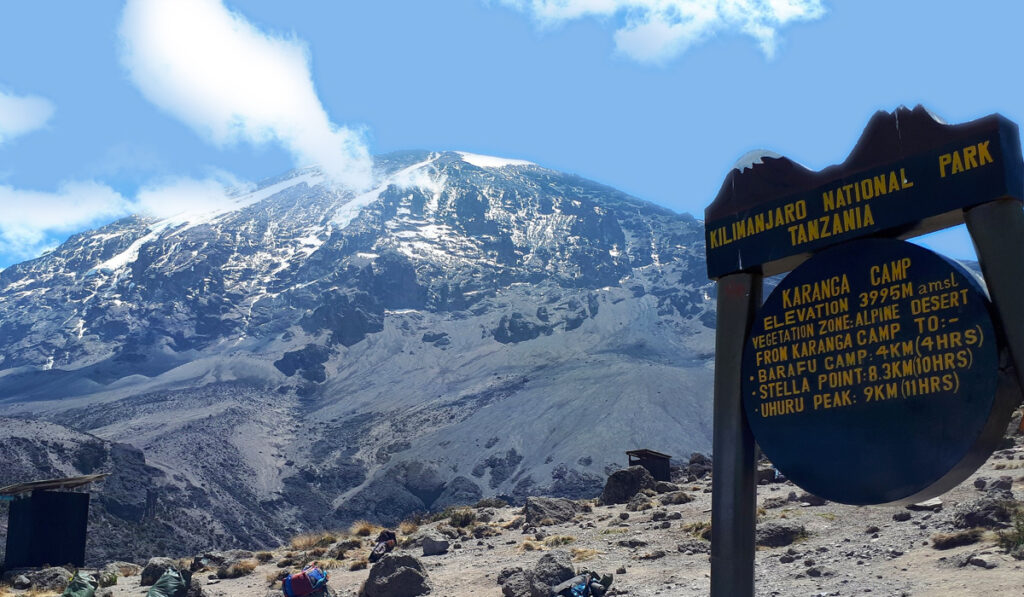
Day 5: Barranco Camp (3,950m) → Karanga Camp (4,035m)
Distance: 5 km | Hiking Time: 4–5 hours
Habitat: Alpine desert
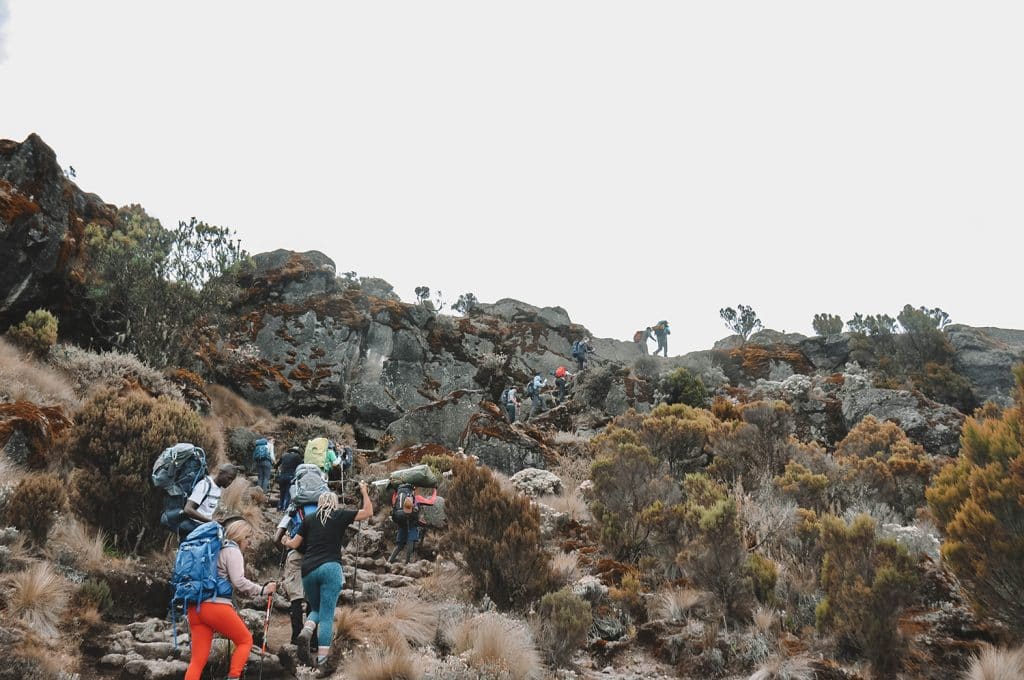
The day begins with the famous Barranco Wall, a steep but non-technical climb that requires some scrambling. Although it may look intimidating, it is safe and manageable with the guidance of your team.
At the top, you are rewarded with spectacular views of the valley below. The trail then continues along ridges and through small valleys before reaching Karanga Camp.
This is a shorter day, allowing for rest and recovery while continuing to adapt to the altitude.
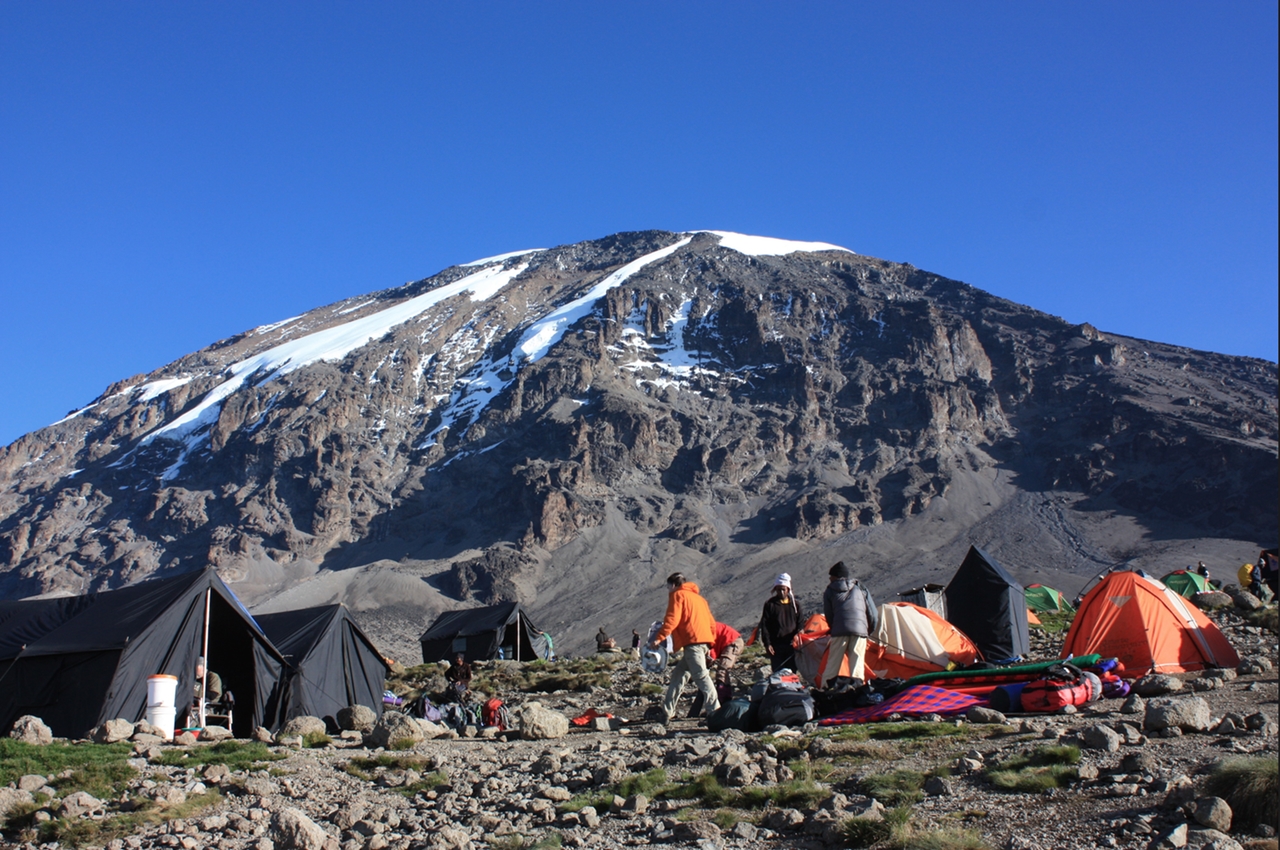
Day 6: Karanga Camp (4,035m) → Barafu Camp (4,640m)
Distance: 4 km | Hiking Time: 3–4 hours
Habitat: Alpine desert
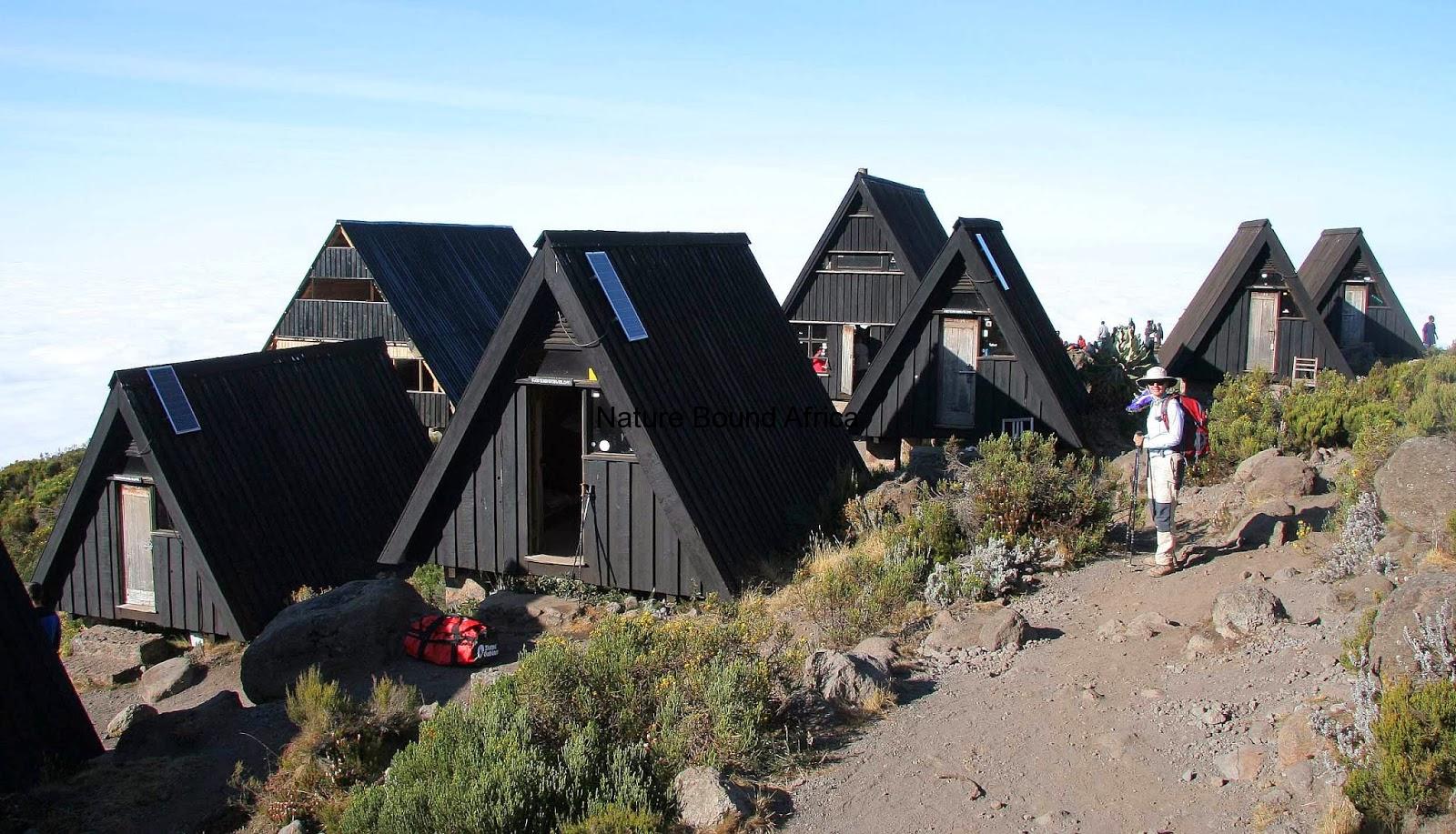
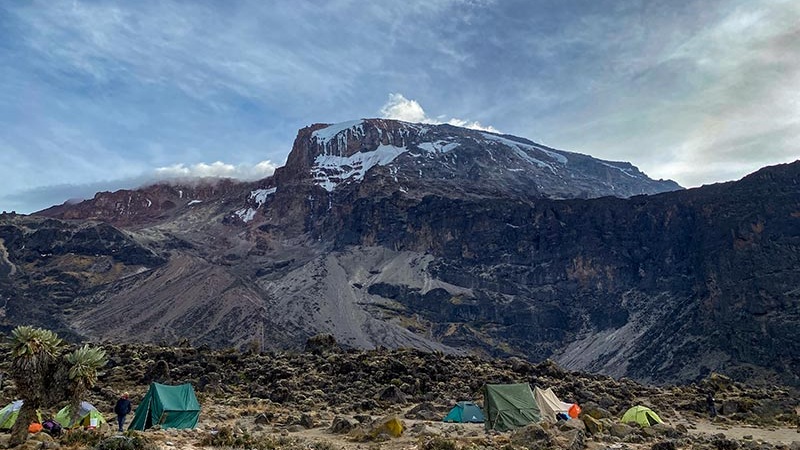
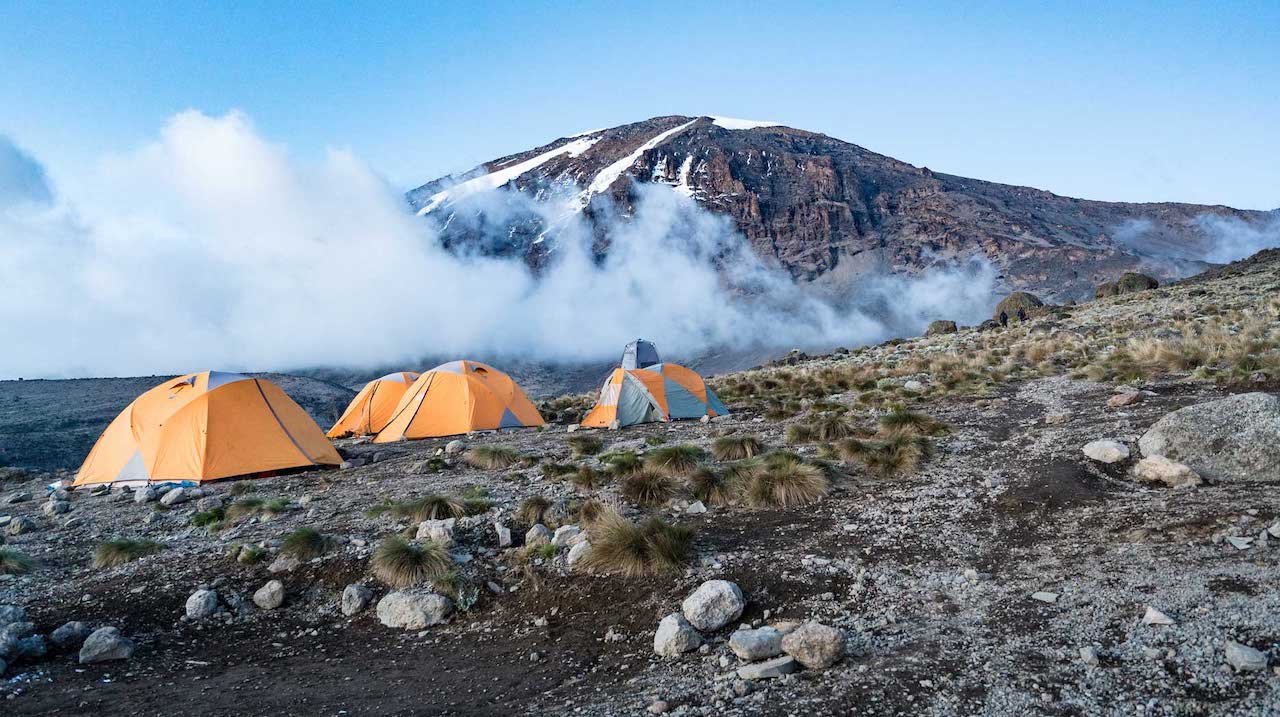
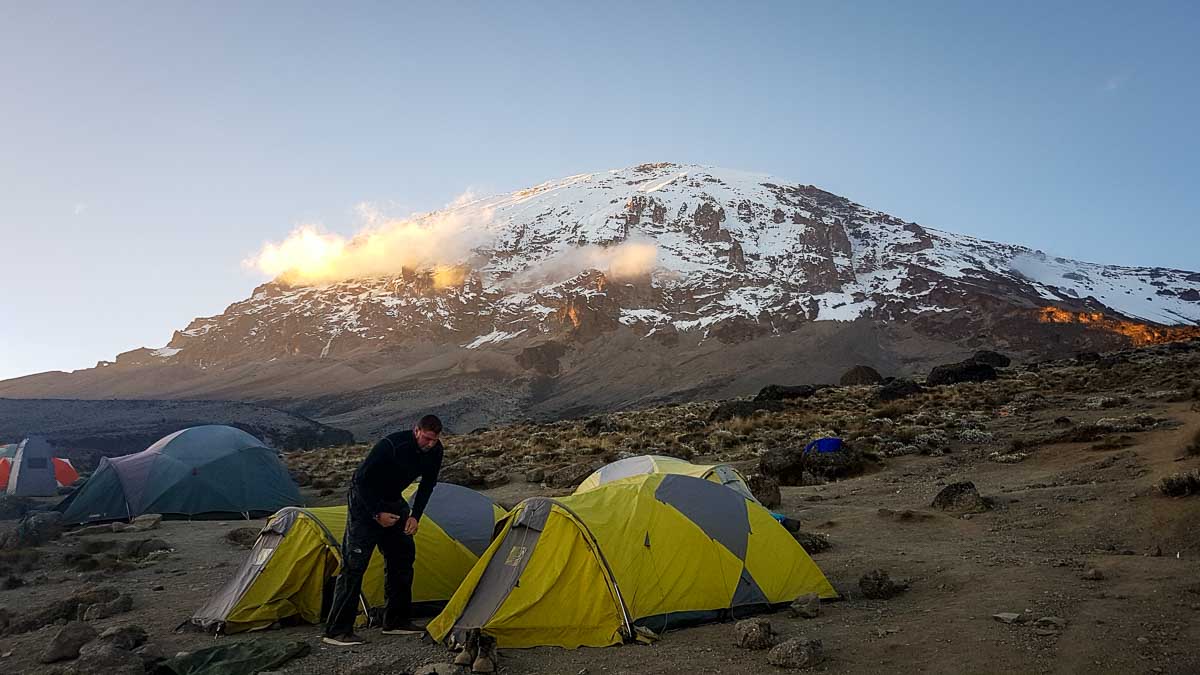
A steady climb leads you to Barafu Camp, the base camp for the summit attempt. The terrain is rocky, exposed, and windswept, with little vegetation.
Upon arrival, you will have an early dinner and take time to rest. Your guides will provide a detailed briefing for summit night, checking your gear and preparing you mentally and physically.
You will go to sleep early, as the summit attempt begins around midnight.
Day 7: Barafu Camp → Uhuru Peak (5,895m) → Mweka Gate (1,640m)
Distance: 22 km | Hiking Time: 12–15 hours
Habitat: Arctic → Rainforest
Summit night is the most challenging and rewarding part of the journey. You begin your ascent in the cold, dark early hours, moving slowly and steadily under a sky full of stars.
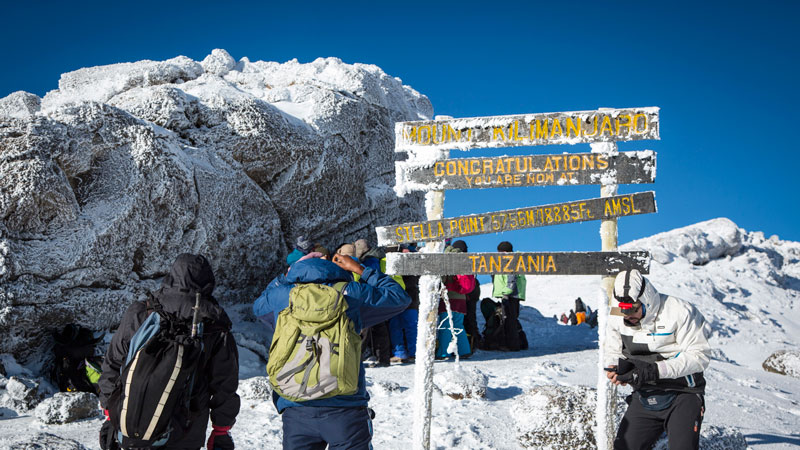
The climb is steep and demanding, but with determination, you reach Stella Point at sunrise. From here, the trail follows the crater rim to Uhuru Peak, the highest point in Africa.
Standing at the summit of Mount Kilimanjaro is an unforgettable achievement.
After celebrating and taking photos, you begin the descent back to Barafu Camp for a short rest, then continue down through moorland and rainforest to Mweka Gate.
This final day is long and physically demanding, but filled with a deep sense of accomplishment.
✔ Better Acclimatization – Gradual ascent helps your body adjust to altitude on Mount Kilimanjaro
✔ Higher Success Rate – More time increases chances of reaching Uhuru Peak
✔ Comfortable Pace – Shorter daily hikes reduce fatigue
✔ Scenic Experience – Enjoy rainforest, Shira Plateau, and Barranco Valley
✔ Less Crowded Start – Quieter western approach
👉 Best for: Most climbers seeking a safe, scenic, and successful climb