The Londorossi Route (western approach) offers one of the most scenic and less crowded beginnings to climbing Mount Kilimanjaro. Starting from the lush rainforest on the western slopes, the trail quickly opens into the vast Shira Plateau before joining the southern circuit.
This 6-day version is designed for strong, experienced trekkers who can handle a faster ascent. While it delivers incredible landscapes and adventure, the shorter duration means less time for acclimatization.
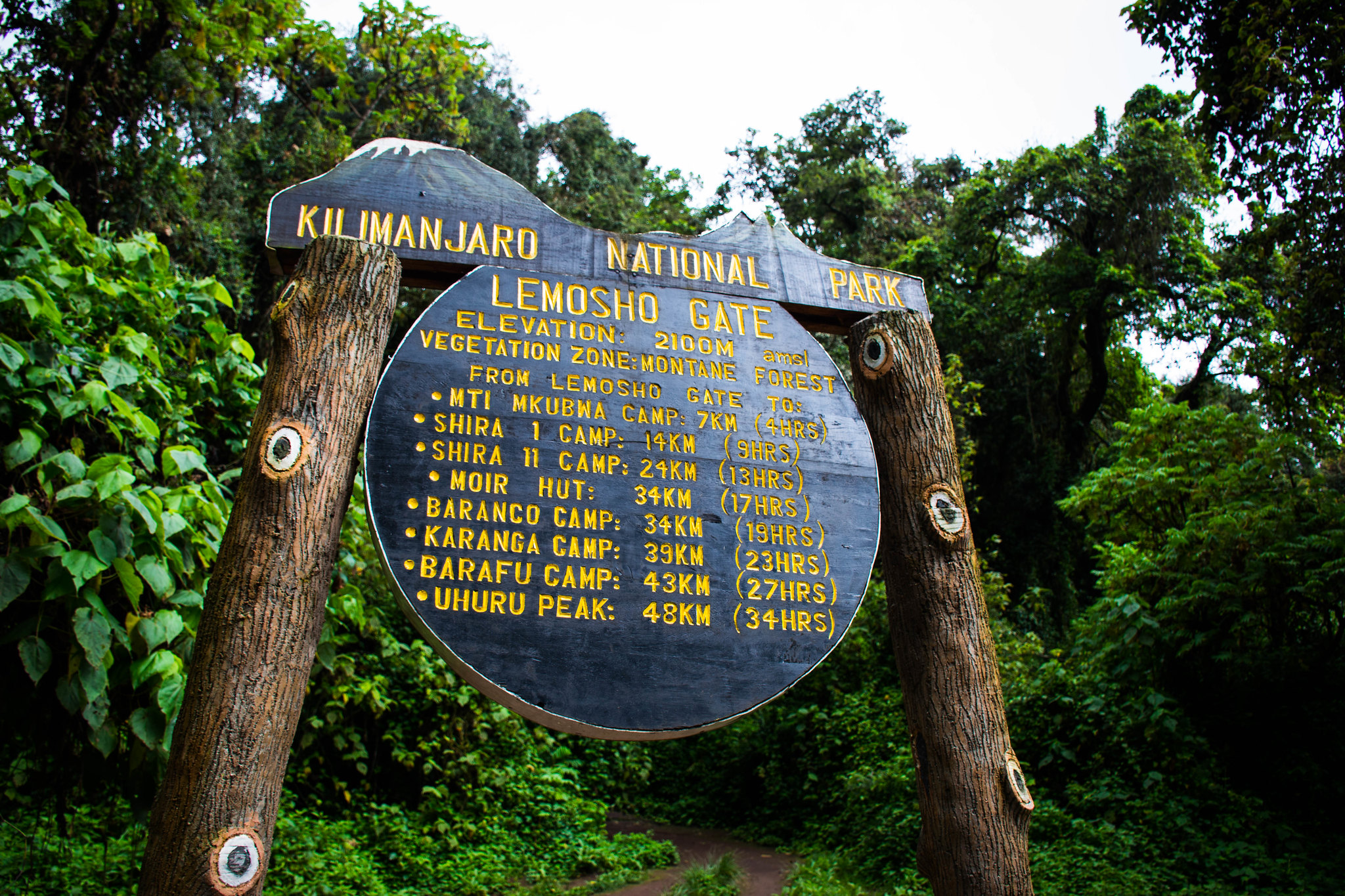
Day 1: Londorossi Gate (2,100m) → Mti Mkubwa Camp (2,650m)
Distance: 7 km | 3–4 hours
Habitat: Dense rainforest
After completing park formalities, a short drive takes you deeper into the forest to begin your trek. The trail winds through thick rainforest filled with towering trees, hanging moss, and rich undergrowth.
The atmosphere is humid and alive with sounds of birds and wildlife—colobus monkeys are often spotted leaping through the canopy. The path is gentle but can be muddy, especially after rain.
By late afternoon, you arrive at Mti Mkubwa (“Big Tree”) Camp, surrounded by forest. This peaceful setting provides a calm and sheltered first night on the mountain.
Day 2: Mti Mkubwa Camp (2,650m) → Shira 1 Camp (3,500m)
Distance: 8 km | 5–6 hours
Habitat: Moorland
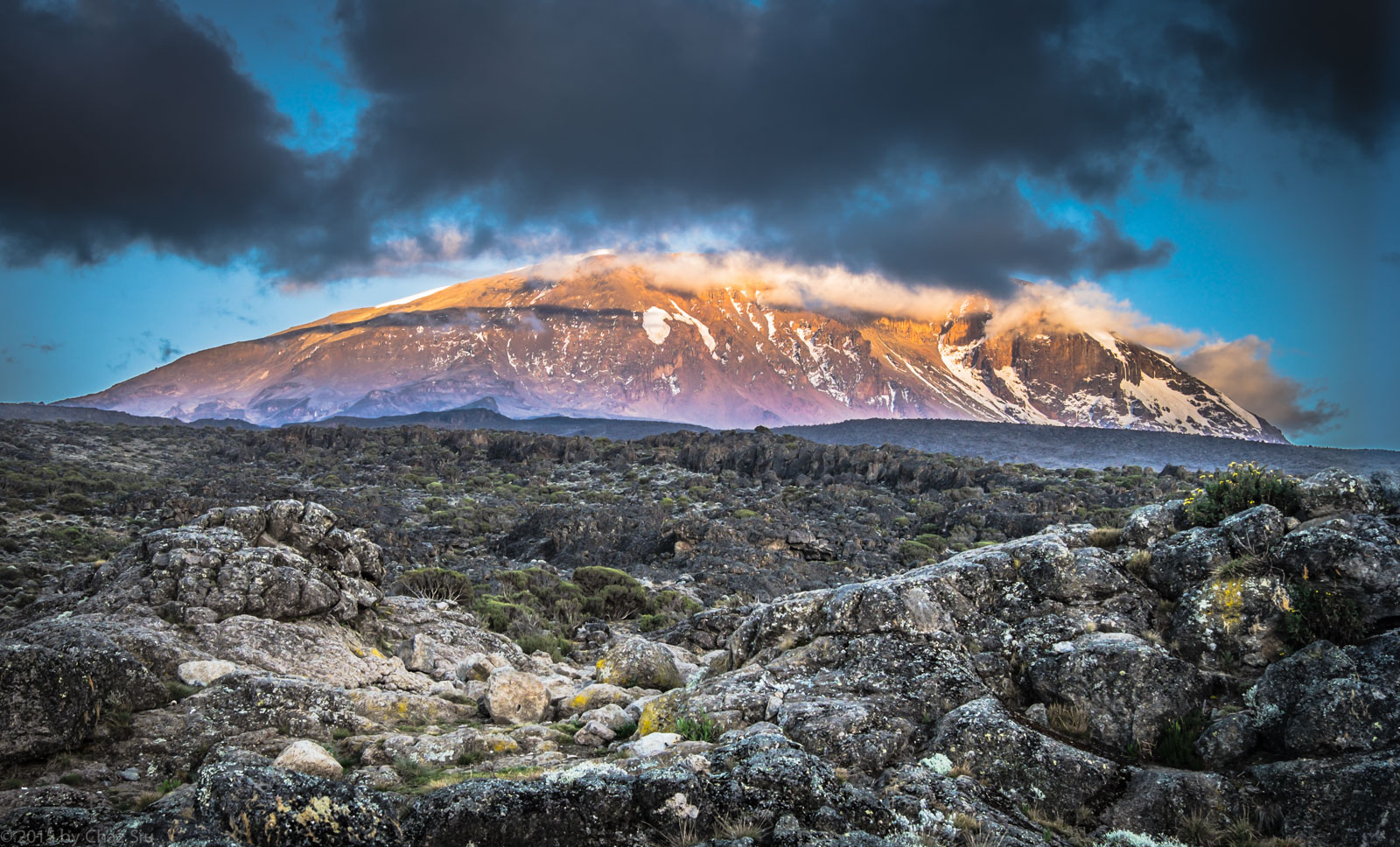
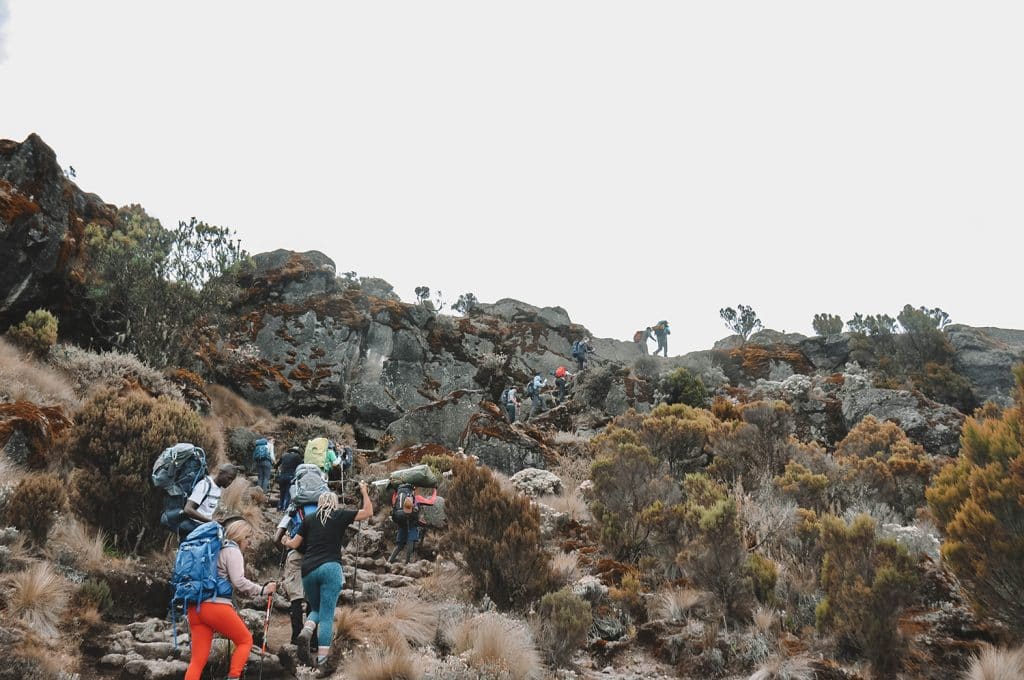
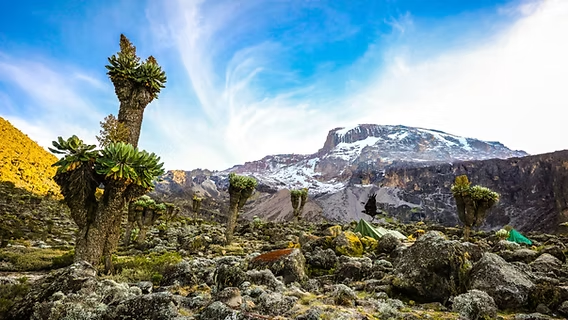
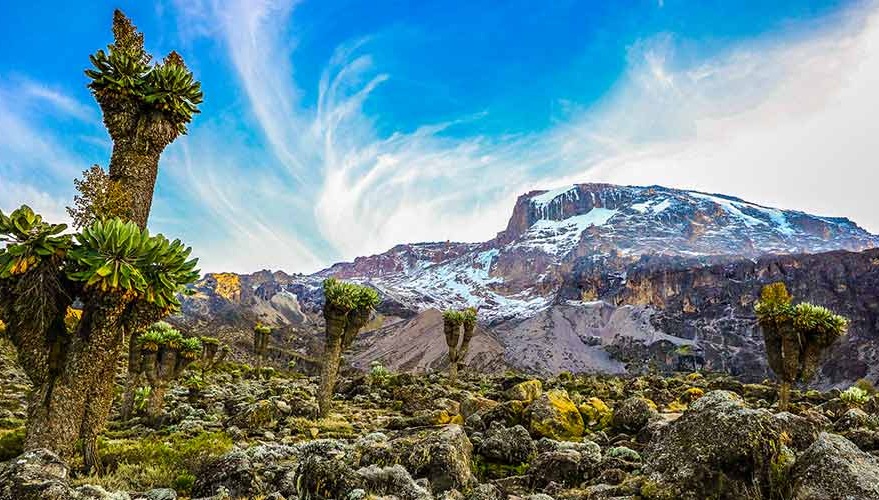
The forest gradually thins as you ascend, giving way to open moorland. The change in landscape is dramatic—giant heathers, volcanic rocks, and wide skies replace the dense greenery.
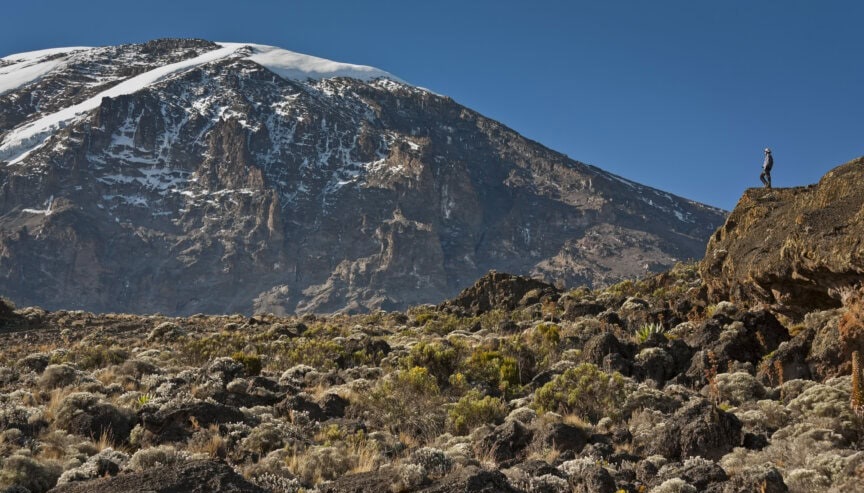
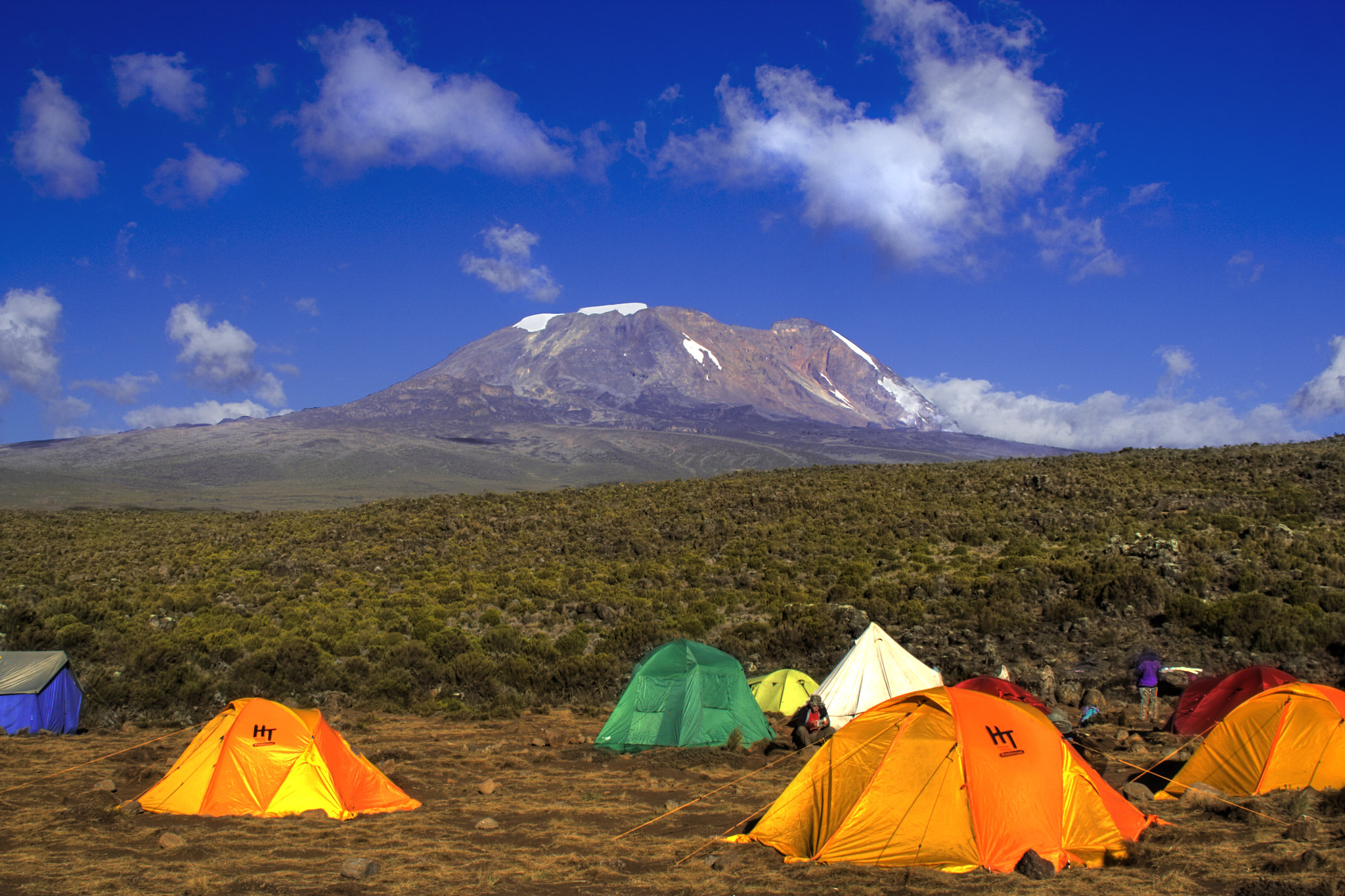
The climb is steady and more noticeable today, with a significant gain in altitude. As you emerge fully onto the Shira Plateau, the views expand dramatically, revealing vast open terrain and your first clear sight of Kibo Peak.
Shira 1 Camp sits on the edge of the plateau, offering a breathtaking sunset over the plains.
Day 3: Shira 1 Camp (3,500m) → Shira 2 Camp (3,840m)
Distance: 7 km | 3–4 hours
Habitat: Moorland
This is a relatively gentle day, designed to help your body acclimatize. The trail crosses the expansive Shira Plateau—one of the most scenic and unique features of Kilimanjaro.
The terrain is wide and open, with low vegetation and volcanic rock formations. The slow pace allows you to fully absorb the beauty of the surroundings while your body adjusts to the altitude.
Arriving early at Shira 2 Camp gives you time to rest, hydrate, and prepare for the more demanding days ahead.
Day 4: Shira 2 Camp → Lava Tower (4,630m) → Barranco Camp (3,950m)
Distance: 10 km | 6–8 hours
Habitat: Semi-desert
This is one of the most important acclimatization days. The trail climbs steadily toward Lava Tower, a towering volcanic rock formation standing over 4,600 meters.
At this altitude, the air is noticeably thinner, and you may begin to feel the effects of altitude. After spending some time here, you descend to Barranco Camp.
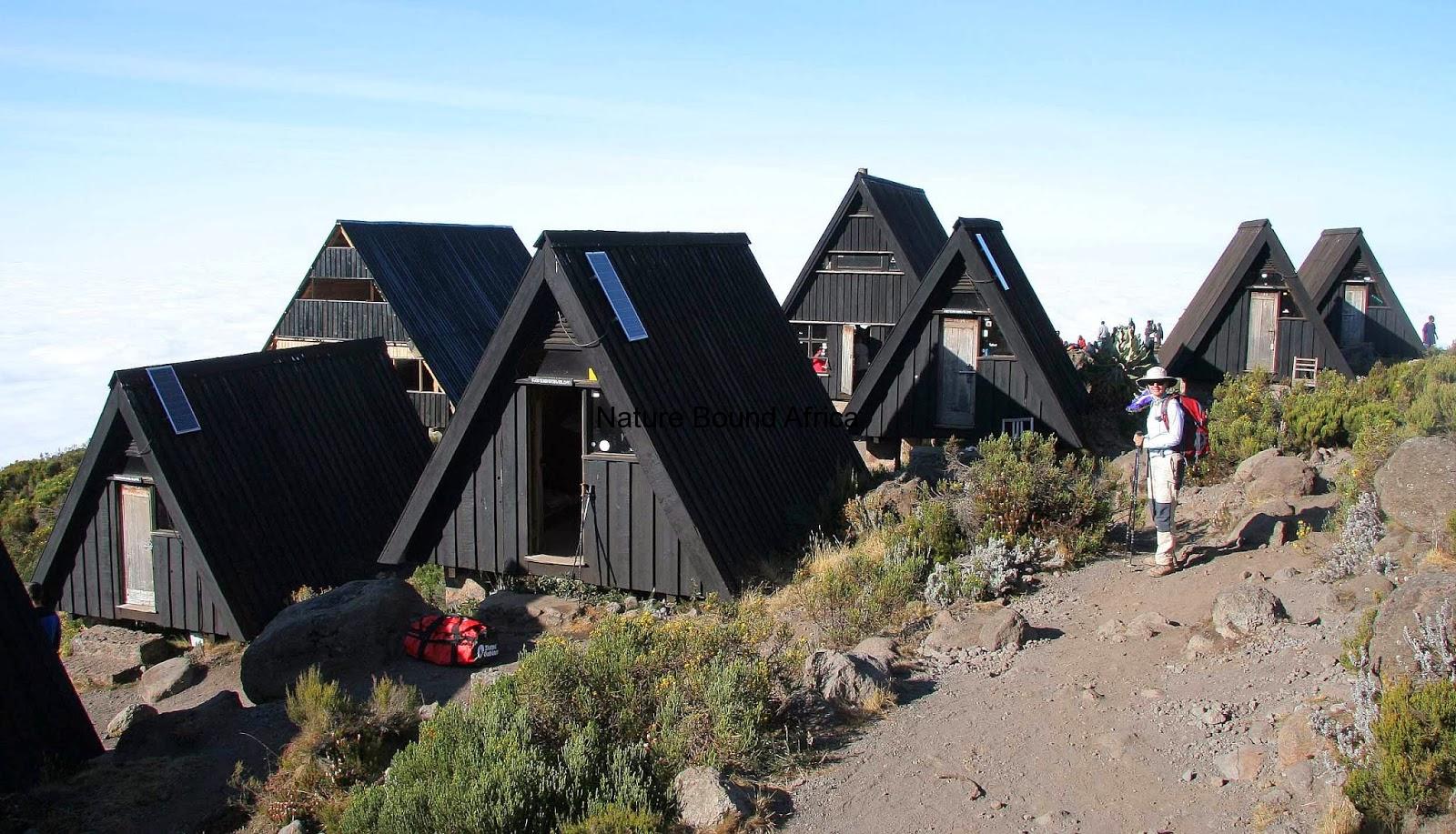
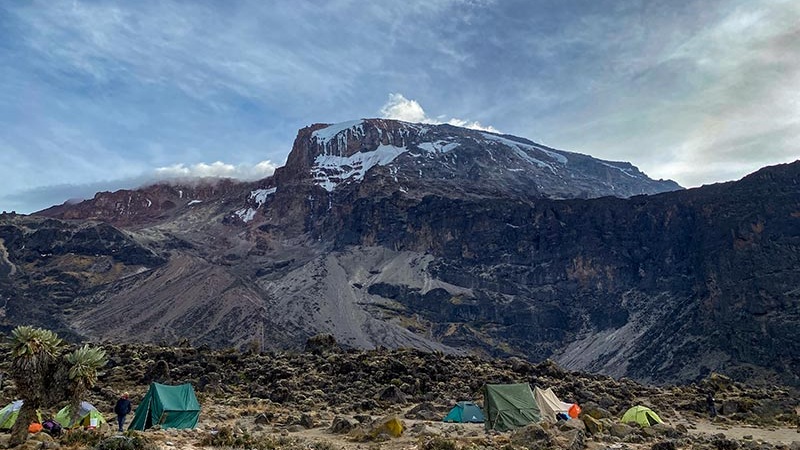
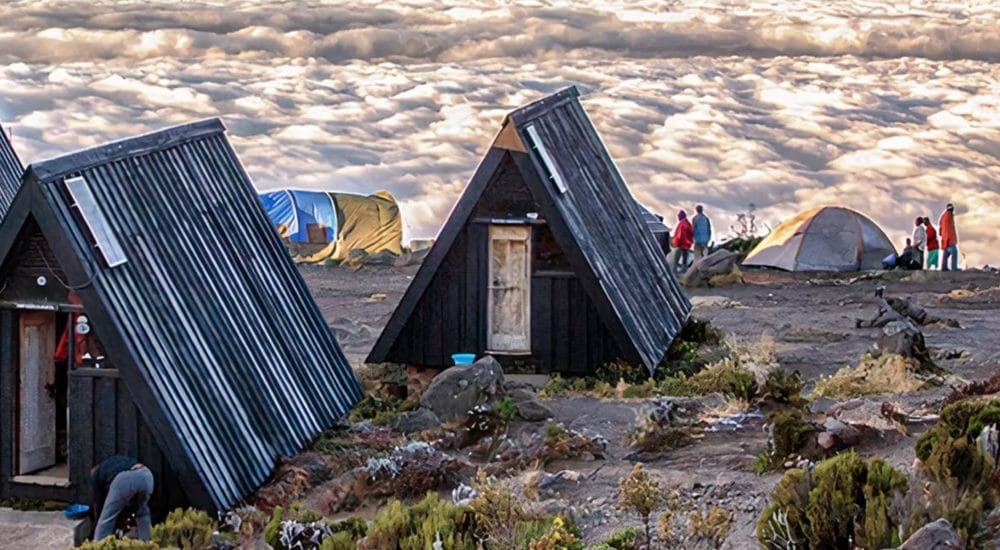
This “climb high, sleep low” approach helps your body adapt effectively. The Barranco Valley is lush compared to the surrounding terrain, with giant senecio plants and dramatic cliffs creating one of the most beautiful campsites on the mountain.
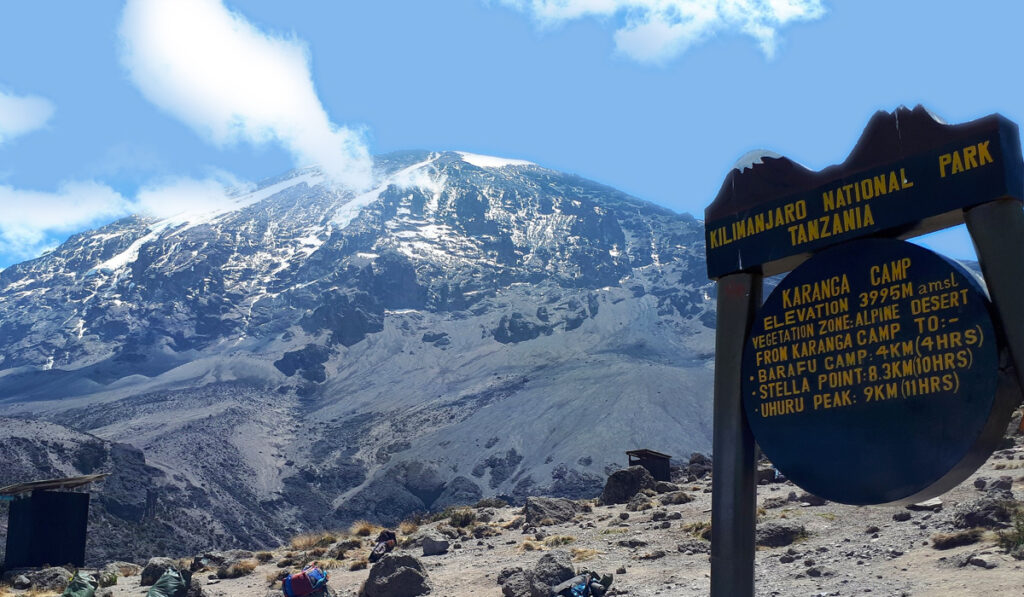
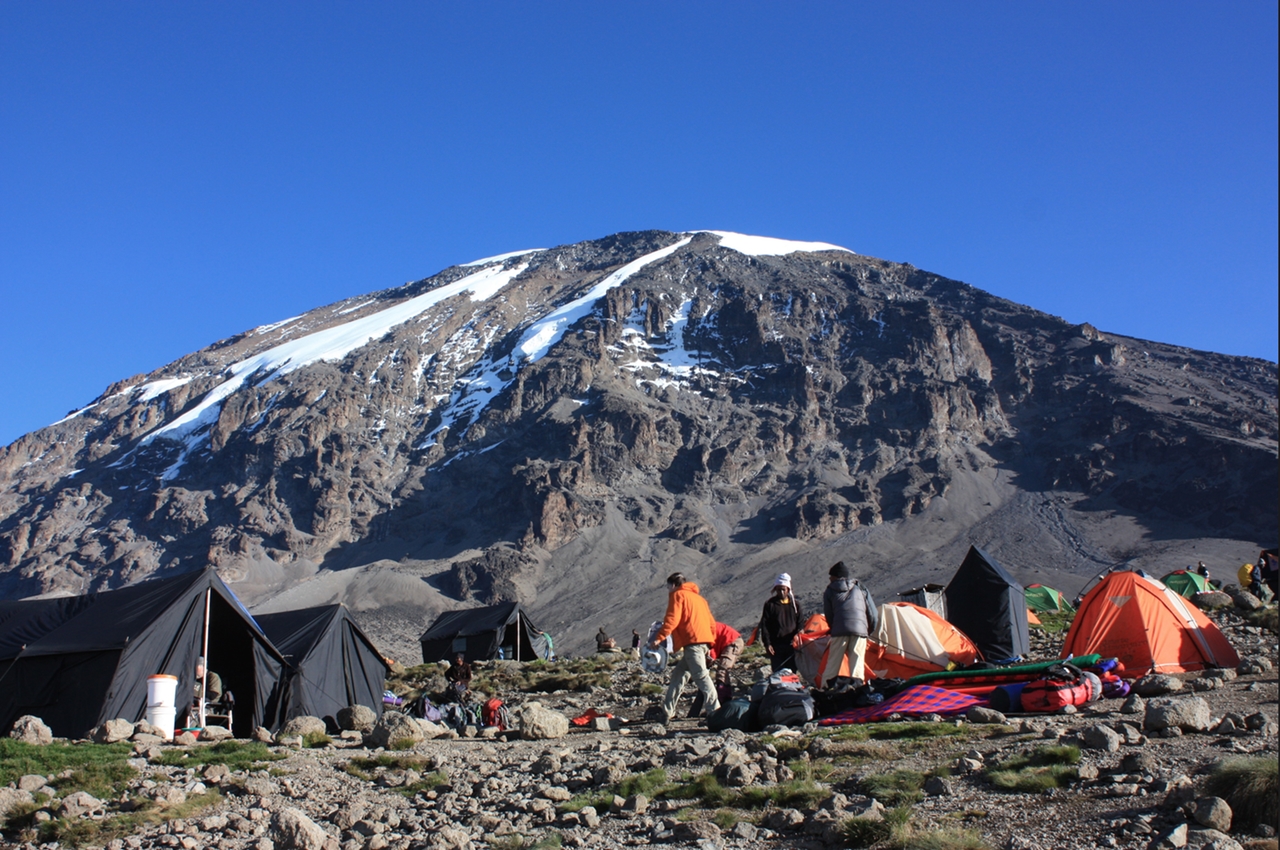
Day 5: Barranco Camp → Barafu Camp (4,640m)
Distance: 9 km | 6–8 hours
Habitat: Alpine desert
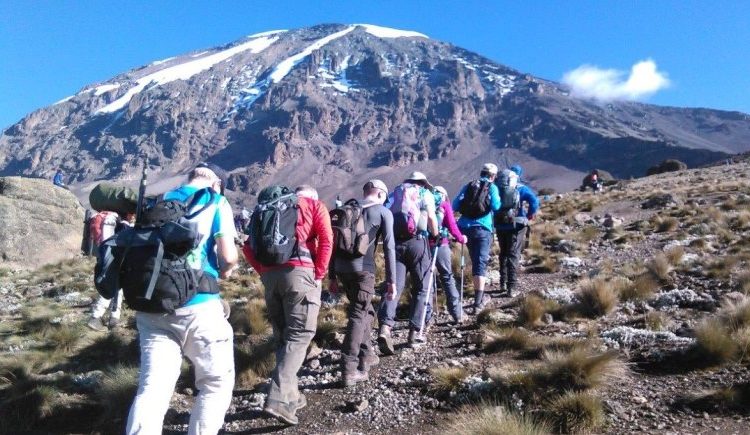
The day begins with the famous Barranco Wall—a steep but non-technical scramble. It may look intimidating, but with guidance, it is manageable and even enjoyable.
After reaching the top, the trail continues through ridges and valleys, passing Karanga Valley before heading to Barafu Camp.
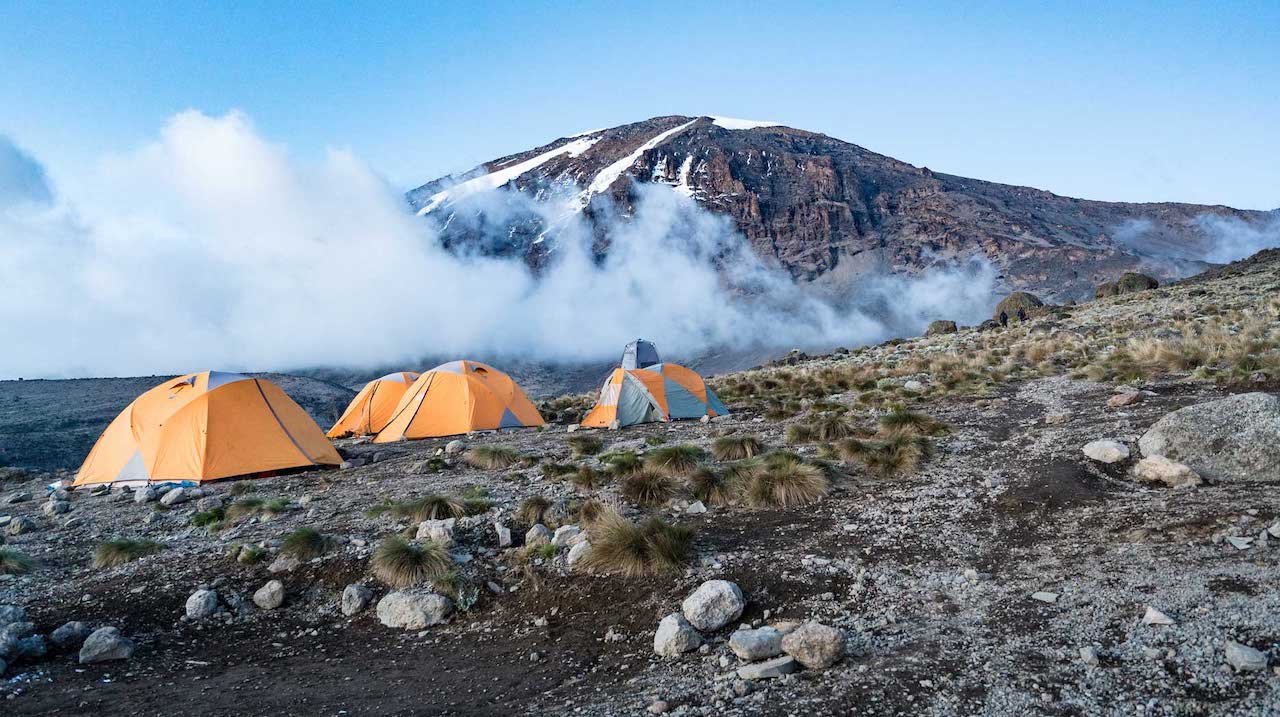
The environment here is harsh and exposed, with strong winds and rocky terrain. Upon arrival, you rest, eat an early dinner, and prepare for the summit attempt. Sleep is short as you’ll wake around midnight.
Day 6: Barafu Camp → Uhuru Peak (5,895m) → Mweka Gate (1,640m)
Distance: 22 km | 12–15 hours
Habitat: Arctic → Rainforest
Summit night begins in darkness and cold conditions. The climb is slow and steady, requiring determination and mental strength.
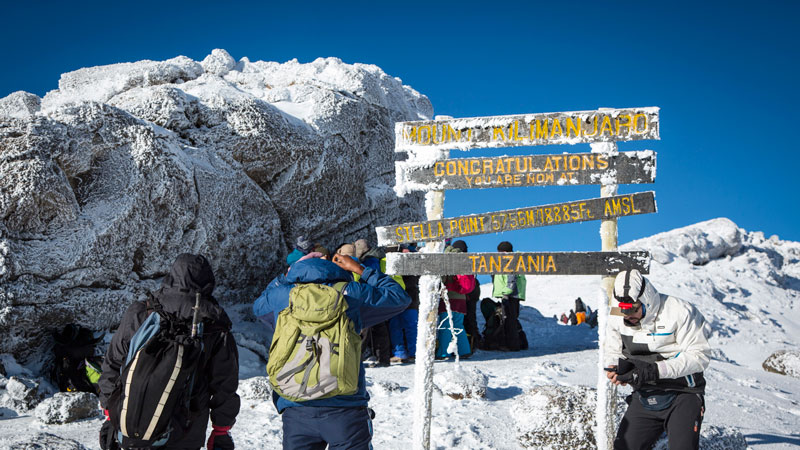
As dawn approaches, you reach Stella Point, then continue along the crater rim to Uhuru Peak—the highest point in Africa. The sunrise over the glaciers is unforgettable.
After celebrating, you descend carefully back to Barafu Camp for a short rest, then continue down through moorland and rainforest to Mweka Gate.
This is the longest and most challenging day, but also the most rewarding.
✔ Time-Saving – Ideal if you have limited time to climb Mount Kilimanjaro
✔ More Challenging – Faster ascent for experienced and fit trekkers
✔ Lower Cost – Fewer days reduce park fees and overall expenses
✔ Adventure-Focused – Perfect for those seeking a more intense and fast-paced climb
⚠️ Note: Less acclimatization → lower summit success rate
👉 Best for: Experienced climbers and strong hikers comfortable with altitude